Global Demand for Merino Wool Surges Across Fashion & Sport
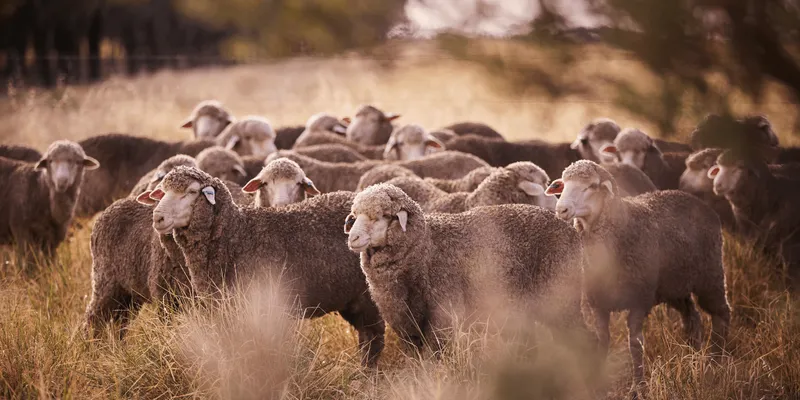
Merino Wool’s Popularity Accelerates Amid Sustainability Shift
Global preference for natural, high-performance fibres is driving record demand for Merino wool. With major fashion houses, sports brands and conscious consumers embracing its comfort, durability and eco-benefits, Merino is reshaping the future of apparel.
Merino wool is witnessing a major surge in global popularity, from high-fashion runways to everyday wardrobes. Consumers worldwide are increasingly moving away from synthetic materials and gravitating toward natural fibres that balance comfort, performance, and sustainability.
Image: Huckberry Proof 72-Hour Merino collection
Over the past month, the Australian wool market has recorded its steepest price jump in three decades, adding further momentum across the value chain. Analysts attribute this rise to tightened inventories, authentic consumer demand, and renewed confidence among supply chain players. The Eastern Market Indicator (EMI), Australia’s key wool benchmark, rose by 109 cents to reach 1,453 cents per kilogram — its highest since mid-2022 — reaffirming that this upswing is demand-driven and not merely a result of limited supply. Woolmark confirms that this revival is anchored in genuine and sustainable demand.
A global IPSOS survey highlights wool’s strong appeal, ranking it among the top three preferred fabrics for both fashion and athletic wear. The fibre’s market valuation is on track to nearly double, increasing from USD $34.9 billion in 2022 to an estimated $63.2 billion by 2033. Building on this upward trend, Woolmark is partnering with influential figures across fashion, sports, and wellness to boost awareness of wool’s natural performance strengths, amplifying a movement already gaining pace.
Moving Toward Timeless, Quality Wardrobes
This season showcases a growing shift toward “fewer, better pieces,” with style leaders embracing Merino wool for its softness, longevity, and biodegradability — qualities that reflect fashion’s original foundation in natural fibres.
- In 1973, 75% of global clothing was made from natural fibres. Today, nearly 70% comes from fossil-fuel-based synthetics.
(Changing Markets “Fossil Fashion: The Hidden Reliance of Fast Fashion on Fossil Fuels,” 2023) - According to Cotton Incorporated’s 2021 Global Sustainability Survey, 91% of consumers believe the best garments are made from all-natural fibres.
- Luxury consumers increasingly prioritise verified sustainability claims: 68% actively seek third-party certifications, with certified Merino achieving a 15–30% premium globally.
(PM Market Research, 2023) - Wool garments are three times more likely to be donated than other fibres, reflecting their durability and long-lasting value (Nielsen Wardrobe Study, 2019).
- Wool has returned prominently to Spring/Summer 2027 collections from leading houses including Thom Browne, Chanel, Dior, Balenciaga, Victoria Beckham, Givenchy, and Celine.
Merino Wool: A Performance Fibre for Modern Sport & Wellness
Beyond luxury fashion, Merino wool is gaining attention in sports and wellness circles. Fitness influencers and wellness communities on social media are spotlighting the fibre’s inherent ability to regulate temperature, resist odour, and provide all-season comfort. Major sports brands — including On, Salomon, Tracksmith, Ciele, Patagoni, Lululemon, and The North Face — have launched collections rich in Merino wool, re-establishing it as a high-performance fibre suitable year-round.
- The 2024 Global Consumer Survey by IPSOS found that consumers prioritise breathability, comfort, lightness, and durability in sportswear — all core qualities of Merino wool. Respondents also perceived wool as a premium, eco-friendly fibre worth paying more for.
- A four-year North Carolina State University study showed that 100% Merino base-layers deliver 96% better thermal comfort and moisture buffering than polyester.
- At the US Open, Venus Williams wore a Merino wool ensemble designed by LUAR, reinforcing the fibre’s role in elite athletic performance.
A Natural, Future-Ready Alternative
Younger consumers — especially Gen Z and Millennials — are rejecting synthetics as they increasingly value wellness, sustainability, mindful living, and transparency. On platforms like TikTok, eco-influencers and sustainable fashion communities are positioning Merino wool not just as a fabric, but as a responsible lifestyle choice.
- Merino wool is 100% natural, renewable, biodegradable, and the most recycled apparel fibre globally.
- Brands including The North Face, Under Armour, Mizuno, Ciele, and Huckberry are incorporating Merino wool into their A/W 25/26 lines.
- Online sales of premium wool products surged 34% year-on-year in 2023, according to AWI Market Intelligence.
- At the 2025 Future Fabrics Expo, 43% of industry voters identified circular fashion as the sector’s biggest opportunity — with wool playing a pivotal role.
- A Norwegian study showed strong consumer preference for natural fibres: 72% favoured wool and 63% preferred cotton over synthetics.
(Fibers: Perspectives on Natural Fibers' Competitiveness and Sustainability, 2025)
Wool: The Fibre That Performs Naturally
“As citizens demand more from what they wear — comfort, performance, traceability, and responsibility — Merino wool is meeting the moment,” said Woolmark Managing Director John Roberts. “With leading influencers and brands alike embracing its story, it’s no surprise demand is rising across luxury fashion, sportswear and lifestyle. It’s the fibre that truly delivers, naturally.”