Global CCUS Market to Reach $17.75 Billion by 2030
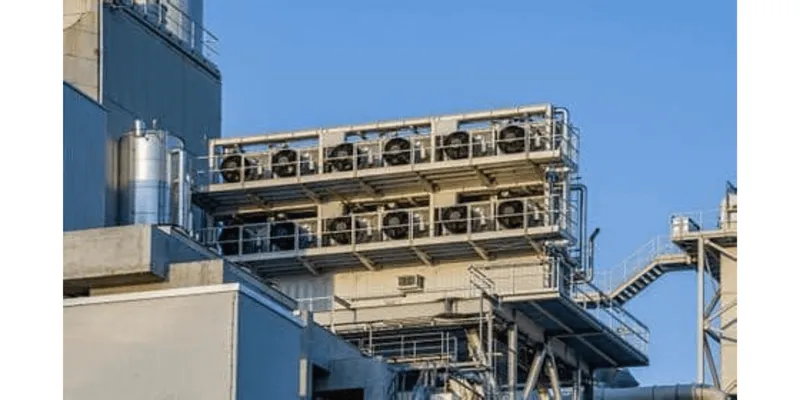
Rising collaborations and large-scale projects fuel CCUS growth worldwide
The CCUS market is set for rapid expansion as new partnerships, expanding project pipelines, and major hydrogen initiatives accelerate global adoption of carbon reduction technologies.
The global Carbon Capture, Utilization and Storage (CCUS) market is poised for substantial expansion, with the latest report projecting the industry to grow from USD 5.82 billion in 2025 to USD 17.75 billion by 2030, reflecting a robust CAGR of 25.0%. Growth is being propelled by strong participation from both established and emerging players, along with increased R&D initiatives across major regions.
Key Market Participants
Leading companies shaping the CCUS landscape include:
- Fluor Corporation (US)
- Exxon Mobil Corporation (US)
- Linde plc (UK)
- Shell Plc (UK)
- Mitsubishi Heavy Industries, Ltd. (Japan)
- JGC Holdings Corporation (Japan)
- And several other global innovators
Market Dynamics
Driver: Expanding Partnerships & Collaboration Across the Industry
With new CCUS facilities coming online each year, confidence in the technology continues to rise. Hundreds of capture projects are now in the pipeline—spanning natural gas processing units, cement plants, hydrogen hubs, and direct air capture sites.
This momentum is pushing the industry toward significant milestones:
- Over 50 million tonnes (55.11 million tons) of annual CO₂ capture capacity currently in operation
- Targeting more than 400 million tonnes (440.9 million tons) by 2030
- Planned storage projects offering ~670 million tonnes (738.5 million tons) of underground capacity—a 10% increase from last year
Restraint: High Cost of Capture & Sequestration
Investment-heavy infrastructure and advanced technologies drive up overall project costs.
Opportunity: Surge in Large-Scale Hydrogen Project Announcements
Hydrogen hubs integrating CCUS tech present powerful commercial pathways.
Challenge: High Upfront Capital Requirements
Early-stage costs remain a significant barrier, especially for new entrants.