Global Abaya Market Projected to Reach $5.7 Billion by 2033, Driven by Growth in Modest Fashion
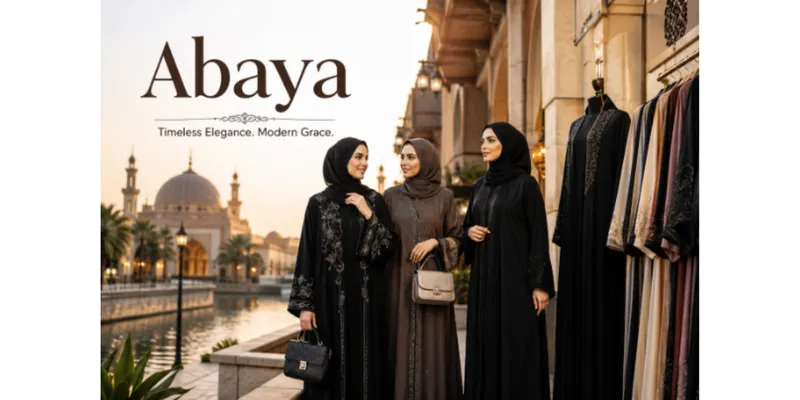
Expanding consumer demand, digital retail adoption, and product innovation support long-term market growth
The global abaya market is projected to grow from $3.2 billion in 2024 to $5.7 billion by 2033, registering a CAGR of 6.4% during the forecast period of 2025–2033, according to Research Intelo. Market growth is supported by the increasing combination of traditional clothing with contemporary fashion trends, along with rising consumer demand for modest fashion across multiple regions.
Global Abaya Market Outlook
According to Research Intelo, the Global Abaya Market was valued at $3.2 billion in 2024 and is expected to reach $5.7 billion by 2033, expanding at a CAGR of 6.4% between 2025 and 2033.
The market is being driven by the growing integration of traditional attire with modern fashion trends, which has expanded the appeal of abayas beyond traditional markets. The influence of social media, celebrity endorsements, and fashion designers introducing new collections has also contributed to market growth. Increasing purchasing power and changing fashion preferences among young women in the Middle East, Asia Pacific, and Western countries have further supported demand.
Abaya Market Evolution
The abaya market has developed from a niche segment rooted in cultural tradition into an important category within the global modest fashion industry. Originally recognized as a traditional outer garment worn across the Middle East, the abaya is now positioned across categories including everyday wear, professional clothing, luxury collections, bridal fashion, travel apparel, and designer couture.
Manufacturers, designers, textile companies, online retailers, and apparel brands continue to introduce new collections featuring different fabrics, tailoring techniques, embroidery, and customization options.
What Is an Abaya?
An abaya is a long, flowing outer garment traditionally worn by women in many Islamic cultures. While black has historically been the most common colour, current collections include a broader range of colours, textures, embellishments, and tailoring styles.
The garment is now available for multiple use cases, including daily wear, workplace clothing, formal occasions, travel, bridal collections, and luxury fashion.
Key Market Growth Drivers
Growing acceptance of modest fashion
Increasing demand for clothing that combines comfort, cultural identity, and contemporary styling continues to support market expansion. Fashion brands are introducing collections aimed at consumers seeking modest apparel across multiple markets.
Social media platforms have also increased global visibility through fashion influencers, designers, and digital creators showcasing contemporary abaya styles.
Higher consumer purchasing power
Economic growth across several emerging markets has increased spending on premium apparel. Luxury abayas featuring high-quality fabrics, embroidery, hand embellishments, and exclusive designs are witnessing growing demand.
Many consumers now consider premium abayas as long-term wardrobe purchases.
Expansion of digital commerce
Online retail has expanded access to abaya collections through international e-commerce platforms. Digital storefronts, virtual fitting technologies, personalized recommendations, secure payment systems, and international shipping have enabled consumers to purchase products across geographical boundaries.
Digital-first business models have also enabled independent designers to compete alongside established fashion brands.
Emerging Industry Trends
Contemporary minimalist designs
Demand is increasing for clean silhouettes featuring neutral colours, lightweight fabrics, simple detailing, and versatile styling suitable for professional, casual, and formal occasions.
Sustainability initiatives
Manufacturers are incorporating organic cotton, recycled fibres, biodegradable fabrics, and environmentally responsible dyeing processes into production as environmental considerations become increasingly important.
Consumers are also evaluating products based on ethical manufacturing practices and environmental impact.
Smart textile applications
Advances in textile technology are supporting the use of wrinkle-resistant fabrics, breathable materials, moisture-management technology, lightweight textiles, and UV-protective fibres designed to improve comfort and functionality.
These developments are particularly relevant for consumers in warmer climates and for travel applications.
Customization services
Many brands now provide customization options including embroidery, fabric selection, sleeve styles, colour combinations, sizing, and personalized embellishments.
Personalized offerings allow consumers to maintain traditional styles while selecting designs suited to individual preferences.
Market Segmentation
By Product Type
The market includes traditional abayas, open-front designs, luxury collections, embroidered styles, casual wear, formal garments, designer couture, travel-friendly products, and seasonal collections.
By Fabric
Manufacturers use crepe, chiffon, silk, linen blends, satin, cotton, georgette, jersey fabrics, premium polyester blends, and eco-friendly textiles.
By Distribution Channel
Products are sold through boutiques, department stores, designer showrooms, specialty modest fashion retailers, brand-owned websites, online marketplaces, social commerce platforms, and mobile shopping applications.
Omnichannel retail strategies continue to expand as consumers increasingly use both online and offline purchasing channels.
Changing Consumer Preferences
Consumers are placing greater emphasis on comfort, durability, sustainability, ethical sourcing, product quality, ease of maintenance, and versatile styling.
Brands are also focusing on transparency, craftsmanship, cultural heritage, and inclusive product offerings as part of their market positioning.
Technology Supporting Market Development
Artificial intelligence is being applied for demand forecasting and personalized recommendations, while data analytics assists companies in understanding consumer behaviour.
Digital design software, automated manufacturing, virtual showrooms, augmented reality experiences, and interactive online catalogues are also being adopted across the value chain.
Market Challenges
The market continues to face challenges including rising raw material costs, changing consumer preferences, counterfeit products, supply chain disruptions, and increasing competition.
Manufacturers are also balancing traditional design elements with modern fashion while maintaining authenticity and cultural sensitivity.
Competitive Landscape
Key companies operating in the market include:
- Alhannah Islamic Clothing
- SHUKR Islamic Clothing
- Modanisa
- East Essence
- Aab Collection
- Annah Hariri
- Haute Elan
- AbayaTopia
- Dian Pelangi
- Inayah
- The Abaya Company
- Mushkiya
- Niswa Fashion
- Sefamerve
- Louella
- Hijab House
- Baraka
Future Outlook
According to Research Intelo, the future of the abaya market is expected to be influenced by innovation, sustainability, digital transformation, and broader global adoption of modest fashion. Companies focusing on responsible manufacturing, product quality, customization, and continued design development are expected to remain active participants as the market evolves.