Gandhi Shilp Bazaar 2026 Opens in Itanagar to Showcase Northeast India’s Handloom and Handicraft Heritage
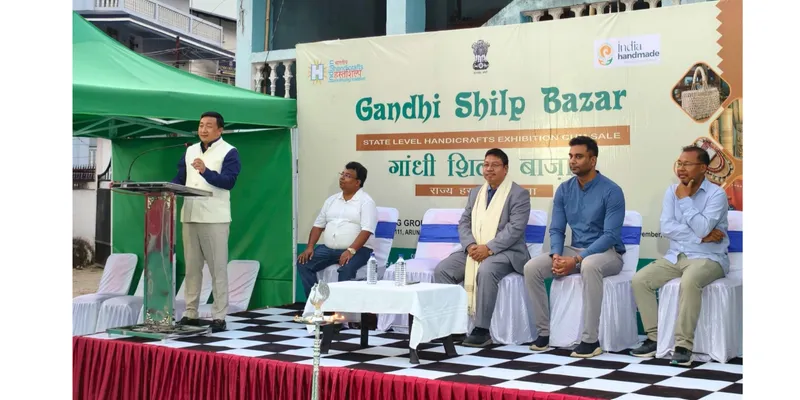
Ten-day exhibition features 56 stalls, providing artisans and weavers with opportunities to display traditional products and reach wider markets
Gandhi Shilp Bazaar 2026 has opened at Mopin Solung Ground, Itanagar, showcasing the handloom, handicraft and cultural heritage of Northeast India. Organised by the North Eastern Handicrafts and Handlooms Development Corporation Ltd. (NEHHDC), in association with the Office of the Development Commissioner (Handicrafts), Ministry of Textiles, Government of India, the ten-day event will continue until 2 November 2026.
The inauguration was attended by Shri Mara Kocho, Managing Director, NEHHDC; Shri Hara Kanta Baro, Regional Director (North Eastern Region), Office of the Development Commissioner (Handicrafts); and the Senior Assistant Director of the Handicrafts Service Centre, Itanagar.
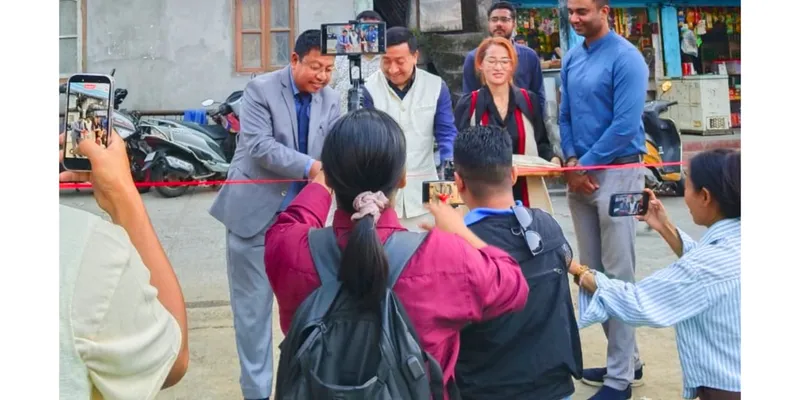
The Itanagar edition features 56 stalls, bringing together traditional handloom products, handicrafts and handmade items that reflect the region’s cultural diversity and traditional livelihoods.
Showcasing the Living Heritage of Northeast India
Arunachal Pradesh and the wider Northeast region are home to diverse traditional textiles, indigenous crafts, handwoven products and artistic practices shaped by the knowledge and skills of local communities. These traditions have been preserved and passed down through generations.
Gandhi Shilp Bazaar provides a common platform for artisans and craftspersons to display their work, connect with consumers and introduce traditional products to a wider audience. Visitors can explore different craft traditions, discover handmade products and learn about the techniques and cultural knowledge behind them.
The initiative also aims to increase public awareness of the artisans and communities that continue to sustain the region’s traditional craftsmanship.
Expanding Market Opportunities for Artisans and Weavers
A key focus of the bazaar is to help artisans and weavers present their creations directly to consumers and potential buyers. Access to new markets and greater visibility beyond their immediate communities can support craftspersons in sustaining their livelihoods and developing their businesses.
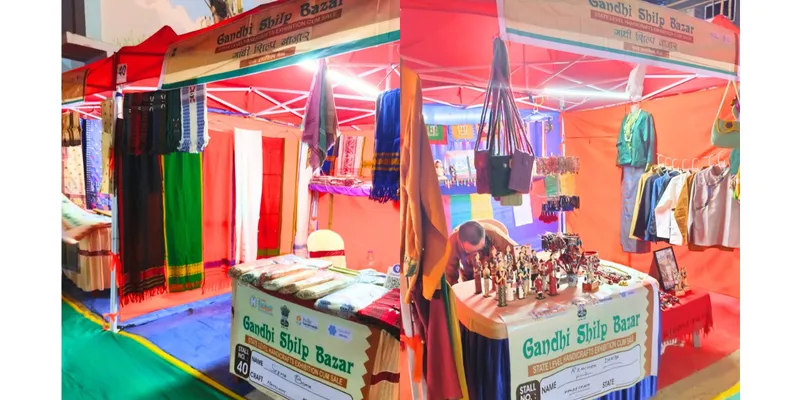
The participation of artisans from across the region highlights the range of artistic styles, materials and traditional practices found throughout Northeast India. The exhibition offers visitors an opportunity to explore this diversity while supporting the people who produce these goods.
Preserving Cultural Identity Through Traditional Crafts
Handlooms and handicrafts reflect more than functional products. They carry the stories, artistic expressions, techniques and cultural knowledge of the communities that create them. Preserving these practices is closely connected to maintaining the region’s cultural heritage and identity.
Greater market access can encourage artisans to continue traditional practices, develop their product offerings and pass their skills on to future generations. Initiatives such as Gandhi Shilp Bazaar also create opportunities for traditional craftsmanship to contribute to livelihoods, entrepreneurship and economic activity within artisan communities.
The exhibition brings these cultural and commercial aspects together, offering a platform for the public to appreciate the region’s handmade products and the skills involved in their creation.