From Yarn to Carbon Neutrality: Durai Palanisamy on Pallava Textiles' Vision for 2035
-2-800x400.webp?2026-02-24T20:39:46.381Z)
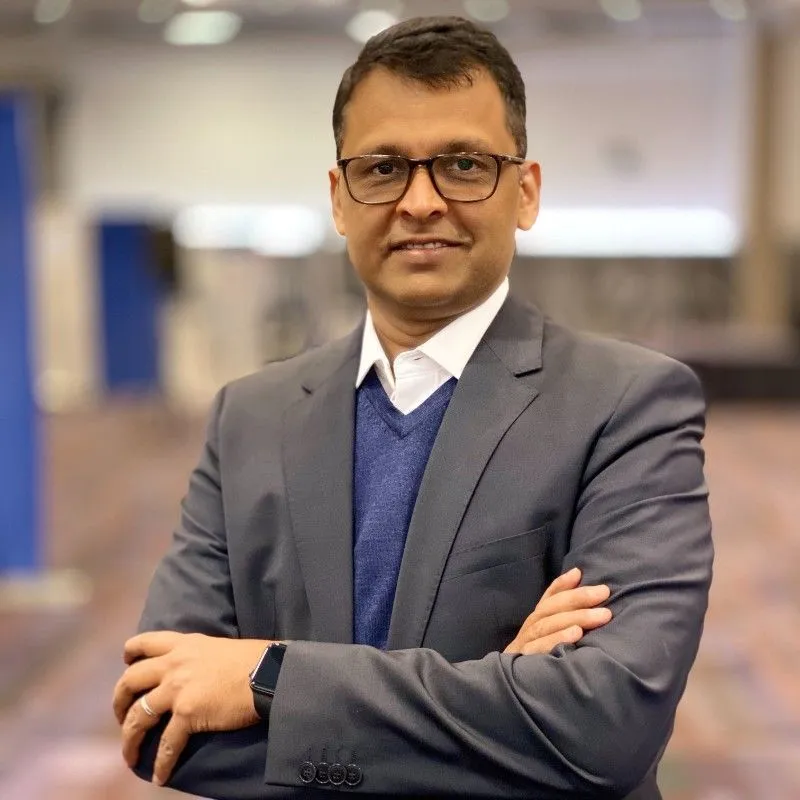
Mr Durai Palanisamy
Executive Director,
Pallava Textiles Private Limited
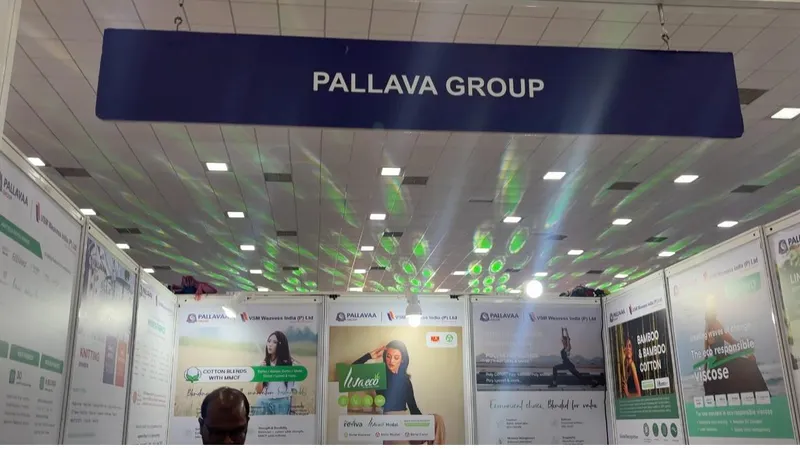
The TVC Media Team had the privilege of speaking with Mr Durai Palanisamy, Executive Director of Pallava Textiles Private Limited. As a leader in man-made cellulose textiles, Pallava Textiles operates across the entire value chain—from yarn manufacturing to woven and knitted fabrics. In this insightful conversation, Mr Palanisamy shares his perspectives on innovation, sustainability, the challenges facing India's textile industry, and his company's ambitious plans for the future.
Could you introduce yourself and tell us about Pallava Textiles and your product range?
We are a man-made cellulose value chain partner. We manufacture yarns and fabrics, and operate in both woven and knit segments. Our capacity per day includes approximately 400 tons of yarn, 650,000 meters of woven fabric, and 30 tons of knitted fabrics. We produce anything in man-made cellulose and its blends.
What innovations is Pallava bringing to India in 2026?
Innovation isn't just about products—we focus significantly on process innovation and cost structure optimisation. Our goal is to become a more efficient manufacturer and value chain partner through improvements in our processes and cost management.
What changes and developments have you observed in textiles and sustainability over the past three to five years?
Sustainability has become critically important for doing business with major brands and retailers. We've taken this very seriously as one of our key unique selling propositions. We are a supply chain partner for all leading global brands and retailers, and sustainability is central to our value proposition. Currently, we are registering with the Science Based Targets initiative with the goal of becoming carbon neutral by 2035.
Many international brands operate in India, yet Indian brands struggle to grow internationally. What challenges does India face in expanding globally?
I don't see major challenges for growth nationally. However, suppliers focused on exports are generally better prepared to handle international customers, while domestic-focused companies are more aligned with the domestic value chain. The needs of export and domestic industries differ significantly—in terms of lead times, product quality, pricing, and unique selling points. A domestic player might find it challenging to transition into the export value chain, and vice versa. The key is understanding what customers want in terms of lead time, quality, and pricing.
What role should the government play in supporting the textile industry?
The most important role is improving the ease of doing business. When businesses expand or grow, they need to interact with the government for approvals and permits. The government needs to facilitate this process. Tamil Nadu is an excellent example—they work closely with businesses and investors to improve ease of doing business. Additionally, creating common infrastructure is crucial. MSMEs cannot do everything that large companies can, so the government can help by creating shared infrastructure, training facilities, and worker amenities.
What role does digitalisation play in your design, manufacturing, and supply chain operations?
Digitalisation is critical in today's business environment. One key to success is being close to the customer and as responsive as they need us to be. Digitalisation is a vital tool that enables us to provide a fantastic customer experience and keep pace with customer and market demands. It's essential for enabling modern business operations.
How does Pallava invest in R&D and new textile technologies? How do you stay ahead of industry trends?
We take R&D very seriously. It helps us understand customer needs and create new products and innovations. We invest significant capital in R&D—creating smaller sampling capacities, establishing innovation centers, and training our people. This investment is essential for staying competitive and responsive to market needs.
If you were in charge of government textile policy, what would be the first changes you would implement?
I would focus on the areas we discussed—improving ease of business and understanding what the industry needs. At the Textile Summit 360, there were extensive discussions about efficiency improvements. Different sectors within textiles face different challenges. Power loom, spinning, processing, and garment industries each have unique issues. For example, the garment industry's primary challenge is skilled manpower—how to bring in, train, and retain skilled workers. We need to understand each sector's specific challenges and address them accordingly.
Indian products like Kolhapuri chappals are gaining international recognition. However, some Made in India products don't receive proper credit globally. What products do you think exemplify this issue?
India is incredibly diverse. Products like Kolhapuri chappals, Banarasi sarees, Kanchipuram sarees, and handicrafts from Rajasthan are very unique. There's good global demand for these products—we just need to brand them properly and take them to the world. I'm confident the government is working on such initiatives.
It's 2026, yet Indian artisans and brands still lag in branding compared to international names like Levi's and Gap. Why haven't Indian products achieved similar global recognition?
That's a good question. We are very weak in branding—it's not our strongest point, though we excel at manufacturing. However, the government has recognized this gap and wants to build brands out of India. I'm confident they're working on this actively.
How does Pallava manage employment and employee welfare?
We treat our people like family. We call ourselves the Pallava family—I think that sums up our approach to employee care and welfare.
What are Pallava's future plans and vision?
Currently, we focus on greige fabrics, but our next step is moving into processed fabrics. We're looking to invest in the PLI scheme for processed fabric manufacturing. Eventually, we may even enter the garment industry.
How was your experience at the event today?
Awesome. There were many great discussions today. It's excellent for the Tamil Nadu textile industry.
Do you have any message for our viewers and readers?
Focus on your job. Fundamentally, we are our own competitors. When we try to improve ourselves, we get better day by day. Just try to do a good job every day.