From Stitch to Scale: Manufacturing Strategies That Help Athleisure Brands Grow
-2-800x1201.webp?2026-07-28T07:39:34.642Z)
-Arjun Gupta, Founder & CEO, KragBuzz Sports
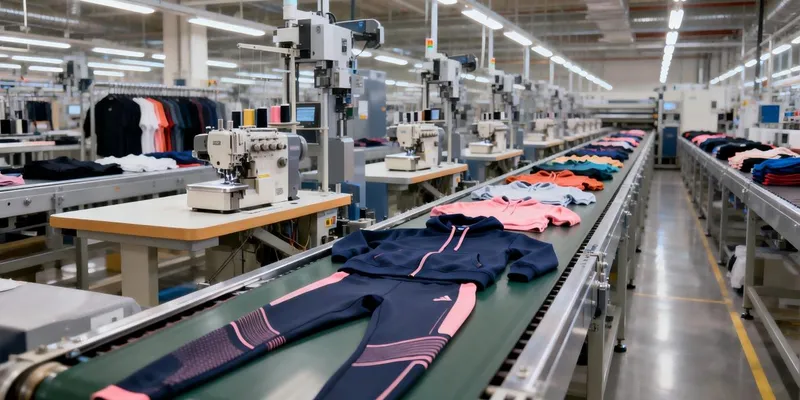
In athleisure, a good design may get attention, but manufacturing decides whether a brand can actually grow. When consumers expect better fits, faster launches and products that can move from the gym to everyday life, the factory floor becomes just as important as the designing department.
India already has a strong manufacturing base to build on. The country’s textile and apparel sector employs more than 45 million people, while in FY25-26, the ready-made garments industry accounted for around 45% of the textile and apparel export of the country. The government is also pushing domestic manufacturing through initiatives such as the PLI scheme for textiles.
For India’s growing athleisure brands, the next challenge is to turn this manufacturing strength into a genuine competitive edge
The Right Manufacturing Model Matters
Athleisure is not a category where one product works for everyone. Brands need different fabrics, fits, colours and performance features depending on the consumer and use case.
For emerging brands, flexible manufacturing models can help them test new designs without taking on unnecessary inventory risks. Smaller production runs, private-label manufacturing and customised production can allow brands to understand what consumers actually want before scaling up.
This approach is especially useful in a market where trends can change quickly.
Speed Is Becoming a Business Advantage
The fashion consumer today does not want to wait for months for a new trend to reach the market. This is pushing brands to rethink the traditional production cycle.
A more responsive supply chain can help brands move faster, from picking up a trend to designing, producing and selling the product. Better coordination between design, sourcing, and manufacturing can also reduce excess inventory and improve stock availability.
For an athleisure brand, speed is no longer only about launching quickly. It is about producing the right product at the right time.
Performance Starts With the Fabric
The biggest difference between regular casualwear and athleisure often comes down to the details consumers may not immediately see.
Breathable fabrics, stretch, moisture management and lightweight construction can make a product more comfortable for long hours of wear. And since athleisure becomes part of everyday wardrobes, brands need to pay attention to pieces that deliver both performance and style. This is where the manufacturing decisions really influence the whole customer experience
Local Manufacturing Can Help Brands Stay Flexible
India's manufacturing ecosystem gives homegrown brands an opportunity to build closer relationships with suppliers and respond faster to shifting demand. And since the textile and apparel industry is a big contributor to India’s economy and employs millions of people, the base is already strong.
However, the real opportunity lies in improving quality, technology, production efficiency and supply-chain coordination.
From Factory Floor to Brand Story
For today's athleisure brands, manufacturing is no longer something that happens quietly behind the scenes. It can influence everything from pricing and product quality to launch speed and customer trust.
The brands that understand this connection will be better placed to grow. The future of Indian athleisure may not be decided only by who has the biggest marketing budget, but by who can build a smarter, faster and more flexible manufacturing engine.
In the end, scaling an athleisure brand is not simply about making more clothes. It is about building the right product, at the right quality, at the right time and having a manufacturing strategy strong enough to keep up with the consumer.