From Make in India to Made for the World: Mr. Madhu Sudan Dadu Shares ColorJet’s Vision
-800x1146.webp?2026-07-11T08:05:19.776Z)
Mr. Madhu Sudan Dadu
Chairman,
ColorJet Group
The TVC Media team had the privilege to speak with Mr. Madhu Sudan Dadu, Chairman of ColorJet Group, for this exclusive corporate interview. A visionary leader and first-generation entrepreneur, Mr. Dadu has been at the helm of ColorJet since 1995. Graduating as an engineer from BITS Pilani, he is affectionately known as “Dadu” and is widely respected for his passion for innovation and engineering excellence. Under his leadership, ColorJet has grown into India’s largest manufacturer of digital textile inkjet printers, earning global acclaim for its contributions to the textile and signage printing industry, including prestigious awards such as the State Export Award.
How has ColorJet’s pigment-based printing and EARTH series helped reduce water consumption and environmental impact compared to traditional textile printing?
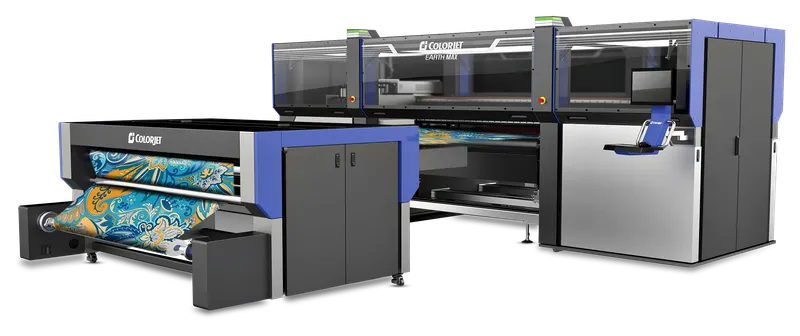
Sustainability is no longer a choice for the textile industry; it is an imperative. Traditional textile printing processes are extremely resource-intensive, consuming significant amounts of water, chemicals, and energy. At ColorJet, we recognized this challenge early and invested heavily in pigment-based digital printing technologies, and offers a series of sustainable textile printers.
Pigment printing significantly reduces water consumption because it eliminates multiple washing and steaming stages associated with conventional reactive printing. Depending on the application, manufacturers can achieve up to 98% reduction in water usage and substantial savings in energy consumption and chemical discharge.
Our EARTH series was specifically designed to enable textile manufacturers to transition towards more sustainable production without compromising on quality or productivity. We are already witnessing growing adoption among manufacturers serving global fashion and home furnishing brands that are increasingly demanding environmentally responsible supply chains.
Beyond environmental benefits, customers have reported shorter production cycles, reduced inventory requirements, and improved operational efficiency. Sustainability, in this case, is proving to be good not only for the planet but also for business efficiency.
What are ColorJet’s main initiatives in sustainable digital printing, and how do they support your motto of giving back to the ecosystem?
At ColorJet, sustainability is embedded into our innovation philosophy rather than treated as a separate initiative. Our commitment to "giving back to the ecosystem" drives every stage of product development.
Our key initiatives include the development of water-saving pigment technologies, energy-efficient high production printers, reduced chemical consumption processes, and solutions that support on-demand manufacturing to minimize textile waste. We are also continuously redefining conventional processing methods to ensure compliance with global environmental regulations and certifications.
Digital printing itself is inherently more sustainable because it allows manufacturers to produce only what is required, thereby reducing overproduction and dead inventory, a major challenge seen in conventional techniques.
We believe that technology companies have a responsibility to create solutions that enable sustainable industrial growth. For us, innovation and environmental stewardship must go hand in hand.
What key engineering advancements have enabled ColorJet to offer high-speed, precise, and versatile digital textile printing solutions?
The digital textile industry has evolved rapidly over the past decade, and engineering excellence has been at the heart of this transformation.
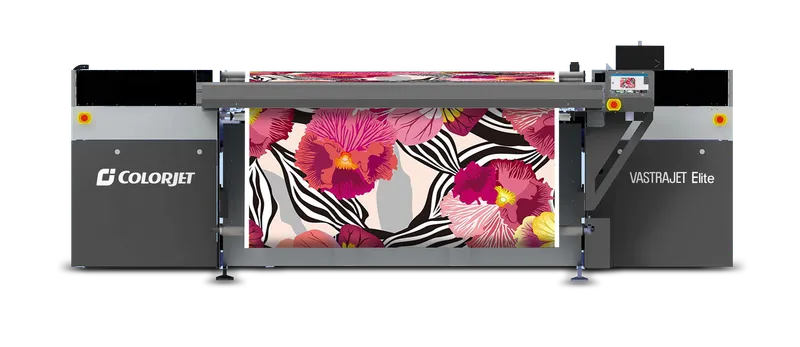
At ColorJet, our focus has been on developing robust print engines, intelligent ink delivery systems, advanced motion control technologies, and sophisticated software algorithms that ensure precision even at high production speeds.
We have invested significantly in print head management technologies, ink chemistries, cleaning stations, color management systems, and fabric-handling mechanisms to ensure consistency across substrates such as cotton, polyester, silk, blends, and technical textiles.
Our engineering teams work closely with customers to understand production challenges in real-world environments, and this customer-centric approach has enabled us to design solutions that deliver industrial reliability while maintaining exceptional print quality.
What is your vision for the next 5–10 years in digital textile printing, and how will emerging technologies shape the industry?
The next decade will redefine textile manufacturing globally.
I believe digital textile printing will move from being an alternative production method to becoming the mainstream manufacturing process for a large segment of the industry. Sustainability regulations, shorter fashion cycles, customization, and near-shoring of production will accelerate this transition.
Technologies such as Artificial Intelligence, machine learning, predictive maintenance, automation, robotics, and smart manufacturing systems will become integral to textile production facilities.
At ColorJet, our product roadmap is increasingly aligned with Industry 4.0 principles. We are investing in intelligent machines capable of self-diagnostics, remote monitoring, production analytics, and workflow automation.
The textile factory of the future will be data-driven, sustainable, and highly agile, and we intend to remain at the forefront of this transformation.
ColorJet emphasizes "Made in India, Made for the World." How do you see the company's role evolving in supporting global textile supply chains?
Global supply chains are undergoing a significant transformation. Brands today are looking for manufacturing partners that can offer speed, flexibility, localization, and sustainability.
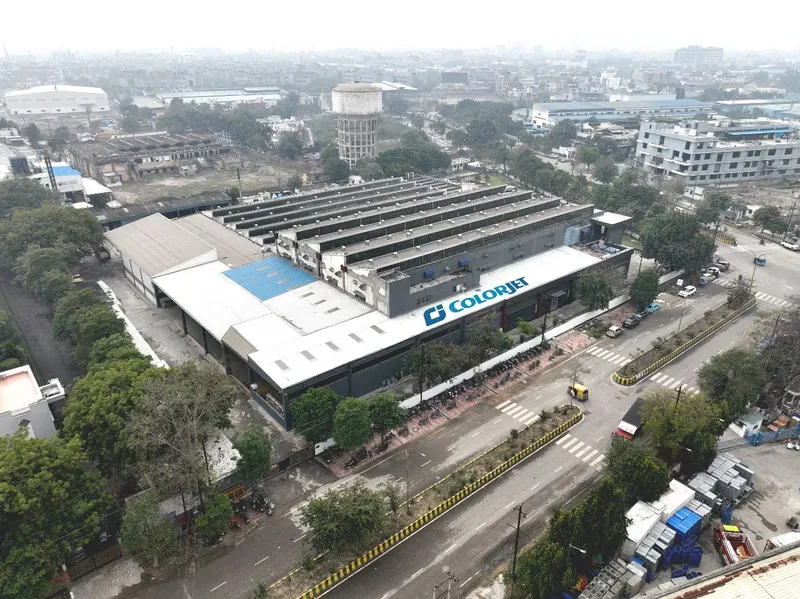
India has a tremendous opportunity to emerge as a global textile manufacturing hub, and ColorJet aims to play a critical enabling role in this journey.
Our "Made in India, Made for the World" philosophy reflects our belief that Indian engineering can compete successfully on the global stage. Today, ColorJet technologies are helping manufacturers across multiple countries improve responsiveness, reduce lead times, and produce closer to consumption markets.
As global brands shift towards regional manufacturing models and demand-driven production, digital technologies will become indispensable, and ColorJet intends to be a strategic partner in this transition.
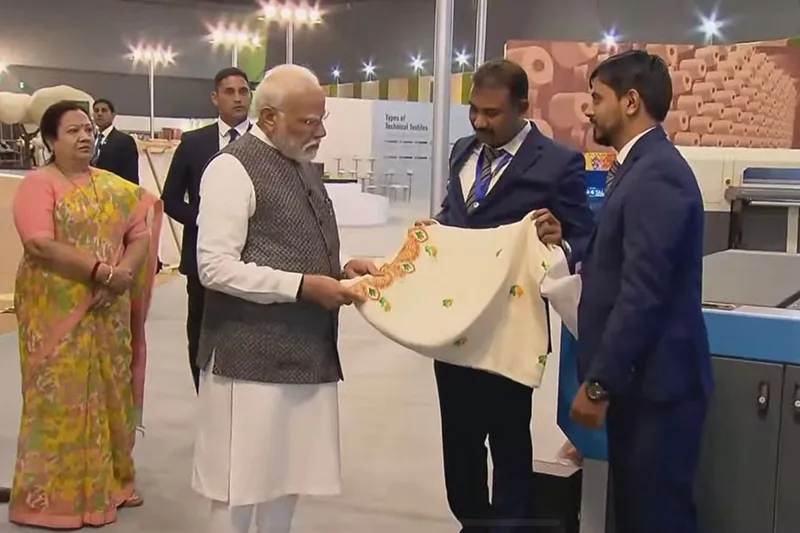
Honourable PM Narendra Modi Applauds ColorJet 'Made in India' Technological Advancement
What current trends are you observing in the global and Indian textile printing market, and how is ColorJet positioned to capitalize on them?
Three major trends are reshaping the industry globally: digital adoption, customization, and sustainability.
Brands are increasingly moving towards smaller batch production, personalized products, and faster time-to-market strategies. This is creating a strong business case for digital printing technologies.
In India, we are witnessing rapid growth in home textiles, fashion exports, sportswear, and technical textiles. Simultaneously, government initiatives supporting domestic manufacturing are creating additional opportunities for technology providers.
ColorJet is uniquely positioned because we offer a comprehensive portfolio of solutions that address both domestic and international market requirements. Our strong service network and deep understanding of textile manufacturing ecosystems provide us with a significant competitive advantage.
With thousands of machines installed across many countries, what key market insights or challenges have you gathered from ColorJet's international expansion?
Operating across global markets teaches you one important lesson: that every market is unique, but customer expectations remain universal.
Customers everywhere seek reliability, productivity, print consistency, and responsive service support. However, market maturity, regulatory environments, labor dynamics, and application requirements differ significantly across regions.
One of the biggest challenges during international expansion is building local service capabilities and understanding regional customer requirements. We addressed this by investing in strong partner ecosystems and local support networks.
Our global presence has also reinforced our belief that Indian manufacturing and engineering capabilities are world-class and highly competitive internationally.
How is ColorJet balancing sustainability, technology, and market demands to maintain its leadership in digital textile printing?
For us, sustainability and technological advancement are not competing priorities, rather they are complementary objectives.
Every major innovation we undertake is evaluated not only on performance metrics but also on environmental impact and operational efficiency. This approach has allowed us to develop products that are faster, smarter, and greener simultaneously.
Recent successes include the continued market acceptance of our EARTH series and our growing portfolio of pigment printing solutions designed for sustainable manufacturing.
Looking ahead, we are investing in next-generation digital printing technologies that combine higher productivity with lower environmental footprints, ensuring that our customers remain globally competitive while meeting evolving sustainability requirements.
What advice would you give to textile stakeholders transitioning to sustainable digital printing, and what legacy do you envision for ColorJet?
My advice is simple: embrace change before change forces itself upon you.
The transition towards sustainable digital manufacturing is inevitable. Companies that invest early in technology, skills, and process transformation will emerge as industry leaders in the coming decade.
Technology adoption should not be viewed merely as a capital investment but as a strategic business decision that determines long-term competitiveness.
As for legacy, I hope ColorJet will be remembered not only as a company that built world-class machines but as an organization that transformed India's digital textile printing industry and demonstrated that Indian innovation can lead globally.
If future generations see ColorJet as a catalyst that accelerated sustainability, innovation, and global competitiveness in textiles, I would consider our journey successful.