From Looms to Digital Systems: How HR Tech Is Transforming India’s Textile Industry

Sonali Chowdhry,
CEO, Officenet
India’s textile industry was built by its people. Weavers, loom operators, technicians and supervisors still sit at the centre of the sector. But the scale of the business has changed. Factories are larger, shifts are longer and workforces are more varied. HR practices designed for smaller operations are straining under the weight.
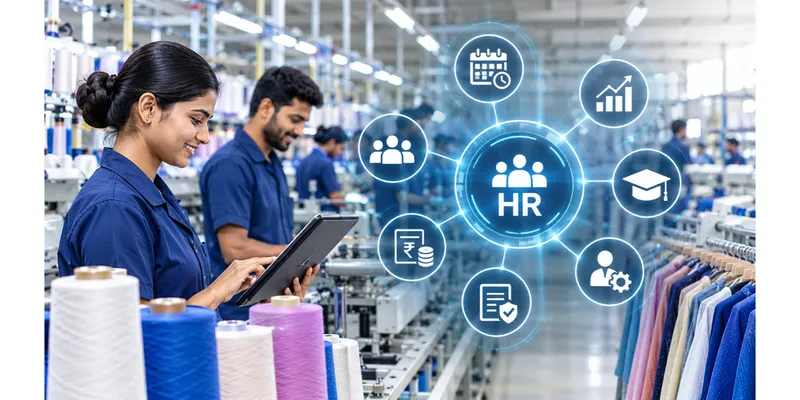
Technology is the fix. Digital HR systems bring order to a function that has long run on manual effort, and their value goes well beyond administration.
Start with the basics. Attendance, leave and payroll are the first processes to move. Automation cuts errors, simplifies wage calculations and frees HR teams for higher-value work. Digital records are easier to access and update. For companies with several units, they also set one standard for managing people across every location. When a supervisor in one plant and a manager in another work from the same information, decisions get faster and fairer.
That consistency makes the next step possible: linking people to performance. Output depends on machines, but it depends just as much on the people who run them. Digital performance systems set clear expectations, run regular appraisals and measure individual contribution. Supervisors get a structured way to give feedback and to spot employees who need support. Good work no longer goes unnoticed, and problems surface before they become losses.
Performance, in turn, rests on skill. Advanced machinery and modern production methods demand workers who keep learning. Digital learning platforms make training organised and accessible. Companies can map skills to roles, find gaps and track progress. The stakes are real, because skill shapes product quality, production consistency and workplace safety. The workforce gets stronger, and employees see a route to grow.
Growth also requires connection. In a large factory, frontline workers often have little access to HR or company information. Self-service platforms close that distance. Employees can view payslips, check leave balances, read policies and receive announcements. Feedback and grievance channels carry their voice back to management. Each change is small. Together they build a more transparent and responsive workplace, and a workforce that trusts its employer is a workforce that stays.
Data ties it all together. Scattered records and periodic reports give way to clear trends in absenteeism, attrition, overtime and availability. That clarity sharpens decisions on recruitment, manpower planning and shift allocation, which matters in an industry where schedules change fast. Leaders can see shortages coming and act before production slows rather than after.
Compliance benefits too. Textile businesses must maintain employee records and meet labour and employment requirements. Organised documentation and simpler processes ease the administrative load and improve accountability. HR teams spend less time chasing paperwork and more time building the workforce.
The result is a different kind of HR. It stops being a back-office department and becomes a partner in productivity, talent and growth.
As India’s textile industry competes for global share, investment in machinery and infrastructure will continue. Investment in the systems that manage and develop people must keep pace. Technology will not replace the experience, craftsmanship and skill that define this industry. It will give them a stronger foundation. That is how textile businesses build a workforce that is organised, efficient and ready for what comes next.