From Heritage to Modernity: How Sojanya Is Shaping India's Ethnic Wear Market
-300x300.webp?2026-07-22T09:56:28.217Z)
By Mr. Keshav Gupta, founder of SOJANYA
India's ethnic wear market isn't what it was five years ago. Once driven almost entirely by weddings and festivals, this category has expanded into everyday wardrobes, workplace celebrations, destination weddings and social occasions. At the same time, consumers have become a lot more design-conscious, digitally savvy and far less willing to compromise on quality.
For brands in the ethnic wear space in India, that has changed the rules of the game.
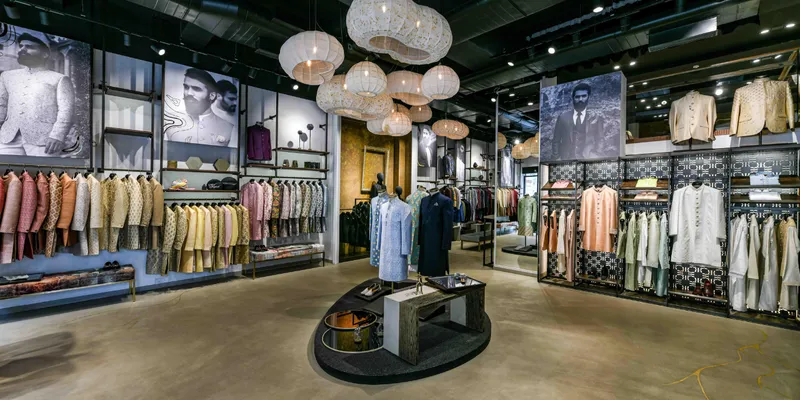
Among the companies riding this shift is Sojanya, a homegrown menswear brand that traces its roots back to a family textile business established in 1958. Over the years, Sojanya as a premium brand has built a strong digital presence across marketplaces while continuing to evolve its product portfolio for modern consumers. In this conversation, Founder Keshav Gupta shares how Sojanya is navigating an increasingly competitive market, the changing expectations of Indian shoppers, and where he believes the ethnic wear industry is headed next.
1. The Indian ethnic wear market has become increasingly competitive over the past few years. How is Sojanya differentiating itself beyond pricing, and what has been the biggest growth lever for the brand?
Price may attract customers, but it doesn't build a brand, that's something we've believed from the beginning.
When Sojanya entered the market, we noticed there was a significant gap between expensive designer labels and basic ethnic wear that lacked contemporary styling. Our objective was to bridge that space by offering well-designed ethnic apparel that remained accessible to a much wider audience.
Over time, our differentiation has come from consistently balancing affordability with quality, design, and reliability. Consumers today expect more than just attractive pricing; they want dependable sizing, good fabrics, modern styling, and a shopping experience they can trust.
One of our biggest growth drivers has undoubtedly been e-commerce. It has allowed us to reach customers across India while giving us valuable insights into buying behaviour, regional preferences, and emerging fashion trends. That data helps us make faster and better product decisions, which, honestly, has become a huge competitive advantage.
2. Consumer expectations around ethnic wear have evolved significantly, especially after the pandemic. What are the biggest shifts you've observed in buying behaviour?
The biggest change is that ethnic wear is no longer reserved for just weddings or festivals.
Consumers today are wearing kurtas, Nehru jackets, and Indo-western styles for office celebrations, family gatherings, festive Fridays, cultural events, and even casual occasions. That has expanded the category in a meaningful way.
We've also seen shoppers become much more informed. They compare designs, read reviews, expect quicker deliveries, and pay close attention to fit and comfort before making a purchase.
Another noticeable trend is the preference for complete outfit solutions rather than buying individual pieces. Coordinated kurta sets and ready-to-style combinations have become increasingly popular because they simplify the buying decision for customers.
3. Online marketplaces have transformed fashion retail in India. How has Sojanya leveraged e-commerce to build a nationwide brand, and what challenges remain?
We've always looked at e-commerce as much more than another sales channel. For us, it became the foundation for scaling the business.
Our focus has been on creating a seamless customer experience from product presentation and photography to inventory management, delivery timelines, and after-sales service. Consistency matters a lot in online retail because customers can't physically touch or try the product before purchasing.
Digital platforms have also helped us understand consumer preferences in real time. Sales data, customer reviews, search behaviour, and seasonal demand all influence how we plan our collections.
The challenge, however, is that online retail continues to become more competitive every year. Consumer expectations keep rising, fashion cycles are becoming shorter, and brands need to respond much faster than before. Maintaining quality while staying agile is probably one of the biggest balancing acts today.
4. Premiumisation is becoming a key trend across fashion categories. What opportunities do you see for premium ethnic wear in Tier II and Tier III markets?
The aspiration for premium fashion is no longer limited to metro cities.
Consumers in Tier 2 and Tier 3 markets are increasingly willing to invest in better fabrics, superior craftsmanship, and garments that feel more exclusive, particularly for weddings and important family occasions. Social media has also played a role by exposing customers everywhere to evolving fashion trends.
This changing demand was one of the reasons behind launching Sojanya Luxe, our premium and customised ethnic wear offering. We believe personalised fits, premium detailing, and made-to-measure garments will become a much larger part of the market over the next few years.
What's interesting is that customers still expect value, even in premium segments. They don't necessarily want the most expensive product they want something that feels worth paying for.
5. Weddings continue to drive a significant share of ethnic wear demand. How are evolving wedding trends influencing your product strategy?
Indian weddings have become much more fashion-led than they used to be.
Consumers today often purchase multiple outfits for different ceremonies instead of relying on a single ensemble. As a result, we're seeing stronger demand across kurta sets, Nehru jackets, Indo-western styles, festive collections, and premium occasion wear.
Comfort has become equally important. Customers want garments that look luxurious but remain lightweight, practical, and easy to wear throughout long celebrations.
Our product strategy reflects that shift by combining traditional craftsmanship with contemporary silhouettes, lighter fabrics, cleaner cuts, and more versatile styling. The idea is to preserve the cultural essence while making ethnic wear easier to wear, and easier to repeat.
6. Sustainability is becoming an important purchase consideration. Is Sojanya taking any steps toward responsible sourcing or sustainable manufacturing?
Sustainability is certainly becoming more relevant, especially among younger consumers, and it's an area the entire industry will continue to focus on.
At present, our priority remains building durable products with consistent quality while improving operational efficiencies across sourcing, manufacturing, and inventory planning. Better demand forecasting also helps reduce excess inventory and unnecessary wastage during production.
As consumer expectations continue to evolve, we believe responsible business practices will become an increasingly important part of long-term growth. Like many fashion brands, this is an area that will continue to develop over time.
7. Looking ahead, what will define success for Sojanya over the next five years - product innovation, offline expansion, exports, or something else?
Success won't depend on just one factor. It will come from strengthening several areas simultaneously.
Product innovation will remain at the centre because consumer preferences continue to evolve rapidly. We'll continue expanding our portfolio, improving personalisation capabilities, and investing in technology that allows us to respond faster to changing demand.
At the same time, we see opportunities in premiumisation, omnichannel expansion, and serving Indian communities globally. But regardless of how the business grows, our focus remains unchanged, to make Indian ethnic wear more relevant, more accessible, and more contemporary without losing the cultural identity that makes it special.
Fashion trends may change every season, but authenticity has a much longer shelf life. That's something we intend to hold on to.