From Campus to Factory Floor: NIFT Connects with Kewal Kiran Clothing Ltd.
Daman
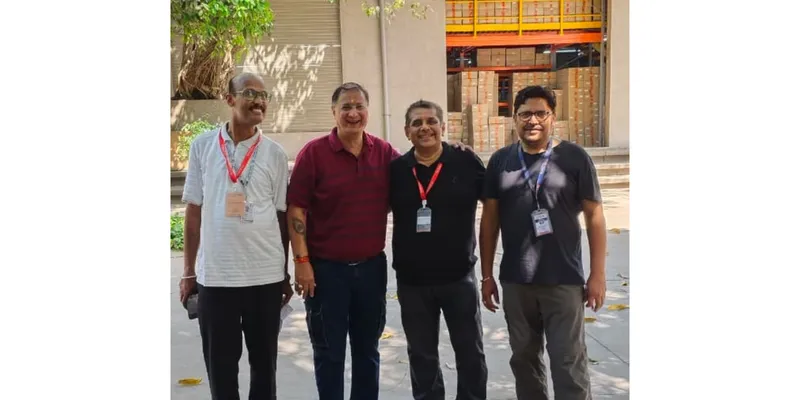
In a significant step toward strengthening collaboration between academia and the apparel industry, National Institute of Fashion Technology (NIFT) Director Dr. Sanjay Shrivastava visited Kewal Kiran Clothing Ltd. (KKCL), the company behind the popular KILLER brand, at its Daman facility.
During the visit, Dr. Shrivastava engaged in insightful interactions with key department heads across production, logistics, and quality control, gaining a comprehensive understanding of KKCL’s operational excellence and integrated manufacturing processes. The visit also saw the presence of General Manager of KKCL Mr Gajendra Prasad K Mishra, who facilitated discussions on industry practices and future growth prospects.
The meeting focused on the emerging opportunities within the Indian textile and apparel sector, emphasizing India’s strong domestic market as a pivotal driver of growth. Dr. Shrivastava noted that this inherent strength positions the country advantageously on its path toward achieving the vision of a developed nation under the “Viksit Bharat 2047” initiative.
Highlighting NIFT’s role, Dr. Shrivastava stated that the institute is committed to actively intervening in the fashion and textile ecosystem by bridging the gap between academic learning and industry requirements. “NIFT’s objective is to strengthen academia and shape the future of fashion by aligning education with real-world industry dynamics,” he remarked.
What stood out during the visit was not just a formal exchange, but a clear alignment of purpose between institutions and industry. When spaces like National Institute of Fashion Technology connect directly with companies such as Kewal Kiran Clothing Ltd., the outcome goes beyond internships or academic updates. It creates a live feedback loop where classrooms evolve alongside factory floors, and ideas are tested against real market dynamics.
These interactions quietly reshape how future professionals are trained, making learning more responsive, practical, and forward-looking. At the same time, they open doors for fresh thinking in areas like design innovation, responsible production, and global positioning. With India steadily strengthening its presence in the global textile and apparel arena, such collaborations signal something deeper. It is a shift toward an ecosystem where education and industry move in tandem.