FINANCIAL ANALYSIS REPORT Anjani Synthetics Limited
1. preface
Anjani Synthetics Limited( ASL) was incorporated on 3 March 1984 in Ahmedabad, Gujarat, as a cloth recycling company listed on BSE
ASL is an structure- concentrated cloth process house that manufactures and processes a wide range of fabrics — gauging cotton, viscose, synthetic, and amalgamated accoutrements for domestic and transnational requests.
Fabric processors face peripheral pressure from raw material( cotton and polyester hair) price cycles, import competition, and the decentralised nature of the powerloom and hose value chain in which they operate.
2. Company Overview
innovated 1984 in Ahmedabad's New Cloth Market area; has grown into a vertically able cloth processor handling dyeing, printing, and finishing of different fabric types in- house.
Business model: Procures slate fabric and raw fibre inputs, processes them through dyeing and printing units, and distributes finished fabrics to garment manufacturers, retailers, and exporters.
Design- driven isolation In- house design plant creates trend- responsive patterns, enabling the company to offer value- added published and dyed fabrics beyond commodity processing.
Shirting Fabrics plains, checks, stripes,multi-occasion designs in cotton, polyester- cotton, and amalgamated kinds.
3. protagonist/ Author preface
Mr. Vasudev S. Agarwal — Chairman and Managing Director
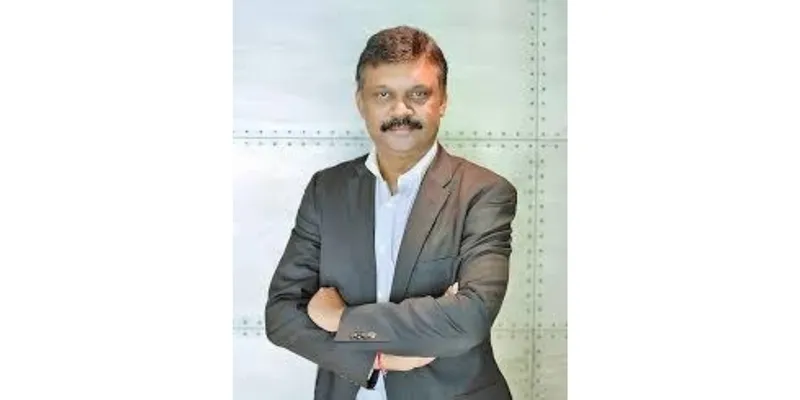
Serves as both Chairman and Managing Director of ASL; the founding protagonist and primary decision- maker behind the company's 40- time trip in cloth processing.
Led ASL's elaboration from a conventional fabric dealer into a completely integrated cloth process house with an in- house design plant, dyeing and printing capabilities, and home furnishing product lines.
Oversaw the company's debt reduction strategy, bringing borrowings steadily down while maintaining profitable operations — a crucial capital allocation achievement.
Other Promoters and Board Members
Co-promoters include Sanjay Goverdhan Sharma, Alpesh Fatehsingh Purohit, Kuldeep Shah, Ruchi Prabodhchandra Halakhandi, and Ishali Desai — a stablemulti-member protagonist group holding 74.9 equity.
Statutory Adjudicators Nahta Jain and Associates, Ahmedabad — responsible for periodic inspection and fiscal statement instruments.
4. Financial Statement Analysis
All numbers standalone, Rs. Crore. Source BSE India, Screener.in( BSE 531223).
4.1 Income Statement Analysis
Particulars | FY 2022-23 | FY 2023-24 | FY 2024-25 |
Revenue from Operations | 247 | 254 | 224 |
Operating Profit (EBITDA) | 7 | 8 | 8 |
OPM (%) | 2.8% | 3.1% | 3.6% |
Net Profit / (Loss) — PAT | 4 | 4 | 3.63 |
YoY Revenue Change (%) | Base Year | +2.8% | -11.8% |
Cr in FY24 to Rs. 224 Cr in FY25 — an 11.8 fall — reflecting wimpiness in fabric demand and pricing across the cloth processing value chain.
Despite the profit decline, PAT remained stable at Rs. 3.63 Cr in FY25, and OPM actually bettered hardly from 3.1 to 3.6, indicating better cost operation at a lower profit scale.
Five- time profit CAGR of-7.16 reflects the broader structural retardation in domestic fabric processing, though sustained profitability in every time is a meaningful positive.
4.2 Balance Sheet Analysis
Particulars | FY 2022-23 | FY 2023-24 | FY 2024-25 |
Total Assets (est.) | 135 | 125 | 115 |
Total Borrowings | 55 | 45 | 35 |
Shareholders' Equity / Net Worth | 82 | 84 | 88 |
Book Value / Share (Rs.) | 55 | 57 | 59.6 |
Net worth has grown steadily from roughly Rs. 82 Cr in FY23 to Rs. 88 Cr in FY25, supported by harmonious retained gains; book value per share rose to Rs. 59.6.
Borrowings declined from roughly Rs. 55 Cr to roughly Rs. 35 Cr — a 36% reduction in two times — affirming Screener's note that the company has laboriously reduced debt.
Stock at Rs. 23.3 trades at just 0.38 x book value of Rs. 59.6, representing a significant reduction to net means — a crucial value signal for long- term investors.
4.3 Cash Flow Statement Analysis
Particulars | FY 2022-23 | FY 2023-24 | FY 2024-25 |
CFO — Operations | Positive | Positive | Positive |
CFI — Investing | Minimal | Minimal | Minimal |
CFF — Financing | Negative | Negative | Negative |
Positive operating cash overflows across all three times confirm that profitability is n't simply counting- driven — cash is authentically being generated from cloth processing operations.
harmonious backing exoduses image the progressive debt prepayment, with borrowings down roughly Rs. 20 Cr over two times — a disciplined deleveraging approach.
4.4 Key Financial Ratios
Ratio | FY 2022-23 | FY 2023-24 | FY 2024-25 |
OPM (%) | 2.8% | 3.1% | 3.6% |
Net Profit Margin (%) | 1.6% | 1.6% | 1.6% |
ROE (%) | 4.9% | 4.8% | 3.90% |
ROCE (%) | 5.5% | 6.0% | 6.04% |
P/E Ratio | 8x | 8x | 10.3x |
P/B Ratio | 0.42x | 0.40x | 0.38x |
3-Yr Avg ROE (%) | -- | -- | 4.47% |
ROCE bettered to 6.04 in FY25 despite profit decline — driven by lower debt reducing the capital employed base and better absolute operating profit.
Net profit periphery of roughly 1.6 is harmonious across all three times, showing stable unit economics indeed under varying profit conditions.
P/ B of 0.38 x is among the smallest in the cloth processing sub-sector, presenting a deep- value occasion if the company's profitability sustains or improves.
5. crucial perceptivity and Interpretation
Strengths
harmonious Profitability and Improving OPM
Three successive times of net profit; OPM rose from 2.8 to 3.6 indeed as profit declined — showing structural periphery enhancement.
Borrowings cut by 36 in two times; zero protagonist pledging and 74.9 protagonist holding reflect fiscal discipline and strong power confidence.
sins
Five- time profit CAGR of-7.16 signals structural demand wimpiness in the domestic fabric processing request; FY25 saw an 11.8 time- on- time decline.
Net periphery of roughly 1.6 leaves a minimum buffer against input cost harpoons or demand dislocations typical of commodity- grade processing companies.
Despite harmonious gains, no tip has been declared — limits appeal to income investors and raises questions about capital deployment strategy.
threat Factors
Raw Material threat Cotton and polyester fibre prices are subject to thunderstorm, global force, and crude oil painting cycles; periphery contraction threat is ever-present at 1.6 net perimeters.
profit Decline threat Five successive times of sub-trend profit growth(- 7.16% CAGR) suggest the company may be losing request share or facing structural demand headwinds in its fabric orders.
Illiquidity threat request cap of Rs. 34.4 Cr and low BSE trading volumes make the stock delicate to buy or vend in meaningful size without price impact.
unborn Outlook
ROCE enhancement to 6.04 in FY25 despite profit decline is an encouraging sign if the company can stabilise earnings in the Rs. 220 – 250 Cr range while continuing debt reduction, ROE and ROCE could ameliorate to the 7 – 9 range by FY27.
Growing demand for value- added digital- published and design- plant fabrics provides an occasion to shift from pure processing towards advanced- periphery ingrained fabric deals.
Any inauguration of tips would serve as a stronger-rating catalyst, as the current P/ B of 0.38 x leaves significant room for request price appreciation towards book value.
6. Conclusion
Financial Health Evaluation
Anjani Synthetics is a financially stable, constantly profitable, and precipitously deleveraging cloth processor. The balance distance is healthy — positive net worth of Rs. 88 Cr, debt declining to Rs. 35 Cr, and zero protagonist pledging. Despite a profit decline in FY25, OPM bettered and PAT remained stable at Rs. 3.63 Cr. The company does n't face a solvency threat; its core challenge is reversing themulti-year profit compression.
Investment Perspective
Value case P/ B of 0.38 x and P/ E of 10.3 x make ASL one of the further attractively priced profitable cloth companies on BSE — suited for patient value investors.
7. Data Source
- BSE India (bseindia.com) — Annual reports, quarterly results, corporate filings
- NSE India (nseindia.com) — Stock data, exchange disclosures
- Screener.in — P&L, balance sheet, ratios, shareholding data