Fayuan Knitting: A Comprehensive Look at Lace Excellence in Modern Textiles
In the dynamic world of textile manufacturing, few companies strike the ideal balance between quality workmanship and innovative product range like Fuyuan Knitting. Although the official website — may be a simple gateway to their offerings, the reputation and background of this company reflect a deep commitment to supplying the global apparel and fabric industries with premium materials. From delicate decorative lace to sturdy components for ready-to-wear fashion, Fuyuan Knitting stands out in both legacy and capability.
For decades, textile markets worldwide have relied on mills and manufacturers that specialize in high-quality knitted materials for garments, accessories, and design applications. Fuyuan Knitting has developed expertise in exactly this area, with a particular focus on a wide spectrum of fabric types — including fine lace fabric and detailed lace trim — which customers appreciate for both aesthetic beauty and functional performance.
The Heart of the Business: Textile Innovation & Knitting Mastery
Textile manufacturing is both an art and a science. At its core, knitting involves interlocking loops of yarn or thread using needles or machines, creating fabrics that are flexible, resilient, and suitable for a wide range of end-uses. Knitted fabrics are inherently different from woven fabrics because of their loop structure, which gives them superior stretch and comfort — a quality essential for contemporary fashion, undergarments, and performance wear.
Fuyuan Knitting operates within this framework, applying advanced warp and weft knitting technologies to produce textiles that meet varying specifications. While precise details from the company’s own website are limited, industry context confirms that Fuyuan and similar knitters in China’s textile hubs emphasize product quality, durability, and design adaptability.
Lace: From Classical Elegance to Modern Design
One of the most prized textile categories in fashion and home décor is lace. Known for its intricate patterns and delicate texture, lace is traditionally associated with elegance, femininity, and craftsmanship. In contemporary manufacturing, lace is produced using both machine knitting and weaving techniques, creating patterns that range from classic floral motifs to bold geometric designs.
What Is Lace Fabric?
Lace fabric refers to textile that incorporates an openwork pattern, usually created through looping or twisting threads rather than conventional weaving. High-quality lace is prized in bridal wear, evening gowns, lingerie, and decorative trims for garments. Due to its fine structure and artistic detail, lace fabric plays a significant role in fashion collections worldwide and often serves as a signature element in luxury apparel lines.
Using advanced knitting technology, manufacturers such as Fuyuan Knitting can produce lace fabric that balances delicate aesthetics with the structural integrity needed for use in various garments. This capability ensures both visual appeal and practical use in making dresses, bodices, overlays, and even casual garments that incorporate lace accents into modern design.
The Importance of Lace Trim in Textile Design
Just as significant as lace fabric itself is lace trim, a narrower form of lace used to embellish garments, accessories, and home textiles. Lace trim is typically applied along edges — such as sleeves, necklines, hemlines, or cuffs — to enhance visual interest and offer refined detailing.
Traditionally, lace trim was handcrafted by skilled artisans. Today, companies like Fuyuan Knitting apply automated production systems that replicate these detailed patterns at commercial scale. This allows designers and manufacturers to incorporate ornate, elegant trims into garments without the high cost and time constraints associated with exclusively hand-made lace.
Despite being produced at scale, modern lace trim retains the charm and texture of classic designs — making it a staple for bridal wear, lingerie, cuffs, hems, and decorative garment borders. From casual wear to formal gowns, lace trim adds a layer of sophistication that elevates the overall look of any piece.
Fuyuan Knitting’s Place in the Global Textile Industry
Although detailed information about the company’s product lines directly from isn’t broadly documented online, Fuyuan Knitting — like many textile firms based in China’s industrial regions — plays a significant role in fabric supply chains. China remains one of the world’s largest producers and exporters of knitted fabrics, lace products, trimmings, and garment components.
According to industry directories, companies similar in name and location to Fuyuan specialize in textile manufacturing, garment supply, and fabric export, working with customers both domestically and internationally. These companies often participate in trade exhibitions and supply large fashion and textile markets across Southeast Asia, Europe, North America, and beyond.
In the crowded ecosystem of textile producers, Fuyuan Knitting’s focus on quality, consistency, and customer relationships make it a reliable resource for brands and designers seeking everything from classic knitted jersey fabrics to fine lace fabric and decorative lace trim.
Applications of Lace and Trim in Modern Fashion
Bridal and Formal Wear
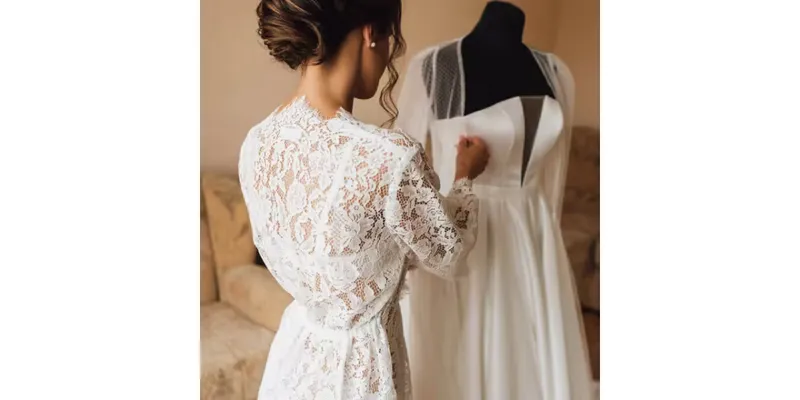
Lace fabric and trim are foundational in bridal fashion’s visual language. Bridal gowns often feature multi-layered lace skirts, bodice overlays, and delicate trim around sleeves and train edges. The transparency and light texture of high-quality lace offer the perfect mix of tradition and modern elegance.
Lingerie and Intimate Apparel
In lingerie design, lace fabric is not merely decorative — it also enhances comfort and flexibility. Designers often pair lace with stretchable knit fabrics to achieve both a flattering fit and sophisticated look. Lace trim helps define edges and contours on delicate garments, balancing aesthetics with function.
Everyday Wear and Street Fashion
Beyond special occasions, lace elements are now commonplace in everyday fashion. Top designers incorporate lace into casual shirts, tops, and even denim accents. When combined with modern fabrics, lace adds unexpected texture and visual complexity to contemporary wardrobe staples.
Home Textile and Accessories
Lace isn’t limited to clothing. Modern interior design uses lace accents in curtains, table linens, pillowcases, and decorative accessories. The light passage of lace allows for versatile light filtering while contributing classic charm to home décor.
Conclusion: Tradition Meets Innovation
The textile industry thrives on its ability to merge cutting-edge manufacturing with enduring artistic traditions. Fuyuan Knitting exemplifies this dynamic: providing essential materials like intricate lace fabric and elegant lace trim that empower designers, garment makers, and fashion brands to realize creative visions with consistency and quality.
From haute couture runways to ready-to-wear boutiques, lace continues to be a symbol of style and refinement. Companies that specialize in knitted lace and trimming uphold standards that respect textile heritage while embracing modern production efficiencies.
Whether you are a fashion designer searching for distinctive materials or a brand looking for reliable supply partners, understanding the value and versatility of lace products — and the companies that produce them — is an essential part of creating standout apparel and textiles in today’s global marketplace.