Fashion for Good launches Stretching Circularity project to test bio-based and recycled elastane
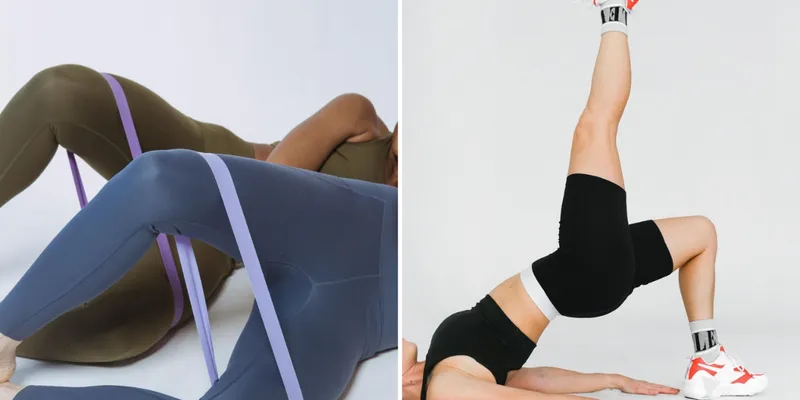
Fashion for Good has introduced Stretching Circularity, a collaborative initiative designed to accelerate the adoption of lower-impact elastane alternatives suitable for circular textile systems. The project will validate bio-based and recycled elastane materials through pilot-scale testing and demonstrator garments, with the objective of addressing a key technical constraint to circularity in textiles.
Elastane is used in around 80% of clothing to provide stretch and comfort, typically accounting for 1–5% by weight in cotton or wool garments and up to 20% in polyester or polyamide garments. As a fossil-based fibre, elastane contributes to carbon emissions and the consumption of non-renewable resources. It also presents a major obstacle to textile-to-textile recycling, as even small amounts act as a contaminant in recycling feedstocks, limiting the recyclability of high-volume fibres such as cotton and polyester and leading to downcycling or disposal.
Stretching Circularity addresses these issues through two workstreams. One focuses on testing next-generation elastane materials derived from alternative feedstocks, including bio-based inputs. This phase involves the production of demonstrator garments, including a technical t-shirt containing 10% elastane and a non-technical t-shirt with 2% elastane. The second workstream examines regenerated elastane developed through emerging recycling technologies. Both streams apply a pilot-scale validation model to generate comparable data on performance, environmental impact, economic feasibility, and scalability.
The project brings together industry stakeholders across the value chain. Participants include Fashion for Good partners Levi Strauss & Co (Beyond Yoga), On, Paradise Textiles, Positive Materials, and Reformation, with Ralph Lauren Corporation acting as an Advisor. Ecosystem partners such as Materiom and the Ellen MacArthur Foundation will support knowledge sharing and data generation to reduce adoption risks for the wider industry. The initiative follows a structured due diligence and validation framework to determine whether alternative elastane materials meet the performance requirements of conventional elastane.
“Lower-impact elastane solutions exist, but they lack the pilot-scale validation brands need to scale them confidently,” Katrin Ley, Fashion for Good Managing Director. “This initiative seeks to provide that missing data, turning a well-known recycling ‘contaminant’ into a functional component of a circular supply chain.”
“Elastane is one of the most overlooked blockers to true circularity in fashion: it’s everywhere and yet there is a significant challenge to recovering it at scale. Stretching Circularity is about tackling that problem at the root and proving that lower-impact stretch materials and new recycling pathways can meet real performance and design standards.” Carrie Freiman Parry, Senior Director of Sustainability at Reformation