EV Motor Market: The Backbone of Clean Transportation
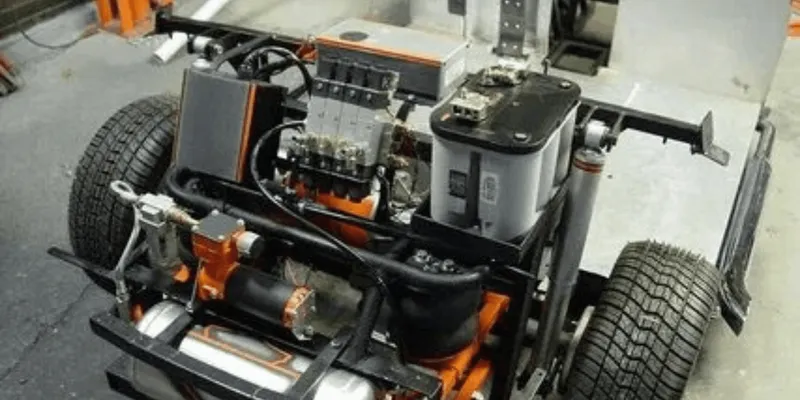
The global shift toward clean transportation hinges not just on batteries or infrastructure but on electric vehicle (EV) motors. As the core mechanism converting electric power into motion, EV motors play a vital role in reducing emissions and enhancing efficiency in electric vehicles.
1. Key to Decarbonizing Transport
Road transport accounts for about 15–16% of global CO₂ emissions. EVs help mitigate this, producing up to 73% fewer life-cycle emissions than gasoline vehicles. The efficiency of the motor determines the energy gains, making the EV Motor Market a critical player in emissions reduction.
2. Boosting Efficiency & Range
Modern motor designs—such as brushless, hub, and axial-flux motors—offer better torque, lower heat loss, and improved performance. For example, Conifer’s axial-flux motor uses iron-based magnets (not rare-earth), improving efficiency by ~20%. Such innovations help extend vehicle range and lower resource dependency.
3. Diversifying Supply Chains
A diversified motor supply base reduces risks from geopolitical dependency—especially as many motors rely on rare-earth magnets from China. Alternatives like iron-based designs promote supply resilience and local production capabilities.
4. Strong Market Growth
Valued at USD 46 billion in 2024, the EV Motor Market is projected to hit USD 120 billion by 2030, driven by EV adoption, policy mandates, infrastructure growth, and consumer demand.
5. Alignment with Global Policy Goals
Governments across the EU, U.S., and Asia are incentivizing EV adoption. Efficient, high-performance motors are essential to meeting emissions mandates and regulatory goals by 2030.
6. Ecosystem Interoperability
EV motors must integrate seamlessly with other electric drivetrain components. Standardized specifications improve supply chain collaboration, ease manufacturing, and accelerate vehicle rollout.
7. Enabling Innovation & Business Models
Electric motors now power more than cars—supporting micro EVs, e-scooters, robotics, and urban logistics. This evolution opens new mobility solutions and markets for motor manufacturers.
8. Lifecycle Sustainability
Motor designs now emphasize recyclable materials and rare-earth-free components, supporting a circular economy. This enhances end-of-life recovery and reduces environmental impact.
9. Regional Leadership
Asia-Pacific leads global EV motor production, with China, India, Japan, and South Korea driving manufacturing growth. Local investments are reinforcing national green industry ambitions.
10. Scaling Clean Mobility to 2030
With projections exceeding USD 120 billion by 2030, the EV Motor Market will remain central to clean mobility. Innovations like in-wheel systems and rare-earth-free designs will play a key role in this growth.
EV motors are no longer a secondary component—they are pivotal to achieving net-zero targets, enabling technological evolution, and securing a sustainable transport future.