EU and India advance circular economy measures to reduce textile waste
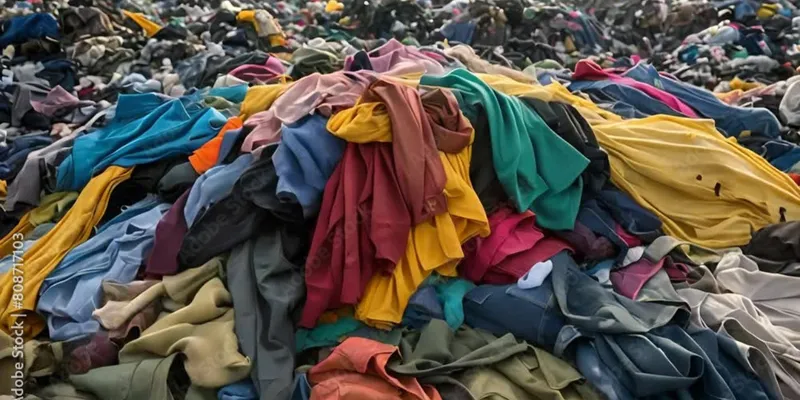
On 9 February 2026, the European Commission introduced a ban on the destruction of unsold textiles under the Ecodesign for Sustainable Products Regulation (ESPR). The measure is intended to lower waste generation, reduce CO2 emissions, and encourage companies to adopt practices such as resale, reuse, and remanufacturing instead of disposing of surplus goods.
In parallel, India has revised its Solid Waste Management Rules, 2026, making four-stream waste segregation compulsory and embedding circular economy principles into national waste policy. Given the textile sector’s substantial contribution to India’s GDP and its role in municipal waste generation, the updated rules are expected to influence how textile waste is collected and processed.
Together, these regulatory developments in Europe and India highlight a shift toward policies designed to manage textile waste more systematically and align production and disposal practices with circular economy objectives.