Electric Boats & Ships Market Growth Surges Beyond Forecasts
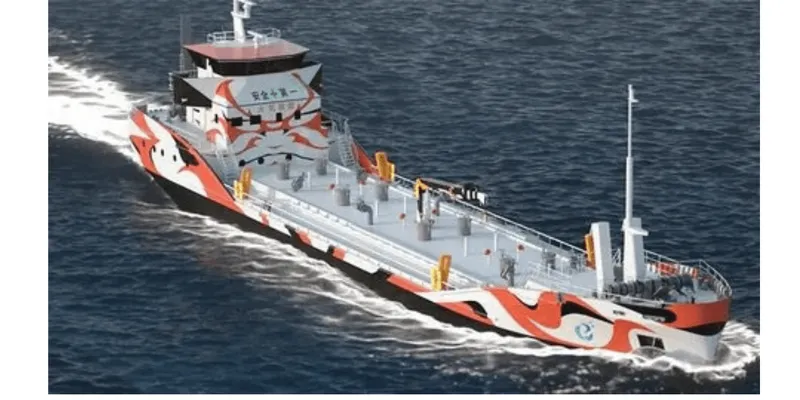
Electric propulsion reshapes global maritime mobility faster than predicted.
The Electric Boats & Ships Market is expanding at a pace exceeding earlier forecasts, driven by emission mandates, battery innovations, and rising global investments.
The global move toward sustainable mobility is quickly expanding beyond land-based transport, as maritime industries undergo rapid electrification. In recent years, the Electric Boats & Ships Market has progressed from early pilots to full-scale commercial deployment across ferries, cargo ships, passenger craft, defense vessels, and leisure fleets. Notably, its growth trajectory has far surpassed earlier forecasts, driven by cutting-edge technology, strict decarbonization targets, and strong capital investments. This article examines the forces positioning electric vessels at the forefront of tomorrow’s maritime ecosystem.
Environmental Pressures and New Emission Regulations
Growing regulatory pressure remains the primary force behind the sharp rise in electric vessel adoption. The International Maritime Organization (IMO) has committed to substantial greenhouse gas reductions, pushing shipbuilders, ports, and fleet owners to adopt cleaner propulsion solutions. Diesel-powered marine fleets are major contributors to coastal emissions, marine pollution, and carbon output, compelling authorities to mandate greener mobility. As a result, electric propulsion, hybrid systems, and advanced battery technologies are being adopted at an unprecedented pace.
Governments across Europe, Asia Pacific, and North America are also rolling out subsidies, tax benefits, reduced port fees, and incentives for electric vessel operators, creating a favorable environment for transitioning away from diesel-powered fleets.
Breakthroughs in Marine Batteries and Power Systems
The market’s unexpected acceleration is largely due to significant advancements in marine battery technologies. Previous limitations related to energy density, safety, durability, and charging access once hindered adoption. Today, marine-grade lithium-ion batteries, high-performance LFP chemistries, and next-generation solid-state technologies have made long-range and heavy-load operations more practical.
Shipyards and propulsion specialists are further developing advanced battery management systems, regenerative braking for vessels, and hybrid-electric configurations that integrate batteries with fuel cell systems. These innovations extend operational range, improve efficiency, and deliver substantial long-term cost savings—benefits highly valued by commercial operators aiming to reduce fuel and maintenance expenses.
Surge in Electrification of Ferries and Coastal Services
Ferries—responsible for millions of daily passenger trips around the world—are at the forefront of marine electrification. Governments prioritize electric ferries due to their frequent, short-distance routes where emissions accumulate quickly. Scandinavian nations have already showcased the transformative impact of fully electric ferries, setting global benchmarks.
Cities across North America, Asia, and Europe are now adopting similar models, enabling widespread fleet renewal and driving exceptional market growth.
Rising Investments from Shipyards and Maritime OEMs
The maritime sector is undergoing structural change supported by record investment in electric vessel production. Global OEMs, propulsion system manufacturers, and marine battery companies are collaborating to launch new electric vessels designed to transport goods, passengers, and heavy cargo without emissions.
Marine electrification startups are also drawing significant venture capital, while infrastructure providers are installing fast-charging stations, smart storage systems, and grid-connected dockside chargers. This ecosystem-level investment is boosting adoption across commercial, recreational, and defense marine segments.
Insights from Fairfield Market Research indicate that focusing on decarbonized supply chains is reshaping fleet renewal strategies, with many countries accelerating their plans to electrify inland waterways and coastal networks.
Shift Toward Cost-Efficient Marine Operations
Fuel expenses are among the largest costs for marine operators, contributing to financial volatility. Electric propulsion reduces reliance on diesel, improves efficiency, and stabilizes operating budgets. Over a vessel’s lifecycle, electric boats and ships can achieve 30–70% cost savings due to lower fuel consumption, fewer mechanical parts, and reduced maintenance needs.
With operators balancing economic pressure and stricter environmental regulations, electric vessels offer a compelling commercial advantage.
Growing Preference for Quiet, Low-Vibration Marine Tourism
Tourism operators increasingly prefer electric boats for their silent performance, smooth operation, and eco-friendly footprint. Locations such as eco-reserves, lakes, island corridors, and national parks benefit from reduced water pollution and minimal disturbance to wildlife. This shift aligns with broader eco-tourism trends, encouraging hotels, resorts, and tour providers to transition to electric fleets. Silent cruising also enhances passenger experience, especially in premium tourism offerings.
Port Electrification and Smart Maritime Infrastructure
Modern ports are adopting digital and renewable technologies, integrating shore-to-ship power systems, renewable energy grids, and electric charging stations. As governments commit to net-zero logistics, ports are enabling vessels to plug into electrical power while docked, reducing reliance on diesel generators. This simultaneous expansion of smart port infrastructure and electric vessels is creating a mutually reinforcing growth cycle.
A Market Expanding Faster Than Predicted
The Electric Boats & Ships Market is advancing far quicker than earlier projections suggested. A combination of emissions policies, technology breakthroughs, increasing investments, expanding urban electrification, and evolving operational economics is driving sustained momentum. As noted by Fairfield Market Research, the shift toward carbon-neutral maritime transport is not a short-term trend but a transformative global movement reshaping marine mobility.
With rising demand across passenger transport, cargo operations, tourism, and defense applications, the electric maritime revolution is firmly underway. The next decade will define a new era of innovation, steering the marine industry toward a cleaner, quieter, and more sustainable future.