DGTR Rejects US Claims of Excess Capacity in India’s Textile and Steel Sectors
India Cites Low Per Capita Consumption, Net Import Status in Submission to USTR Probe
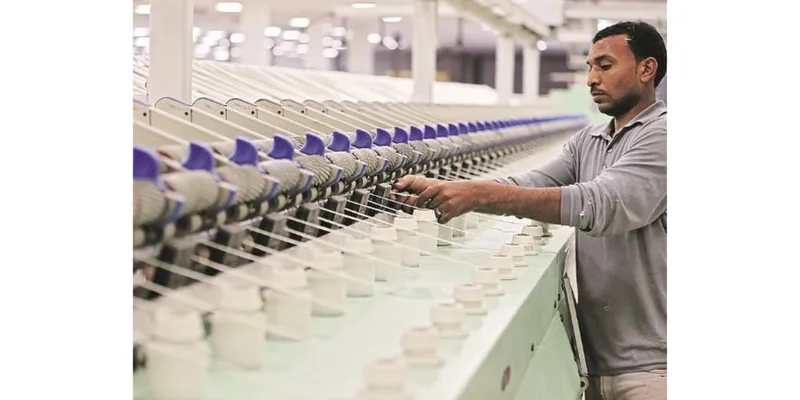
India has rejected allegations that it maintains excess production capacity in the textile and steel industries, according to Amitabh Kumar, additional secretary and Director General of Trade Remedies (DGTR).
“We do not think we have over-capacity in the textiles sector. Our per capita consumption of all kinds of textile products is abysmal, particularly in man-made fibre and technical textiles. Ours is a hot, tropical climate; we wear cotton. How do we have overcapacity?” he said.
Referring to the steel sector, Kumar said, “Our per capita consumption is so low. We may be the second largest producer of steel, but compared to our population, our economic and growth imperative, it’s one of the lowest.”
According to India’s submission, textile consumption remains particularly low in man-made fibres and technical textiles. The country has also maintained that it is a net importer of man-made fibres in addition to cotton.
In March, the Office of the United States Trade Representative (USTR) launched an investigation under Section 301(b) of the Trade Act of 1974 into the policies and practices of several economies, including India, regarding structural excess capacity and manufacturing production.
India’s response to the investigation rejected the allegations, stating that the notice did not provide a credible rationale to support claims that India’s major industries suffer from structural excess capacity contributing to trade surplus with the United States.
Kumar said trade remedy measures are important for addressing unfair practices, strengthening domestic manufacturing, and supporting a rules-based global trading system. He also noted that 40-50 trade defence investigations are underway at any given time, covering industries affected by subsidised imports from various countries.