Delayed Monsoon Slows Groundnut and Cotton Sowing in Gujarat
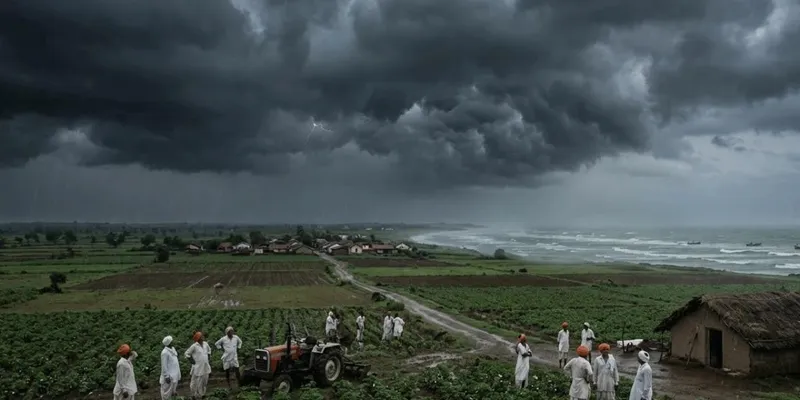
Lower rainfall reduces sowing progress as farmers await monsoon revival, with concerns over crop output and edible oil prices.
The delayed progress of the southwest monsoon in Gujarat has started affecting the state's kharif cropping season, with groundnut and cotton sowing lagging behind normal levels.
According to Gujarat's agriculture department, only 21.55% of the normal groundnut area and 28.68% of the cotton area had been sown. The figures are measured against the three-year average sowing area of 1.91 million hectares for groundnut and 2.38 million hectares for cotton.
Gujarat is India's largest producer of groundnut, accounting for approximately 40% of the country's groundnut output. The state harvests between 4 million and 4.6 million tonnes annually. It is also among India's leading cotton-producing states, contributing 20–25% of national cotton production, with annual output of around 10 million bales of lint.
With farmers delaying sowing due to insufficient rainfall, weather conditions over the coming weeks are expected to influence crop prospects as well as edible oil and cotton prices.
Farmers with access to borewells have continued sowing, particularly for groundnut, while others are waiting for rainfall before planting.
Groundnut and cotton cultivation is concentrated in the Saurashtra region and parts of north Gujarat. According to the report, only about 20 of Saurashtra's more than 100 talukas have received sufficient rainfall so far.
Ram Maru, a 58-year-old farmer from Kutiyana in Porbandar district, said he normally alternates between groundnut and cotton cultivation each year. This season, however, he plans to cultivate soybean instead.
Soybean has a crop cycle of around 90 days, compared with 105–130 days for groundnut, making it a relatively safer option if rainfall continues to be delayed.
In neighbouring Ranavav taluka, 50-year-old Pratap Kistariya has already sown groundnut because his farm is located near a pond. After experiencing losses from unseasonal rainfall last year, he said he remains hopeful for improved weather conditions this season.
Biren Vakil, a commodity consultant, said a decline in groundnut and cotton production could support prices in commodity markets. He added that lower groundnut output may also lead to higher edible oil prices ahead of the festive season.
Vakil further stated that if rainfall improves during the second half of the monsoon, commodity prices could moderate.