Debrand Releases 2025 Transparency Report on Textile Diversion Pathways
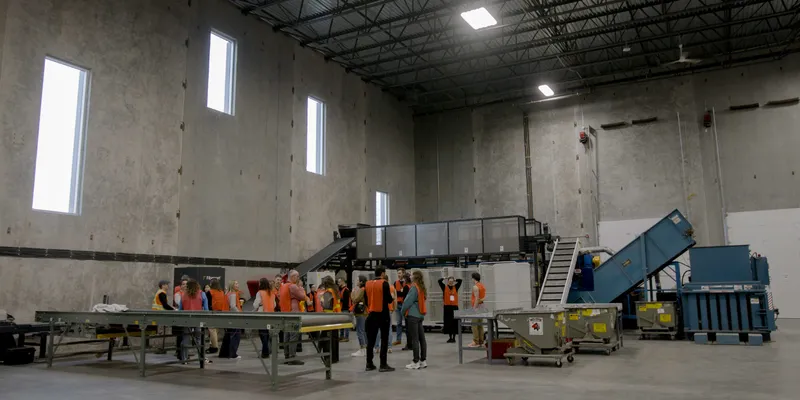
Debrand, a textile reverse logistics company, has released its first Transparency Report, offering detailed data on how post-consumer and post-industrial materials are managed across different next-life pathways. The report presents information on reuse, recycling, upcycling, and responsible disposal, along with operational constraints affecting these processes.
The company reports that in FY2025, it processed more than 2.4 million pounds of apparel, accessories, and packaging and warehouse by-product. These materials were distributed across pathways aligned with the Waste Hierarchy.
Reuse accounted for 347,440 pounds (13.66%), directed toward resale and donation channels. Recycling represented more than 1.7 million pounds (69.54%), with most materials allocated to fiber reclamation processes.
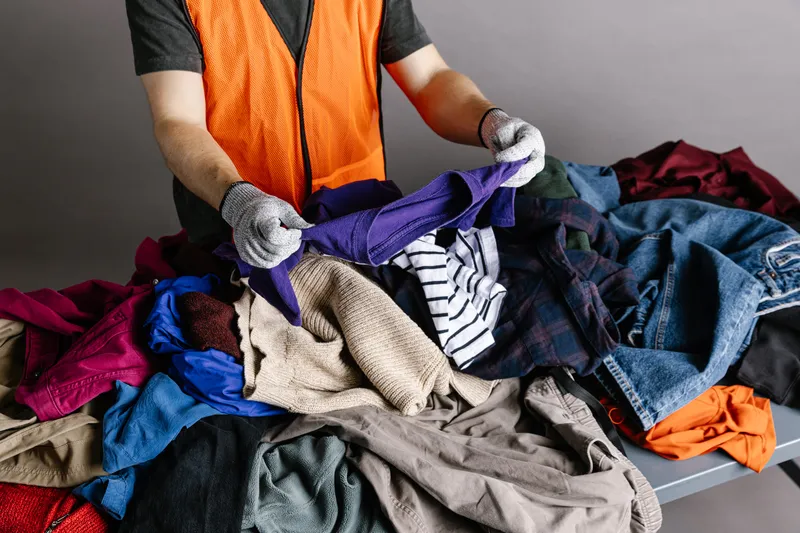
Within recycling, 27,107 pounds (1.06%) were directed to textile-to-textile recycling pilots classified as advanced recycling.
Remanufacturing and specialized streams, including upcycling initiatives, accounted for 25,269 pounds (0.99%).
Responsible disposal pathways, including waste-to-energy and alternative fuel, accounted for approximately 415,000 pounds (16.32%), reflecting infrastructure limitations.
The report presents these figures alongside context on system constraints, including design limitations, infrastructure gaps, and challenges in end-market development. It also highlights that while recycling activity is increasing, reuse pathways remain limited, advanced recycling is still developing, and some product categories lack established solutions.
-800x800.webp?2026-04-29T06:56:19.001Z)
“In an industry as oversimplified and misunderstood as fashion, we believe real progress starts with clarity,” said Amelia Eleiter, CEO and Co-Founder of Debrand. “If we can’t see what’s happening behind the scenes, and be honest about what’s working and what isn’t, we can’t meaningfully move forward. This report is our commitment to opening that black box.”
The report also outlines the role of partnerships in advancing textile circularity. Debrand collaborates with brand and innovation partners, including lululemon and Samsara Eco, across initiatives such as resale programmes, textile-to-textile recycling trials, takeback pilots, and material innovation projects.
“The intent of this report is not perfection, it’s progress,” Eleiter added. “We hope it serves as a starting point for more open dialogue across the industry. The more visibility we create together, the faster we can identify solutions and scale what works.”
Debrand stated that it plans to update the report annually, with a focus on improving traceability, data accuracy, and visibility across material pathways as infrastructure and technology evolve.