Cotton Prices Jump ₹4,000 per Candy, Putting Tamil Nadu Textile Mills Under Pressure
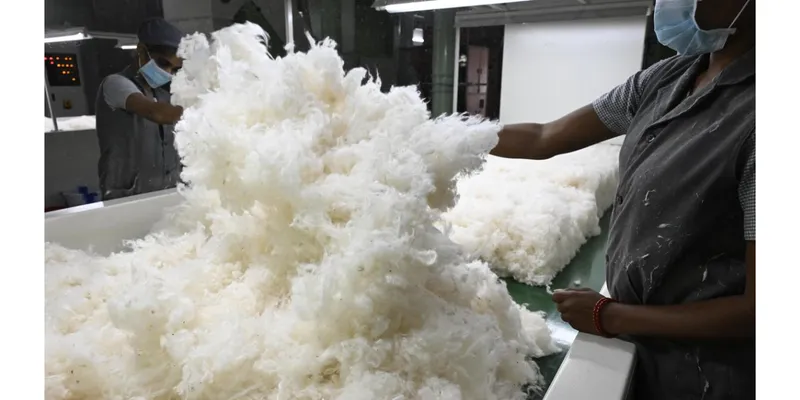
Cotton prices have climbed from ₹64,000 to ₹68,000 per candy in 20 days, raising input cost concerns for more than 1,500 textile mills as the 2026–27 cotton marketing season progresses.
Cotton Prices Reach ₹68,000 per Candy
Cotton prices have increased by ₹4,000 per candy over the past 20 days, raising concerns among more than 1,500 textile mills in Tamil Nadu about higher input costs. The increase has occurred 62 days into the 2026–27 cotton marketing season.
Prices have risen from ₹64,000 to ₹68,000 per candy on an ex-gin basis, an unusual increase for October.
“Cotton arrivals are not as expected for a couple of reasons,” said the secretary of the Indian Cotton Federation.
The anticipated decline in cotton production, farmers holding back stocks in expectation of higher prices, and the scheduled resumption of import duty from November 1 have contributed to the increase, according to the report.
Cotton Availability Remains a Concern
The rise in prices has brought attention to the availability of cotton for domestic textile manufacturers. Lower-than-expected arrivals and the possibility of reduced production have raised concerns about the supply-demand balance during the current marketing season.
The scheduled resumption of import duty from November 1 is another factor affecting the industry's outlook, as mills assess raw material availability and procurement costs.
Domestic Consumption and Stock Levels
According to Durai Palanisamy, chairman of the Southern India Mills’ Association, domestic cotton consumption during the 2025–26 season, which ended on September 30, 2026, stood at 305 lakh bales.
Despite imports of 67 lakh bales, existing stocks were just 40 lakh bales, highlighting the industry's concerns over cotton availability.
Production Outlook and Import Duty Concerns
Cotton production in the current season is expected to reach 280 lakh bales, compared with estimated demand of 360 lakh bales.
The production-demand gap is expected to support cotton prices. However, the textile industry has raised concerns about its competitiveness if import duty remains in place.
The industry has called for a balanced approach to cotton pricing and import policy that considers the interests of both textile manufacturers and cotton farmers.