Cotton Made in Africa and African People & Wildlife Promote Farmer Participation in Climate Adaptation
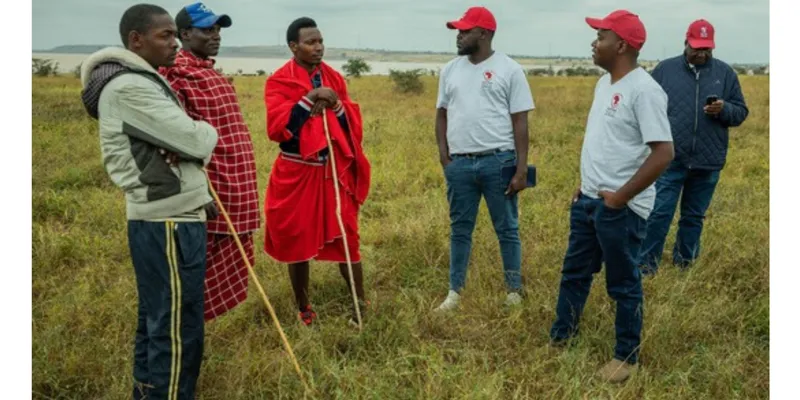
New training manual introduces a dialogue-based approach to agricultural consulting and community engagement
The Aid by Trade Foundation (AbTF) and African People & Wildlife (APW) have developed the CmiA Community Engagement Training Manual, a practical guide designed to strengthen farmer participation and dialogue in cotton-growing communities in sub-Saharan Africa.
The manual seeks to move agricultural consulting beyond a traditional top-down approach by placing small-scale cotton farmers at the centre of collaborative learning, communication and decision-making processes.
New Approach to Agricultural Consulting
Climate change, droughts and biodiversity loss are creating new challenges for agriculture and requiring rapid adjustments in cotton cultivation. For small-scale farmers in sub-Saharan Africa, adapting to these changes can be particularly challenging.
According to the organisations, providing technical recommendations alone may not be sufficient to achieve lasting changes. The new manual therefore promotes partnership-based dialogue that considers local knowledge, traditional farming practices and farmers’ individual perceptions of risk.
The manual was developed over several years through collaboration between AbTF and APW, drawing on APW’s ACTIVE Community Engagement Model.
Four-Module Training Manual
Designed as a practical resource for agricultural facilitators, the manual is divided into four modules covering areas including:
- Socio-cultural planning
- Participatory sessions
- Collaborative learning and communication
- Evaluation of learning outcomes
The approach encourages agricultural advisors and lead farmers to become “community champions”, who act as moderators of change within farming communities.
Their role is to facilitate dialogue and help communities identify appropriate responses to changing environmental and agricultural conditions.
Farmers at the Centre of Decision-Making
The manual emphasises that adaptation measures need to reflect the realities of individual farming communities.
Facilitators are guided to work with communities to identify local needs and determine which changes to smallholder farming practices are appropriate in each context. The approach aims to increase acceptance of innovative cultivation methods while encouraging joint action and greater understanding of the need for adaptation.
Alexandra Perschau, head of cotton standards at the Aid by Trade Foundation, said:
“The manual reflects our conviction that agriculture can only function in the long term if rural communities are the focus of action. Farmers are not passive recipients of recommendations for action; they are equal partners as the pivotal point of change. Their valuable experience and the rich, traditional knowledge of many people and communities form the basis of the new approach.”
Training for CmiA Implementation Partners
The handbook is currently being introduced to Cotton made in Africa (CmiA) implementation partners through an initial Training of Trainers programme and regional workshops led by APW.
Key contributors include Alais Morindat, head of the ACTIVE Community Engagement programme at APW; Revocatus Magyane, ACTIVE programme director and senior programme officer at APW; and Dr Ben Sekamatte, an agricultural expert and CmiA consultant from Uganda.
The initiative combines community engagement with agricultural knowledge to support cotton farmers as they respond to climate change and biodiversity-related challenges.