Cooling Fabrics: The Future of Smart and Sustainable Textiles
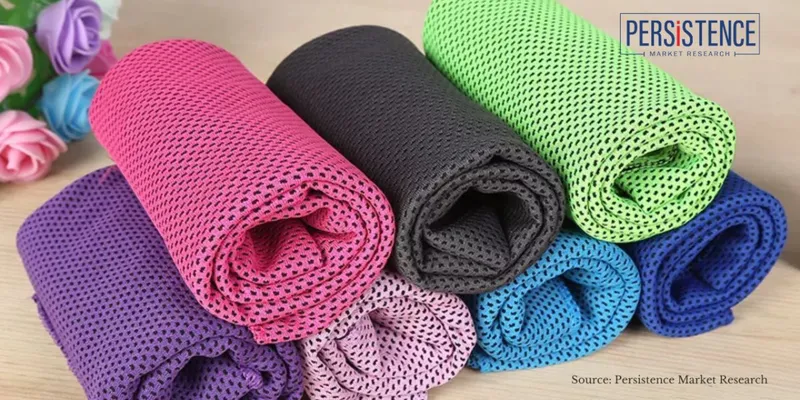
The textile industry, historically reliant on conventional materials such as cotton, wool, and polyester, is undergoing a technological transformation. As global temperatures rise and consumer demand for comfort and functionality increases, cooling fabrics have emerged as a groundbreaking innovation poised to redefine the very fabric of our everyday lives. These advanced textiles are more than just fashion statements — they are functional tools, designed to manage temperature, wick away moisture, and enhance overall comfort in a variety of applications.
Cooling fabrics, once considered a niche product primarily used in athletic wear, are now entering mainstream fashion, military uniforms, medical textiles, and even home furnishings. This shift marks a significant evolution in how textiles are designed, manufactured, and marketed, reflecting a growing trend toward performance-enhancing apparel that adapts to our changing environment and lifestyle demands.
The Science Behind Cooling Fabrics
Cooling fabrics work through a combination of moisture management, heat dissipation, and air circulation. Some of these fabrics are engineered to actively lower body temperature by utilizing phase change materials (PCMs), which absorb, store, and release heat. Others use advanced polymer structures or ceramic coatings to reflect sunlight and promote airflow. Many incorporate special yarns and weaves that enhance breathability and wick moisture away from the body, accelerating the evaporation process and creating a cooling sensation.
One of the most notable features of these fabrics is their responsiveness. Unlike traditional materials, which trap heat and moisture, cooling fabrics adapt to environmental conditions and the body's own thermoregulation processes. This ensures that wearers stay dry and cool, even in extreme temperatures or during intense physical activity.
Market Growth and Industry Impact
The rise of cooling fabrics is not just a matter of innovation — it is also a reflection of shifting market dynamics. According to a report by Persistence Market Research, the global cooling fabrics market for cooling fabrics is set for remarkable growth. The market size is expected to increase from approximately US$ 2.6 billion in 2025 to around US$ 4.5 billion by 2032. This projected growth signifies a compound annual growth rate (CAGR) of 8.1% during the forecast period. Such expansion underscores the increasing demand for high-performance textiles across multiple sectors and the pivotal role that cooling fabrics will play in shaping the future of the industry.
This projected trajectory highlights a growing awareness and preference among consumers and businesses for smart textiles that do more than simply cover the body. It also indicates increased investments in research and development, strategic partnerships between textile manufacturers and tech companies, and the proliferation of environmentally friendly production methods that align with broader sustainability goals.
Applications Across Industries
The versatility of cooling fabrics has enabled their application in a diverse array of industries. In sportswear, these textiles are almost indispensable. Athletes and fitness enthusiasts benefit from garments that regulate temperature and manage perspiration, enhancing performance and reducing the risk of heat-related stress. Leading sports apparel brands have incorporated cooling technologies into their product lines, offering consumers a blend of innovation and comfort.
In the healthcare sector, cooling fabrics are used in garments designed for patients with chronic conditions such as multiple sclerosis or those undergoing chemotherapy, where temperature regulation is crucial. They are also being developed for bedding and clothing used in hospitals, helping to improve patient comfort and recovery.
Military and defense sectors are leveraging cooling fabrics for combat uniforms and gear, especially for personnel deployed in hot and arid environments. These fabrics reduce the risk of heat exhaustion and improve operational efficiency. Similarly, in the construction and outdoor labor industries, protective clothing embedded with cooling technology helps safeguard workers from extreme temperatures.
Even in interior design, cooling fabrics are making their mark. Furniture upholstery, car interiors, and bedding infused with cooling properties offer enhanced comfort and climate responsiveness, catering to a market that increasingly values wellness-oriented products.
Environmental and Sustainability Considerations
As concerns about climate change and sustainability intensify, the development of cooling fabrics has taken on an eco-conscious dimension. Traditional methods of staying cool, such as air conditioning, consume vast amounts of energy. In contrast, clothing made from cooling fabrics offers a passive and sustainable alternative, reducing dependence on electricity and lowering carbon footprints.
Many manufacturers are now exploring biodegradable or recycled materials in the production of cooling fabrics. Advanced dyeing techniques and water-efficient processes are also being adopted to ensure minimal environmental impact. Some innovations have even resulted in fabrics that self-clean or resist bacterial growth, reducing the need for frequent washing and thereby conserving water and energy.
These efforts align with the broader shift within the textile industry toward circular economy principles. By extending product life cycles and minimizing resource consumption, cooling fabrics exemplify how technology and sustainability can work hand in hand to create products that are not only high-performing but also responsible.
Challenges and the Road Ahead
Despite the exciting prospects, the cooling fabrics market faces certain challenges. One of the major hurdles is cost. Advanced textiles often require sophisticated manufacturing processes and materials, making them more expensive than conventional fabrics. For widespread adoption, particularly in cost-sensitive markets, manufacturers must find ways to scale production and reduce prices.
Consumer awareness is another barrier. While the benefits of cooling fabrics are clear, educating the broader market about these advantages remains a key task for brands. Misconceptions about performance, durability, or maintenance can limit adoption. As more consumers experience the benefits firsthand and as endorsements from trusted brands proliferate, this challenge is likely to diminish.
Furthermore, regulatory standards and testing protocols are still evolving. With so many new technologies entering the market, consistent benchmarking and certification processes are necessary to ensure product quality and consumer trust.
Looking forward, the future of cooling fabrics appears promising. Innovations continue to emerge, such as fabrics that integrate sensors for real-time temperature feedback or those that dynamically adjust based on wearer activity. As wearable technology and the Internet of Things (IoT) continue to intersect with fashion, we can expect cooling fabrics to become even more intelligent and integrated into our digital lives.
A New Fabric Frontier
Cooling fabrics represent more than just a technological advancement; they symbolize a shift in how we perceive and interact with clothing. No longer passive coverings, textiles are becoming active participants in our daily well-being, responding to our bodies and our environments in real time.
This evolution is particularly relevant in a world grappling with climate change, urban heat islands, and rising expectations for comfort and sustainability. The adoption of cooling fabrics across various sectors — from athletics to aerospace — demonstrates a growing recognition that innovation in textiles is not merely about aesthetics or fashion but about functionality, resilience, and environmental responsibility.
In conclusion, cooling fabrics are revolutionizing the textile industry by merging cutting-edge technology with everyday utility. As they become more accessible and affordable, their transformative potential will continue to expand, redefining comfort standards and reshaping consumer expectations across the globe. The journey has just begun, but it's already clear that the future of textiles will be cooler — in every sense of the word.