Conductive textiles transform wearable tech industry
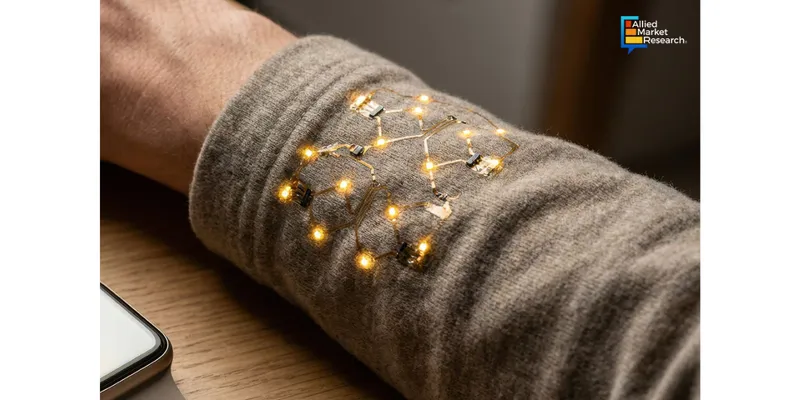
Conductive textiles, fabrics capable of transmitting electrical signals, are gaining wider adoption across multiple industries. These materials combine the functionality of electronics with the flexibility and comfort of traditional textiles. Their applications are increasing with advancements in material science and wearable technology.
Conductive textiles are designed to conduct electricity while maintaining the softness and flexibility of conventional fabrics. These materials are primarily used in smart textiles, where they function as sensors to detect parameters such as temperature, pressure, and movement. As a result, they are widely applied in healthcare, sports, and consumer electronics sectors.
These textiles are developed to retain electrical performance even after repeated washing, stretching, and extended use. Their flexibility allows them to conform to body shapes, making them suitable for smart clothing, fitness tracking devices, and medical monitoring garments. Lightweight and soft properties also contribute to user comfort. Ongoing advancements in material science are supporting improvements in reliability and cost efficiency.
Manufacturing methods include coating fabrics with conductive materials, integrating conductive yarns through knitting or weaving, and applying conductive inks using printing techniques. Research efforts are focused on developing environmentally sustainable materials and processes. This includes the use of biodegradable fibers and eco-friendly production methods aimed at reducing environmental impact.
Conductive textiles are being used across a range of applications. In healthcare, they support wearable devices that monitor vital signs such as heart rate and body temperature, enabling real-time patient tracking. In sports, they are used in garments that monitor physical activity, muscle movement, and performance. These textiles are also applied in defense for enhancing safety and performance in challenging conditions. Additionally, they are incorporated into accessories and garments that interact with smartphones.
Industry trends indicate a focus on integrating electronic components directly into fabrics without affecting comfort. Advances in materials are improving conductivity and durability, while efforts to develop recyclable and biodegradable textiles are increasing. Investment in research and development is also rising to improve performance and reduce manufacturing costs.
Artificial intelligence is being used in the development and production of conductive textiles. It supports material design, reduces research timelines, and improves production efficiency. AI systems can monitor manufacturing processes, identify defects, and optimize resource usage, contributing to automation and consistent output. It also enhances the functionality of conductive textile applications.
The increasing demand for wearable technology is a key factor driving the sector. Consumers are adopting smart clothing and devices that track health, fitness, and activity levels. Healthcare providers are also using wearable textiles for patient monitoring, supporting improved diagnosis and treatment. Growth in Internet of Things (IoT) applications is further contributing to market expansion.
However, the sector faces challenges including high production costs and concerns related to durability and long-term reliability. In some cases, conductive performance may decline over time, affecting product effectiveness. The lack of standardized frameworks also presents a barrier to broader adoption.
At the same time, opportunities exist in areas such as remote patient monitoring, rehabilitation, and elderly care. Conductive textiles are also gaining usage among athletes and fitness users for performance tracking. In the automotive sector, they are being explored for use in seats, interiors, and safety systems.
Regionally, North America holds a significant share of the conductive textiles market, supported by technological development and demand for wearable devices. Europe is experiencing growth due to increased focus on innovation and sustainability, along with regulatory support. The Asia-Pacific region is expected to expand due to rising demand for smart textiles and a strong manufacturing base that supports cost efficiency. The LAMEA region is projected to witness moderate growth, supported by increasing adoption and infrastructure improvements.
Conductive textiles continue to develop as a segment within the textile and electronics industries, enabling new applications across sectors. Advancements in technology and increasing focus on sustainability are expected to influence future developments.