Commerce Department Explores Import Substitution and Export Expansion Amid West Asia Crisis
Industry bodies asked to suggest measures as rising oil prices and widening trade deficit raise economic concerns
According to the report, the exercise comes at a time when the weakening rupee, rising global crude oil prices, and volatility in capital flows are increasing pressure on India’s trade balance, inflation, and foreign exchange position.
The Commerce Department is seeking suggestions from industry on measures to reduce import dependence, strengthen domestic production capabilities, and promote exports.
“The government wants to spare no effort in lowering imports, wherever possible in order to conserve foreign exchange. The merchandise trade deficit has been widening and higher global crude oil prices are expected to further strain. The Commerce Department hopes to come up with suggestions on import substitution and export promotion with the help of industry,” a source tracking the matter told businessline.
India imported more than 85 per cent of its crude oil requirement in 2025-26, making elevated energy prices a significant risk for the trade balance and the rupee. The report stated that India’s merchandise trade deficit widened to a record $333 billion in 2025-26, up over 17 per cent from the previous year.
Economists cited in the report cautioned that a prolonged increase in crude oil prices could push the current account deficit beyond comfortable levels.
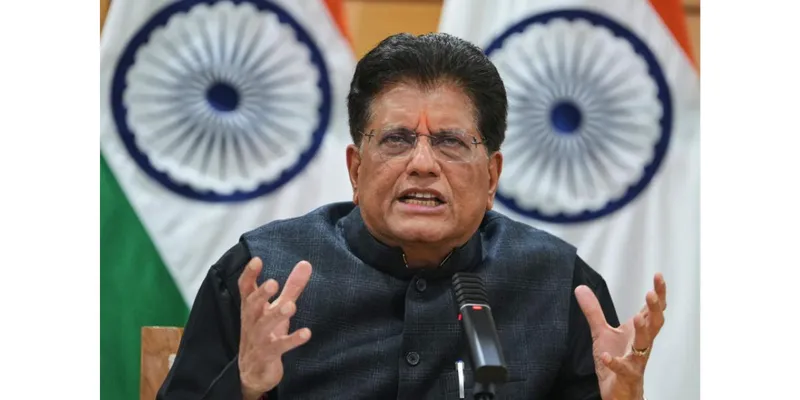
Earlier this week, Commerce Minister Piyush Goyal urged industry to support domestic supply chains by increasing local sourcing and reducing import dependence in key sectors.
The report noted that the minister specifically highlighted high import dependence in segments of the capital goods sector and called upon industrial clusters such as Rajkot, Jalandhar, Ludhiana, Batala, and Pune to strengthen domestic manufacturing capabilities.
According to the communication sent to export and industry bodies, sectors with high trade deficits are expected to focus on reducing imports and improving local manufacturing. For sectors where imports are high but exports are negligible, the emphasis is on building production capacity and developing export competitiveness.
In categories where India enjoys a strong trade surplus, industry bodies have been asked to suggest ways to further expand exports and access new markets. For sectors where exports are high and imports are negligible, the focus will remain on maintaining competitiveness and increasing value addition.