CAI Urges Removal of 11% Import Duty to Support Textile Sector
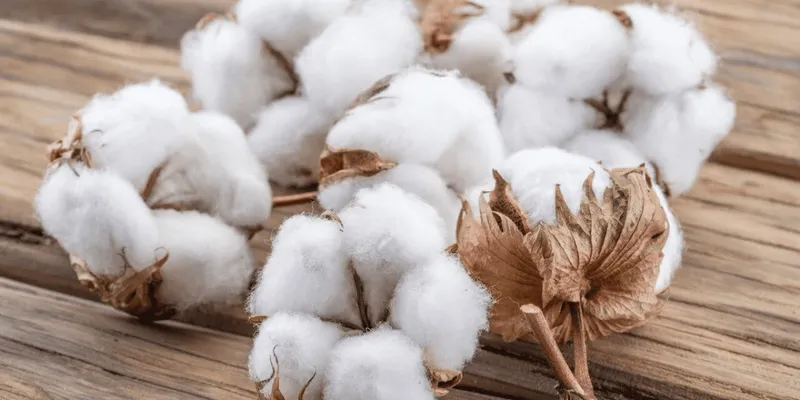
CAI calls for lifting India’s 11% cotton import duty, warning that high domestic prices and quality constraints threaten textile competitiveness and export growth.
India’s textile industry—one of the nation’s most vital manufacturing pillars—has long supported exports, employment generation, and rural incomes. Yet the sector is now confronting one of its most challenging periods. According to the Cotton Association of India (CAI), declining domestic productivity, elevated Minimum Support Prices (MSP), and intensifying global competition have made Indian cotton significantly more expensive than international alternatives.
The situation, CAI warns, has been worsened by the 11% customs duty on raw cotton imports, a levy that distorts market prices and adds pressure on textile manufacturers already grappling with weak demand and high input costs. The repercussions have also reached cotton traders and ginners, who operate as unsecured creditors and are feeling the immediate financial strain created by reduced mill procurement.
CAI argues that stabilising the textile value chain requires ensuring consistent, competitively priced access to raw cotton. With farmers safeguarded through MSP operations, the association says the urgent need now is to support the manufacturing sector by eliminating the import duty. Doing so, it notes, would help textile and spinning mills secure raw material at competitive rates—particularly important given uncertainties linked to U.S. tariffs and recessionary trends in European markets.
Failure to act, CAI cautions, could trigger rising unemployment, loan defaults, and broader financial stress across the textile ecosystem.
India is simultaneously negotiating new trade opportunities. Under the leadership of Commerce Minister Shri Piyush Goyal, guided by Prime Minister Shri Narendra Modi, the government is working to finalise multiple FTAs, with progress expected on resolving tariff challenges with the United States. Such developments could unlock significant export potential for Indian yarn and textiles. But CAI emphasises that the benefits of these agreements will materialise only if the raw material cost barrier is removed.
The association also highlights global sourcing shifts driven by the ‘China Plus One’ strategy and disruptions in Bangladesh due to political instability and foreign exchange shortages—conditions that position India to capture a larger share of global textile orders. However, this opportunity depends entirely on ensuring the availability of competitively priced cotton.
India’s target of achieving US$100 billion in textile exports by 2030, set by the Ministry of Textiles, is similarly contingent on affordable raw material access.
CAI notes that the 11% duty was introduced during the exceptional circumstances of the Covid-19 pandemic; prior to that, India maintained a zero-duty structure with no adverse impact on farmers. This year’s unseasonal rains have further damaged domestic cotton quality, meaning mills will need to import premium cotton to meet buyer specifications. If the duty remains, CAI warns, Indian manufacturers risk losing orders to Vietnam, Bangladesh, Pakistan and other competing markets—causing long-term erosion of India’s global market share.
The Cotton Association of India has therefore strongly urged the Government to remove the current 11% import duty on raw cotton, calling it essential for the survival and competitiveness of the entire cotton and textile value chain.