Buyer-Supplier Partnerships Support Expansion of Bangladesh’s Apparel Industry
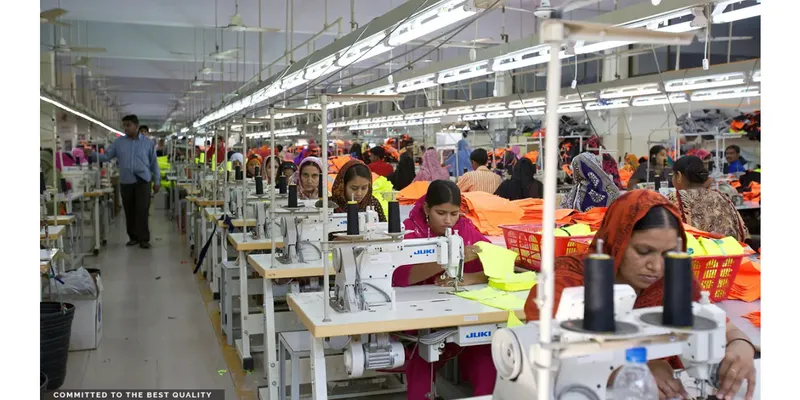
Strong global buyer relationships, export growth and manufacturing capabilities continue to shape Bangladesh’s position in the international RMG market
Bangladesh’s ready-made garment (RMG) industry has developed extensive relationships with international apparel brands, retailers and sourcing organisations, making buyer-supplier partnerships an important part of the country’s export-driven apparel sector.
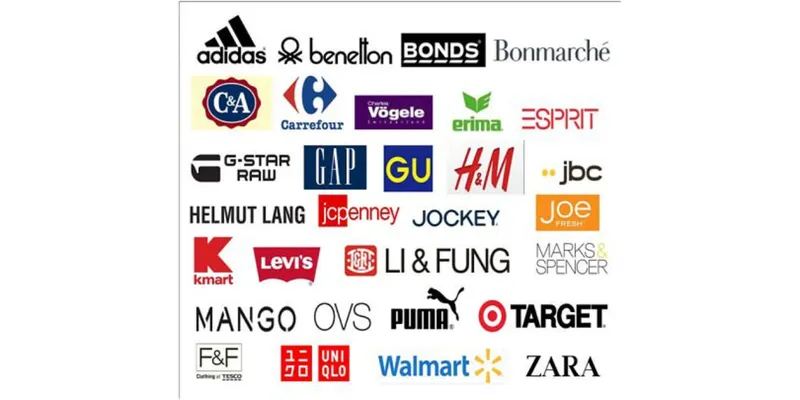
Global companies including H&M, Walmart, Inditex (Zara), Primark, Adidas, Mango, Levi Strauss & Co., Nike, GAP/Old Navy, Marks & Spencer, C&A, Uniqlo, Li & Fung, Lidl, Aldi, K-Mart, Target and American Eagle source apparel from Bangladesh. These relationships have helped establish the country as a major sourcing destination for ready-made garments.
Bangladesh’s RMG exports grew 13.92% year-on-year to $3.89 billion in August 2026, accounting for approximately 88.01% of the country’s total monthly merchandise export earnings.
The apparel industry has also contributed to employment generation and economic activity in Bangladesh. To sustain this growth, cooperation among the government, suppliers and international buyers remains important across the apparel value chain.
Focus on stronger buyer-supplier relationships
Improving supply-chain efficiency and transparency can involve greater adoption of lean operations and electronic data exchange. Closer and longer-term relationships between buyers and suppliers can also support more efficient operations.
Pricing negotiations are another area that requires attention. More developed suppliers are increasingly selective about their customer relationships and, in some cases, are ending partnerships with long-established buyers.
Operational practices on the buyer side also influence supply-chain efficiency. Long response times, complex internal procedures involving merchandising and sourcing functions, and frequent last-minute changes can slow down the overall production and supply process.
Compliance is another area where buyers need to remain actively involved as part of the broader apparel value chain.
Import dependence remains a challenge
Although Bangladesh has a significant number of large and small spinning mills, including major domestic players, a considerable portion of the yarn used by the apparel sector is still imported.
The country's spinning mills depend on imports for cotton, which is a primary raw material for yarn production. Other inputs, including dyeing and printing chemicals and packaging raw materials, are also imported.
Bangladesh has an emerging market for locally manufactured garment machinery as well as a market for second-hand and older machinery. However, these sources remain insufficient to meet the industry's requirements and can also face restrictions related to different compliance requirements.
As a result, much of the light and heavy machinery used in the RMG sector is imported from different parts of the world. Overall, the Bangladeshi garment industry remains significantly dependent on imports for raw materials and machinery.
Key advantages of Bangladesh’s apparel industry
Several factors have supported Bangladesh’s development as a global apparel sourcing destination:
Cost-effective labour:
Bangladesh has a large labour force, with apparel-sector wages comparatively lower than those in many other countries. This cost advantage attracts international brands and retailers.
Duty-free market access:
Bangladesh has duty-free or preferential market access to markets including the European Union, Canada and Japan, supporting export competitiveness.
Industry infrastructure:
The country has developed infrastructure for apparel manufacturing, including industrial parks, specialised zones and modern manufacturing facilities.
Skilled workforce:
The RMG sector benefits from a large pool of skilled and semi-skilled workers with experience in garment production.
Ethical compliance:
The industry has made progress in areas including workplace safety, worker rights and compliance with international labour standards.
Sustainable initiatives:
Manufacturers are increasingly focusing on sustainability and adopting eco-friendly practices and certifications, including LEED and GOTS, to respond to demand from environmentally conscious consumers.
Employment generation:
The apparel industry provides employment to millions of people, particularly women, contributing to poverty reduction and socio-economic development.
Foreign direct investment:
Bangladesh has attracted foreign investment in the apparel sector, including through international companies establishing manufacturing facilities or partnering with local manufacturers.
Economic diversification:
The RMG industry has contributed to diversification of Bangladesh’s economy, supporting industrialisation and reducing dependence on traditional sectors.
Brand reputation:
Bangladesh has developed a reputation as an international sourcing destination for apparel products, strengthening its position in the global market.
Major export destinations
The major destinations identified for Bangladesh’s apparel exports include:
- United States
- European Union
- United Kingdom
- Canada
- Germany
- France
- Italy
- Spain
- Japan
- Australia
The United States is identified as the largest export destination, followed by the European Union. These markets are expected to remain important for Bangladesh’s apparel exports as the industry continues to develop.
Sustainability remains a key industry issue
Sustainability has become increasingly connected with business operations across the global apparel industry. For Bangladesh, environmental challenges remain an important consideration as the RMG sector seeks to expand its role in global trade.
The industry faces concerns including global warming, depletion of underground water levels, river-water pollution and other environmental issues.
At the same time, clothing remains an essential part of modern life, creating a need to balance apparel production with environmental considerations. International brands have made commitments to producing products with lower environmental impact, while Bangladeshi RMG manufacturers and the government are working on policies and practices intended to address these commitments.
One area of focus has been the adoption of sustainability reporting practices at factories, which has increasingly become part of the industry's sustainability efforts.
Buyer-supplier partnerships, improvements in operational efficiency, access to international markets, manufacturing capabilities and sustainability practices will therefore remain important factors in the continued development of Bangladesh’s apparel industry.
Tanbir Hasan (Sanid)
Chairman
Reveree (Fashion Starts Here), Bangladesh.