Bridge Bharat Unveils ‘Fields of Chamba’ Chamba Rumal Textile Art Series
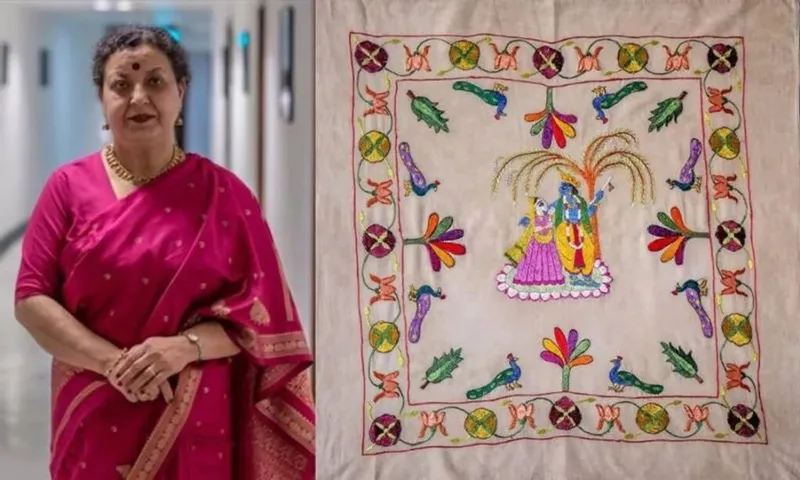
Research-led collection developed with Padma Shri Lalita Vakil explores Himalayan botanical forms through traditional embroidery
Bridge Bharat has introduced “Fields of Chamba,” a research-led Chamba Rumal series created in collaboration with Padma Shri Lalita Vakil and her atelier of women artisans in Himachal Pradesh.
The project combines archival study, botanical mapping, and studio-led design development focused on plant forms and ecological references from the Chamba Valley region.
According to the organisers, the series draws from native flowering shrubs, sacred trees, wild creepers, and seasonal plant life observed in the Chamba Valley landscape. These botanical references were documented through historical research and translated into embroidery compositions based on the Chamba Rumal tradition.
The project began with the study of historical Rumals, including analysis of stitch structures, compositional patterns, and vegetal motifs. Bridge Bharat’s design studio subsequently developed original drawings informed by academic research into Himalayan flora for execution through double-sided embroidery techniques associated with Chamba Rumal craftsmanship.
The works were completed by 13 women artisans over a period of one year and involved more than 1,000 hours of embroidery work.
The collection uses handwoven Bengal muslin combined with silk floss instead of cotton traditionally associated with the craft. According to the project details, the finer muslin material increases the technical complexity of embroidery execution while producing a translucent visual effect in the finished textile works.
The organisers stated that the collection positions Chamba Rumal embroidery within collectible textile art and contemporary interior display formats while retaining references to regional ecological and cultural knowledge.
Historically associated with the Pahari visual tradition, botanical imagery from the Chamba region has been used in textile and artistic practices linked to seasonality, devotional themes, and landscape representation.
“In Fields of Chamba, the archive, the landscape, and the artisan’s lived experience come together,” said Aakanksha Singh. “By developing original compositions through rigorous research and translating them through a discipline that demands extraordinary precision, we are extending the language of the Rumal while creating sustained, high-value work for the artisans who hold its technical knowledge.”
Bridge Bharat stated that the project forms part of its long-term initiative to develop international visibility for Indian heritage art practices through research, design development, material innovation, and artisan collaboration.
Project Highlights
- Collection Title: Fields of Chamba
- Research & Design: Bridge Bharat studio
- Artisan Collaboration: Padma Shri Lalita Vakil and atelier, Chamba
- Artisans Involved: 13 master women artisans
- Development Period: 1 year
- Embroidery Hours: 1,000+ hours
- Material: Handwoven Bengal muslin with silk floss
- Technique: Double-sided Chamba Rumal embroidery
- Format: Limited body of collectible textile artworks