Breathable Opaque Tights for Year-Round Wholesale Demand
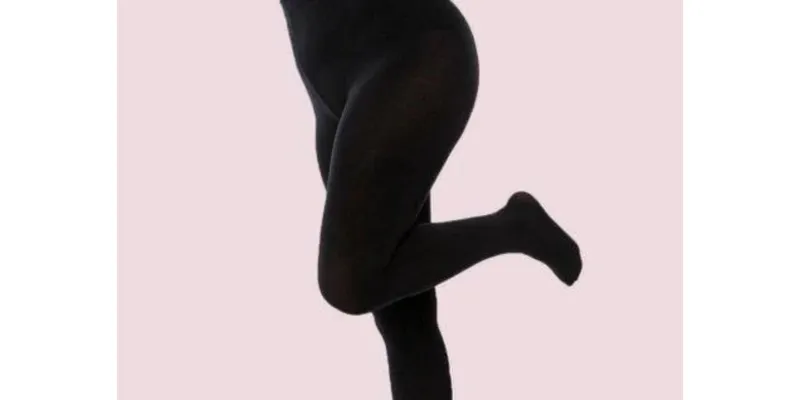
According to this unique seasonality, opaque tights can play many roles for wholesale buyers — more than just a winter assortment; however cleaning any awareness of denier alone doesn't indicate whether or not a style breathes well directly within the dullness period or seems decent together with his sensation. So, breathe not in breathability as an assumption. Make year-round retail assignments to various styles by comparing construction, fit, coverage and few test evidence on accepted samples.
This guide is intended for wholesales, retailers and private-label teams preparing a portfolio review or supplier RFQ. You are then based on data from October 2023, so you can use your local sales and return stats in order to determine which styles will get tested; the year round assortment is a hypothesis that needs validation at each market, not an implied promise that every style should sell within all seasons.
Define the Role of Each Style
Chase after the reason why (wearer, setting and use). This means you should log if the product is an indoor type, clothing prepared for transitional weather, evening or simply a defined occasion. Note the target, expected wear time and fit size coverage. This information in-turn allows buyers to analyse samples against one another using the same use case rather than a simplistic denier number or product name.
Keep the range focused. Clearly define the retail role of each SKU, and test it against target customers before adding colours or expanding quantities. A style that looks lighter or footless may serve another function than a dense winter styles but appearance and construction alone do not demonstrate cooling, insulation or breathability.
Buyer check | What to record | Decision use |
Target use | Market, setting, season and expected wear duration. | Decide whether sample fits a defined assortment role. |
Fit and coverage | Size, body measurements and coverage under agreed stretch. | Compare sizes under consistent light and assessment conditions. |
Comfort | Waistband pressure, slipping, rolling, perceived heat or dampness. | Flag sample issues; subjective comfort is not a lab result. |
Care and appearance | Care method, dimensions, pilling, seams and surface changes. | Check against buyer-approved appearance and measurement limits. |
Verify Breathability and Comfort Claims
Denier is a term to describe the linear density of yarn; it does not correlate directly with airflow, moisture transfer or thermal comfort. Knit structure, fabric density, yarn, finish and stretch can be relied on for finished performance. Fibre alone does not prove that a garment is breathable. Dear AutumnFibre composition in itself does not help prove that a garment has breathability
If a supplier says something is breathable, clarify which specific garment or textile this applies to and ask for the test report. Air-permeability techniques like ISO 9237 or ASTM D737 quantify airflow through a solution beneath determined conditions. Thermal and water-vapour resistance, the subject of ISO 11092 testing, is only one side of the comfort problem. Without mutual agreement as to which technique is pertinent to the claim, compare results only over time or in space.
Request Evidence That Matches the Claim
Style or fabric reference, composition and construction covered by the report.
Test method, laboratory, date, specimen preparation and conditioning details.
Test area, pressure or method settings, units and measured results.
Any target or acceptance range agreed before testing, plus action if a sample falls outside it.
For the proposed order, a report is only available for another fabric or other finish and/or construction. Wear trials reflect fit and perceived heat or wetness, but do not supplant laboratory testing. If no appropriate report exists, outline construction and use intent without presenting an unverifiable description of performance as a factual claim.
Use a Repeatable Sample Evaluation
Designate a buyer or quality lead to manage sample inspections within the enumerated size range. Compare on the same conditions and Level of Guidance, log sample ID / colour / Labelled size / Wearer measurements & assessment conditions then set consensus acceptance criteria before acceptance. Retain the sample with marked approval, measurement record and related pictures for mass production as a reference.
Build the Assortment and Reorder Plan
For each SKU, analyse sales by size and colour, returns items for booked stock. A simple product availability positions is on-hand + unallocated inbound - committed units. Estimate demand over replenishment lead time, and add a safety-stock allowance justified separately. You should challenge your assumptions if seasonalities of sales, pace of sales or timing for suppliers changes as well a minimum order quantities to refresh the plan.
If, for instance the observed demand is 20 pairs per week and confirmed replenishment lead time is eight weeks then estimated lead-time demand would be as follows:160 = 8 × [variable]Estimated Lead-Time Demand For example, if the buyer has independently created a 40 pair buffer in safety-stock allowance then this illustrative reorder point is 200 pairs. Planning (NOT a forecast) Example: Verify demand rate, lead time and selling window; also be sure to check MOQ prior to ordering
If a new range has no sales history, start with an agreed trial quantity where possible. Monitor sell-through and reasons for return before introducing a broader colour or size offering. If minimum order quantities from an agency don't match projected sales, press for stock alternatives or lower numbers and seek a written comparison between terms.
Prepare a Comparable Wholesale RFQ
Send the same brief to each shortlisted supplier so quotations cover comparable products and terms. Ask for a written response to each relevant item:
Product specification: style and sample ID, fibre percentages, denier, garment weight if applicable, footed or footless construction, waistband, gusset, finish and care-label requirements.
Sizing and appearance: size grading, body-measurement chart, garment measurement points and tolerances, colour references, shade tolerance and coverage expectations.
Volume & timing – volume by style, color and size; MOQ on stock products (and custom); sample fees & freight; lead time of samples & production starts/goods availabilities to ship. Pricing and payment: price list; pricing formula (good to have, not mandatory); payment terms including deposit % balance due.
Private label breadth and pricing: Artwork for labels, packaging requirements barcodes carton needs development testing cost of yarn finish size mix colour count or dye-lot minimums. Label artwork, packaging, barcodes & carton requirements These specifications include deal details on development testing or cost effects based upon yarn finish size mix colour count minimum and dye-lot.
Quality and repeat orders – approved-sample reference, inspection stage / procedure/sampling plan/defect definitions/AQL if agreed/batch traceability (if required) and remedy for shade sizing or recovery out of tolerance. Quality and repeat orders – approved-sample reference, inspection stage & procedure (table format), sample plan as per GOTS guidelines, defect definitions with examples in order to avoid confusion during inspections; any agreed AQL for each production batch along-with batch traceability wherever applicable; remedy process for shade/sizing or recovery if out of tolerance
Verify who inspects and releases before shipping. Log lot id and defects, resolve rework or replacements(corrective action you took). For Repeat orders, approval in writing is required for any change if yarn, finish size scaling or construction. Written approval for a change in yarn, finish size grading or construction is required on repeat orders
Review the OEM and ODM Process
Some steps in these sections of the guide may not apply, depending on which development samples for private-label work are chosen for a given style. Step 5: Discuss OEM and ODM process with supplier, ask who takes ownership of each individual approval, and what record retention can be in place as the repeat-order reference. Verify the procedure for your order — that a generic process page does not imply all elements apply to every style.
FAQs
Can opaque tights be included in warm-weather collections?
They can be evaluated for specific indoor or coverage-wise applications but largely relies on the type of product, wearer, local situation and demand. Test samples and review customer reviews Never assume lower denier or footless construction = coolness, breathability. A lower denier or footless construction does not automatically make a style cool and breathable
What should a breathability test report include?
It should identify the tested style or fabric, method, conditioning and test settings, units, results, laboratory and date. Ask how the tested construction matches the product proposed for your order.
What should buyers confirm before a private-label order?
Confirm approved sample, written specification size colour mix acceptable MOQ timing of samples and production closing package scope inspection checklist for shipment process on how to deal with defects or deviations from the approval To verify the sample approved, written specifications for size and colour mix MOQ timing of Sample & Production packaging scope inspection criteria process to be followed in case of defects or overall change what has been agreed on
How can a buyer plan a repeat order?
Sales and returns compared to available stock, confirmed inbounds quantities as well the leftover sellable remainder. Reorder based on a recorded forecast & lead-time assumption, and have the approved sample+specificaton as production references. Order again based on the proven demand and presumed lead-time, with reference to an approved sample/specification for production
Confirm the Specification Before Bulk Production
Check that the approved sample matches your written composition, size grading, colour references (for dye-sub) coverage expectations and care details and inspection criteria before approving a bulk order. Get agreement with the supplier on MOQ, price of sample(s), production delivery time and terms for selected style and quantity. Note that performance claims should be limited to the evidence available for that system of construction.
With styling reference, target market, size & colour ratio based on the price point required along with quantity (i.e how many pcs) needed and other specifications such as time plan for delivery you request a sample plan ans written quotation from Laseta. Trigger the inquiries utilizing contact page, and directly confirm sample availability, cost & time with supplier before placing order. Please initiate the inquiry through contact page, and verify sample availability, charges and timely delivery information from suppliers.