Blood Plasma Separators: Innovation in Medical Technology
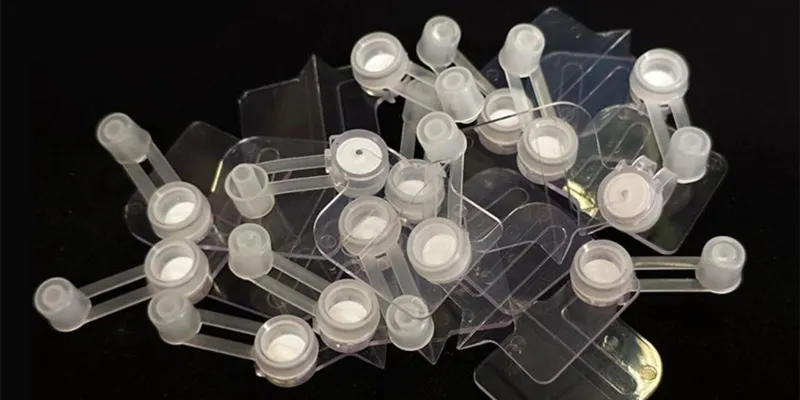
Modern medicine today technology enables healthcare professionals to do more than ever before. One such innovation is the invention and application of blood plasma separators, which plays an indispensable role in a number of medical disciplines such as transfusion medicine, diagnostics, and research. These instruments have changed the manner in which medical practitioners carry out the separation between plasma and whole blood: the process is now cleaner and takes less time, making the use of these instruments crucial in treatments and therapies.
So, What Exactly is a Blood Plasma Separator?
A plasma separator is a medical device that separates plasma from whole blood. Plasma is the straw-colored, liquid part of the blood that the blood cells float in, carrying water, proteins, salts, nutrients, and waste products. The blood plasma separator operates based on the technology called centrifugation, which extracts blood plasma. In this process, the blood is spun at high speeds, causing the denser blood components — including red blood cells — to sink to the bottom, while the lighter plasma rises to the top. This enables medical providers to efficiently remove the plasma, while leaving behind other blood components, such as red blood cells and platelets.
Blood plasma separators are a necessity in today's medical field as they allow for efficiency in plasma collection and production of the highest quality plasma to be used in medical treatments.
Importance in Medical Technology
Centrifugal blood plasma separators have progressed to designs that incorporate advanced features, improving their accuracy, efficiency, and safety. There are a few reasons why the blood plasma separator has become a glorious progress in the medical field.
Enhanced Efficiency
The conventional means of plasma separation were generally slow and involved a substantial degree of manual involvement. Current blood plasma separators are faster and allow the process to automatically proceed, which speeds up the performance of this apparatus and increases its applicability, including use in hospitals and blood banks. This is especially important in emergencies when time is critical, like when a patient requires an immediate plasma transfusion.
Improved Quality of Plasma
Advancements in state-of-the-art technology for blood plasma separation have allowed the recovery of purer, higher-quality plasma. These machines are constructed in a way that minimizes contamination with other blood components, ensuring that the extracted plasma is suitable for medical use, such as the preparation of clotting factor concentrates for plasma-derived therapeutics.
Minimizing Risks and Errors
Plasma separation in the past was done manually, but this approach was prone to human error, contamination, and inefficiency. Automation through blood plasma separators eliminates the risk of such errors. These devices effectively isolate plasma with limited operational errors, improving patients' safety during blood collection.
Versatility in Treatment Applications
Blood plasma separators are crucial in numerous medical treatments and therapies. Plasma is applied for various treatments, such as immune conditions, burn treatment, and clotting disorders. Blood plasma separators enable medical staff to extract the plasma needed for such treatments more efficiently. They are also used in plasmapheresis, a procedure where harmful antibodies or other substances are filtered out of the blood.
Progress in Technology for Blood Plasma Separators
The continued development of blood plasma separator technology has resulted in new features that have significantly changed medical practices. The following are some essential advances in technology:
Automation and Integration
Plasma separators nowadays are automated and require minimal intervention from technicians. This has significantly reduced the time required for plasma harvesting. The entire process is accurately controlled by automation, from the mixture of the anticoagulant to the accurate timing for centrifugation, ensuring a consistent outcome.
Portable Blood Plasma Separators
Thanks to portable and small tools, blood plasma separation is no longer confined to large hospitals and blood centers. Small, portable versions have been developed for deployment in field hospitals, disaster areas, and expedited medical evacuations. This portability enables plasma extraction in different locations, allowing doctors to reach patients in need.
Increased Capacity
Recent blood plasma separators can process larger amounts of blood, enabling them to extract more plasma in a shorter time. This is particularly beneficial for blood service facilities, where increased throughput is necessary to meet the growing demand for plasma-based therapies.
Smart Technology Integration
The performance of plasma separators has been enhanced by integrating smart technologies. These include real-time data monitoring, automatic adjustments for optimal centrifugation speed, and in-machine diagnostics to ensure the device operates at its best. These features also provide clinicians with important data about the plasma sample, such as its protein content or purity. Professionals who take a data science and artificial intelligence course can leverage these smart analytics tools to better understand plasma quality and optimize medical outcomes.
Applications of Blood Plasma Separators
Blood plasma separators find a wide variety of applications, and their importance in medicine cannot be overstated. These are some of the primary sectors where these devices are used:
Plasma Donation and Blood Banks
Plasma is needed for medical therapies, including immunoglobulin treatment, replacement of coagulation factors, and treatment of burn victims. Blood plasma separators are used in blood donor centers to produce large amounts of plasma in a short time, which is essential for the direct supply of plasma to patients.
Therapeutic Plasma Exchange (Plasmapheresis)
Plasmapheresis is a procedure in which the patient's blood is drawn, some components are removed, donated plasma is added, and the blood is returned to the patient. This procedure is used to manage autoimmune disorders like myasthenia gravis, Guillain-Barré syndrome, and systemic lupus erythematosus. Blood plasma separation made by plasma separators ensures this process is safe and efficient.
Medical Research
Plasma separators are invaluable tools in medical research. By separating plasma, scientists can study the proteins and substances that affect health and disease. This information could lead to the discovery of new treatments, particularly in cancer research, immunology, and genetic diseases.
The Future of Blood Plasma Separation
The future of blood plasma separators is promising with ongoing improvements in materials, engineering, and AI development. As the fusion of several technologies takes place, smaller and more effective systems will be deployed with more automation and sophisticated data analytics. Furthermore, as demand for plasma-derived therapies grows, blood plasma separators will evolve to meet these needs and continue ensuring the safe, efficient, and high-quality collection of plasma.
Conclusion
Blood plasma separation has significantly changed the face of medicine by making the process of taking and treating plasma safer, more efficient, and precise. As medical technology continues to progress, blood plasma separators will remain at the forefront of healthcare innovation, helping provide quality life for patients worldwide. Whether in blood banks or emergency medicine, blood plasma separators are a necessary instrument in today's medical industry—one poised to evolve as technology advances.