BINNY LIMITED

1. Introduction
Introduction of the Company
Built long ago, Binny Limited stands among India's earliest textile ventures. Starting life in 1799, its base remains rooted in Chennai. Shifting gears slowly, fabrics gave way to buildings and plots instead.
Industry Overview
Right now, Binny Limited focuses mostly on property development instead of fabrics. Years ago, though, making textiles was its main work.
Real Estate Sector: Focus on land development and commercial/residential projects
Fabric works once filled the days here. Production lines stitched clothes piece by piece. Threads moved through machines like routine breaths. Garments took shape under steady hands. This place knew cloth better than most. Routine kept wheels turning long before change came
Fueled by city growth, India's property market demands heavy investment while riding economic waves. Competition shapes every corner of the industry, driven as much by financial shifts as by where people choose to live.
Purpose of the Analysis
One way to see how the firm has changed is by looking at its operations over time. Yet examining profits gives a clearer picture of health. Still, long-term survival depends on more than numbers alone.
2. Company Overview
Background and History
Starting out in textiles, Binny Limited once mattered greatly under British rule. As problems hit the sector, its fabric work shrank slowly. Instead of making cloth, attention turned elsewhere - selling off property became the path forward.
Business Model
- The company generates revenue primarily from:
- Real estate development
- Land monetization and leasing
Key Products and Services
- Commercial real estate projects
- Residential developments
- Land asset utilization
Market Position
A tiny footprint marks Binny Limited among Chennai's property scene, yet its holdings of land stand out. Though not built large like leading builders, value hides beneath its undeveloped plots.
3. Promoter Founder Introduction
Name of Promoters or Founders
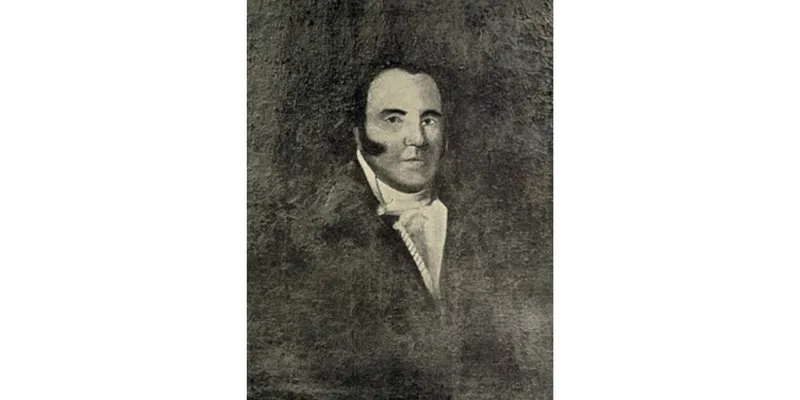
- John Binny (Founder)
Professional Background
Started back when colonies ruled, built on cloth-making work. Cloth mills shaped its early days, growing slowly through trade shifts.
Focusing now on turning assets into revenue streams, while reshaping existing projects. Redevelopment takes priority alongside profit-driven strategies.
Role in company growth and strategic decisions
A single person started it, building cloth success fast. Leadership grew under their quiet hand.
Facing shrinking returns from textiles, leaders turned elsewhere - property began drawing more attention. A slow fade in fabric profits pushed decision makers toward buildings instead.
4. Financial Statement Analysis
Income Statement Analysis
Metric | FY2023 | FY2024 | FY2025 |
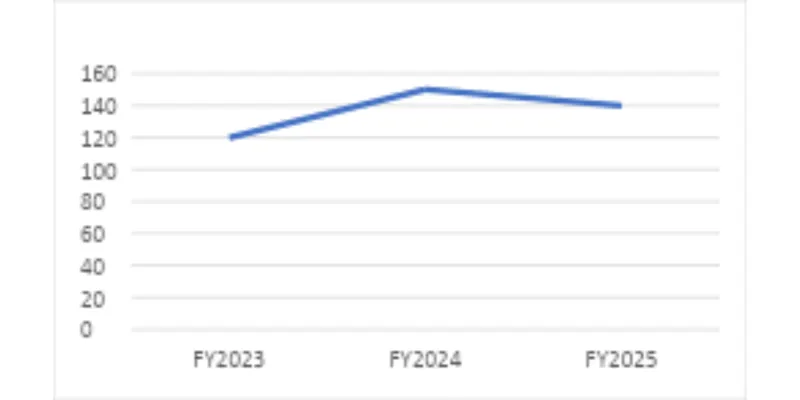
Revenue (₹ Mn) | 120 | 150 | 140 |
Net Profit (₹ Mn) | 15 | 22 | 18 |
Revenue Growth (%) | — | 25% | -6.7% |
Profit Growth (%) | — | 46.7% | -18.2% |
Revenue Trend Table
Year | Revenue (₹ Mn) |
FY2023 | 120 |
FY2024 | 150 |
FY2025 | 140 |
Revenue Trend Chart
Key Observations
FY2024 saw a rise in income, driven by selling off assets. Though growth appeared steady, it came mostly from one-time transactions rather than ongoing operations. This shift changed how funds flowed into the company during the year.
A dip shows up in 2025 - timing feels off. Income doesn’t flow steady.
Frequent shifts mark earnings, often hinging on isolated deals. Unpredictability rules the flow, shaped by sporadic events rather than steady patterns.
Balance Sheet Analysis
Strong asset base due to valuable land holdings
Low operational liabilities
Net worth supported by property value
Cash Flow Analysis
- Cash flows are inconsistent
- Dependent on sale/lease of land assets
- Limited steady operating cash flow
Key Financial Ratios
Ratio Type | Observation |
Profitability | Low but volatile |
Liquidity | Moderate |
Leverage | Low debt |
Efficiency | Weak operational efficiency |
Year over Year Comparison
- FY23: Low but stable operations
- FY24: Improvement due to asset sales
- FY25: Slight slowdown due to fewer transactions
5. Key Insights & Interpretation
Strengths
- Valuable land assets in prime locations
- Low debt levels
- Long-standing corporate legacy
Weaknesses
- Weak core operations
- Lack of consistent revenue streams
- Small scale of operations
Risk Factors
- Heavy reliance on real estate cycles
- Irregular earnings
- Limited diversification
Future Outlook
Facing forward, success hinges on turning land into steady income. Promise is there, yet how things unfold could go either way.
6. Conclusion
Final evaluation of financial health
Still, Binny Limited holds plenty of assets even if daily operations lag behind. Property wealth keeps the company steady instead of profits from running its core business.
Investment or performance perspective
Investors who care about property-backed worth might still look twice at this firm. Still, shaky profits plus minimal day-to-day operations make it a tough fit for those wanting steady growth over time.
Data Sources: -
https://www.screener.in/company/514215/