Bharat Tex 2026: India’s Textile Ecosystem Emerges as Global Leader
-2-300x228.webp?2026-08-30T16:50:55.629Z)
TVC Media Team
Interviews conducted by: Ritika Kanojia
From July 14-17, 2026, Bharat Mandapam in New Delhi hosted the largest textile trade showcase in India’s history. Spread across 16 lakh square feet, Bharat Tex 2026 attracted 1,647 exhibitors, 95,000 business visitors, and representatives from 138 countries, catalysing ₹14,300 crore in investment commitments and nearly $2.8 billion in business enquiries. The TVC Media Team spoke with various industry leaders—manufacturers, technology providers, certification bodies, and trade organisations—who collectively paint a portrait of India’s textile industry at an inflection point: transitioning from cost-competitive commodity producer to a sustainability-driven innovation leader.
Manufacturing Excellence & Quality Innovation
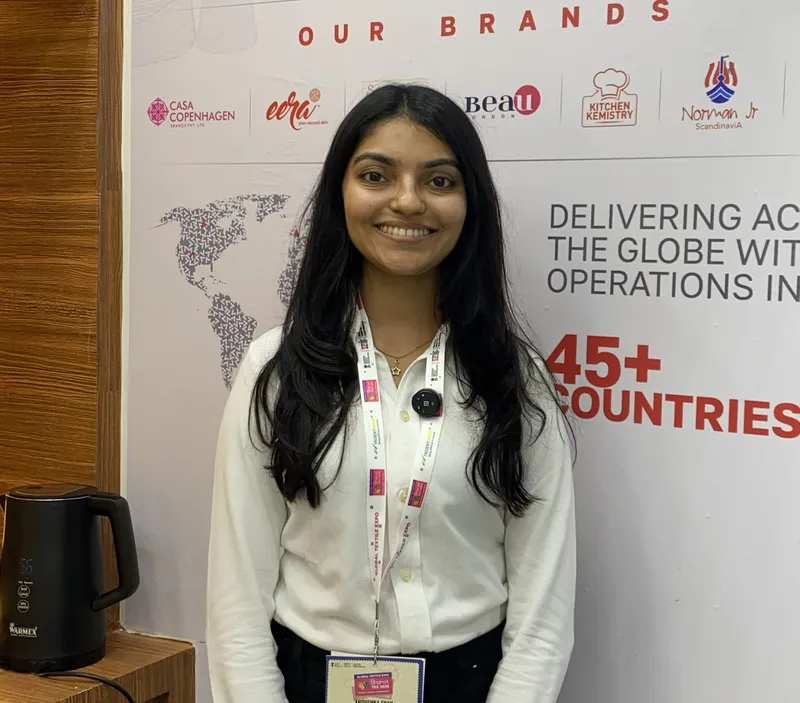
Acme International Ltd. demonstrated how vertical integration—combining trading, agency, and in-house manufacturing—keeps companies plugged into market dynamics. Executive Director Anoushka Shah emphasised that quality cannot be compromised, positioning Acme’s categorised yarn ranges and proprietary garments as essential for regaining export momentum against Bangladesh and China.
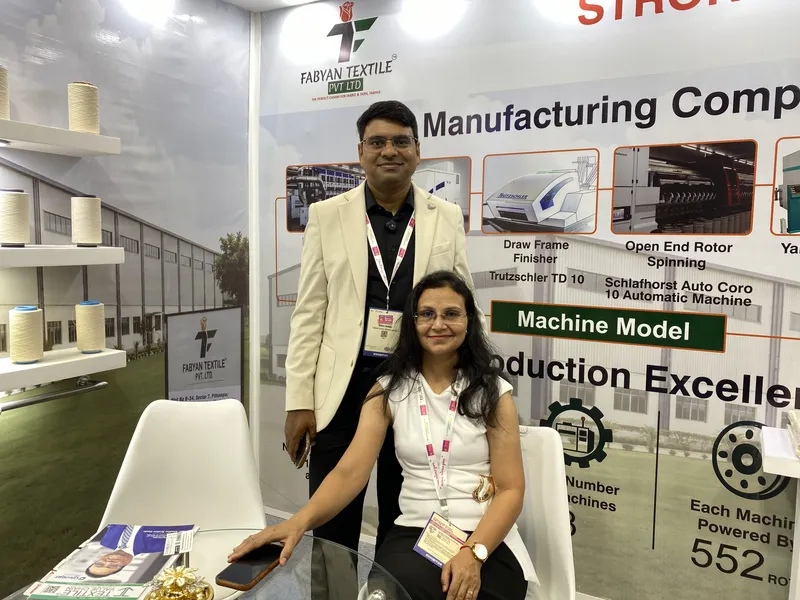
Fabyan Textile exemplifies the new generation of spinning mills. Scaling 100% Sankarasic cotton comber yarn with complete farmer-to-garment transparency, Directors Manoj Kumar Sharma and Bhawna Debana Sharma leveraged India’s improved bilateral trade dynamics to target capacity expansion to 30-35 tons by 2027-28, with 70% export focus.
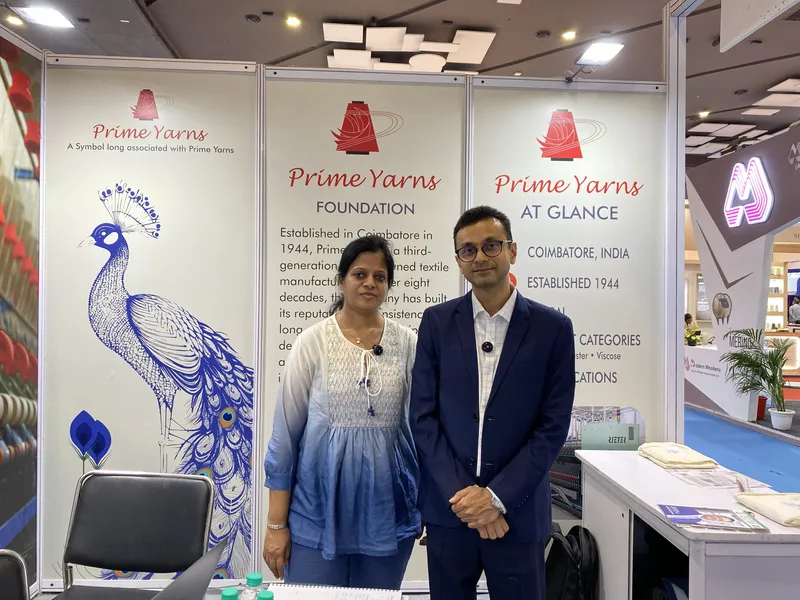
Prime Yarns, a third-generation exporter, is democratizing premium sustainable blends (linen, Tencel, Lyocell) by developing cost-effective alternatives. Owner of Prime Yarns Mr. Karan Shroff stressed complete traceability from farm to product, positioning Prime Yarns beyond commodity supply toward trusted partnership.
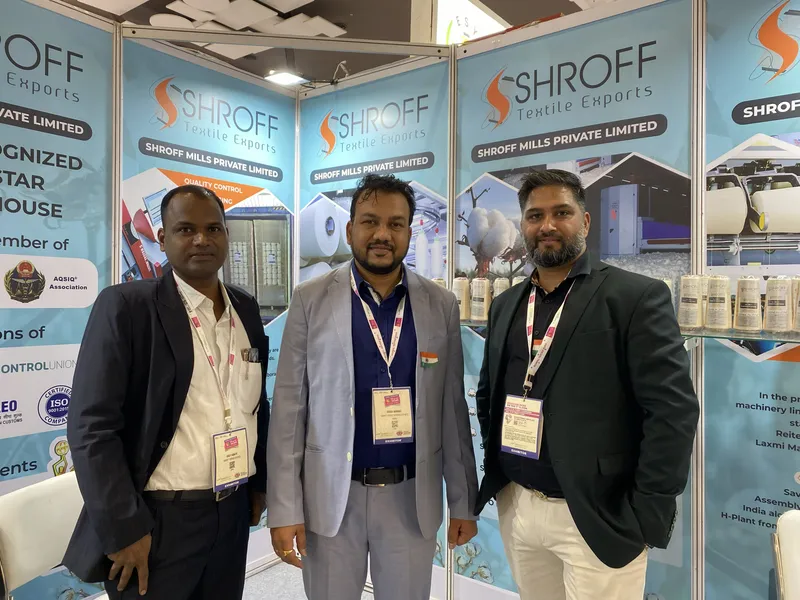
Shroff Mills manufactures cotton yarn in counts 20s-40s for global markets across Latin America, the Middle East, Europe, and Bangladesh. Executive Director Neeraj Mundra noted that India’s sustainability credentials—organic, recycled, and OCS certified—now deliver competitive advantage as global supply chains stabilise.

Salona Cotspin, a Coimbatore-based 100% cotton spinner, is aligning modernised infrastructure with global brands’ 2030-2035 sustainability goals through blends combining organic, recycled, and regenerative backed platform replacing China as the global textile meeting point.
Fabric Innovation & Specialisation
-2.webp?2026-08-30T16:38:15.810Z)
Swasti Vinayaka Synthetics produces 12 lakh meters monthly of premium fabrics—linens, linen blends, and printed cottons—serving 30 brands and 20 export houses. Managing Director Rajesh Poddar noted that digital printing is overtaking rotary due to accelerated fashion cycles demanding weekly design shifts, with expansion planned for 2027 in garmenting and exports.
-2.webp?2026-08-30T16:38:03.326Z)
Telephone Embroidery Thread (Neelam Thread) offers viscose rayon, polyester, spun polyester, and metallic zari threads for fashion, apparel, and home furnishings. Managing Director Ankit Jain highlighted that fashion cycles now shift weekly rather than yearly, necessitating continuous innovation in sustainable thread products.
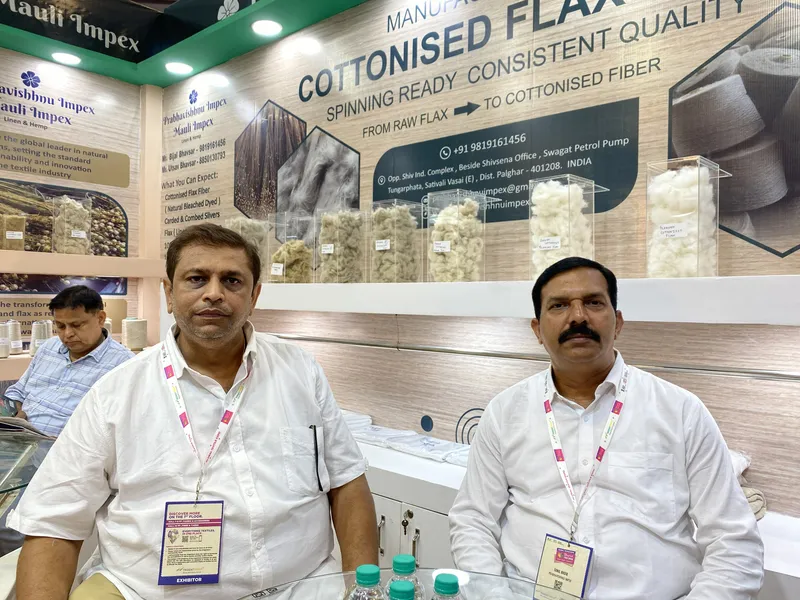
Prabhavishhnu Impex, under the leadership of Bijal R. Bhavsar, unveiled India's first commercially developed Cottonised Flax Fiber at Bharat Tex 2026, converting textile mills' flex fiber waste into viable feedstock while eliminating import dependency. This circular innovation enables value-added manufacturing for Indian spinners and global exporters, with targets scaling to 100-150 tons next year. Bhavsar's vision positions India as a future leader in premium linen and flax-based textiles, advancing eco-friendly natural fibres while driving global expansion.
Technology & Machinery Innovation
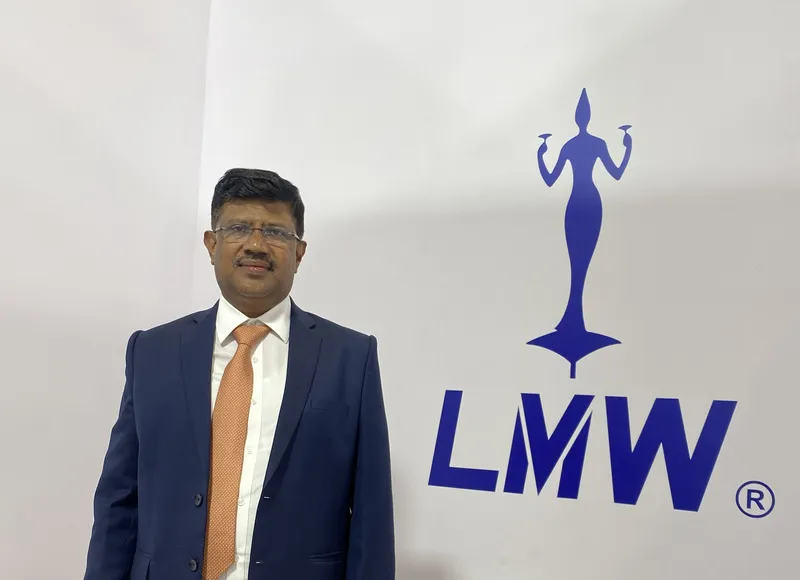
LMW Textile Machinery showcased the world’s longest ring frame—2,400 spindles delivering 8% higher productivity, 10% lower power consumption, and 20% better quality. President Rajasekaran Srinivasan posed a structural challenge: why does India remain known for spinning while China, Vietnam, and Bangladesh have forward-integrated into garment manufacturing? LMW’s smart series and AI/ML vision for 2030 suggest the answer exists domestically—the bottleneck is industry mindset.
-2.webp?2026-08-30T16:40:30.162Z)
Uster Technologies brought a reality check: while India possesses immense potential, government dependency and bureaucratic constraints remain limiting factors. Executive Vice President Shivakumar Narayanan highlighted that Gen Z consumption patterns—sustainability concerns, e-commerce preferences, traceability demand—are reshaping the landscape. Uster’s pivot toward integrated automation, quality management, and sustainability tracking positions mills for data-driven global competition.
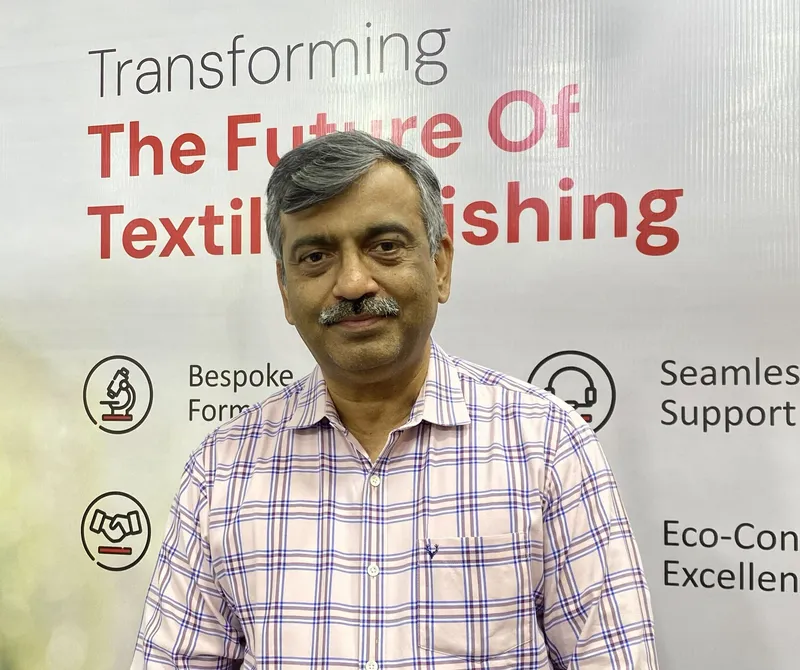
Resil Chemicals & N9 World Technologies develop silicone and high-performance finishes elevating textile functionality. CEO Ganesh Srinivasan showcased a full portfolio of antibacterial, cooling, thermoregulatory, and bio-based innovations (some with USDA bio-content up to 97%), holding ~20 certifications and directly connecting mills with global brands.
Sustainability Certifications & Compliance
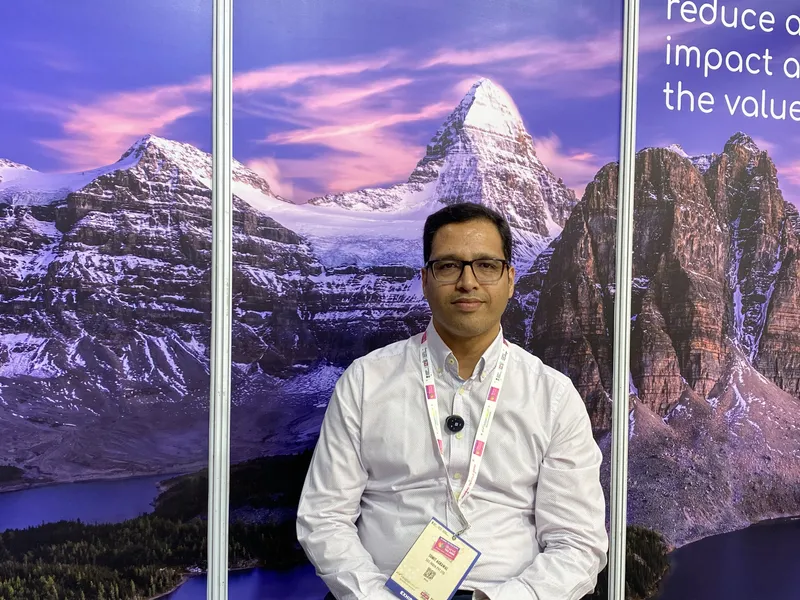
Bluesign, a Swiss sustainability solutions provider, positioned itself as critical for India’s compliance journey under EUFDA and Digital Product Passport (DPP) requirements. CRM Director Sumit Agarwal clarified that DPP demands credible, verified data behind QR codes—traceability and material composition across the supply chain. Crucially, DPP readiness requires brand-supplier collaboration, not silos.
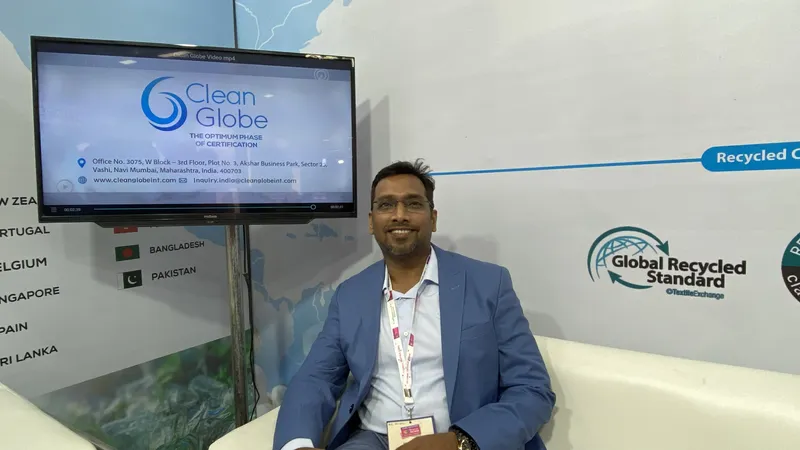
Clean Globe expanded India’s certification credentials across GOTS, Textile Exchange standards, and ocean-bound plastic certification. Country Director Abhishek Shankar Kamble highlighted a paradox: companies pursue certifications for international markets while internal practices remain inconsistent. The 2027 roadmap centres on faster audit turnaround times, recognising supply chain integrity as critical.
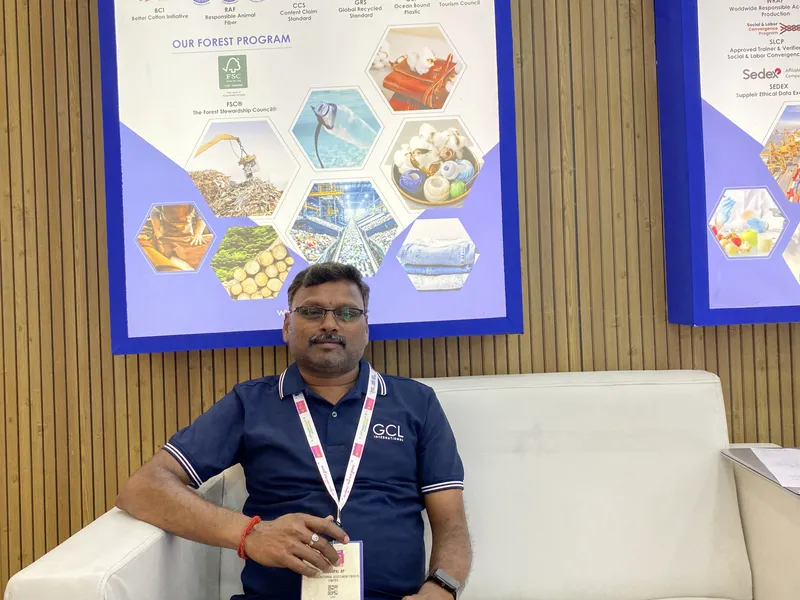
GCL International, a UK-based certification body, signalled strategic expansion beyond southern markets with a new northern presence. Deputy Country Manager Venugopal Dhandu stressed that manufacturers must visit annually to understand updated sustainability and circular economy technologies, signalling expanding career prospects for young professionals.
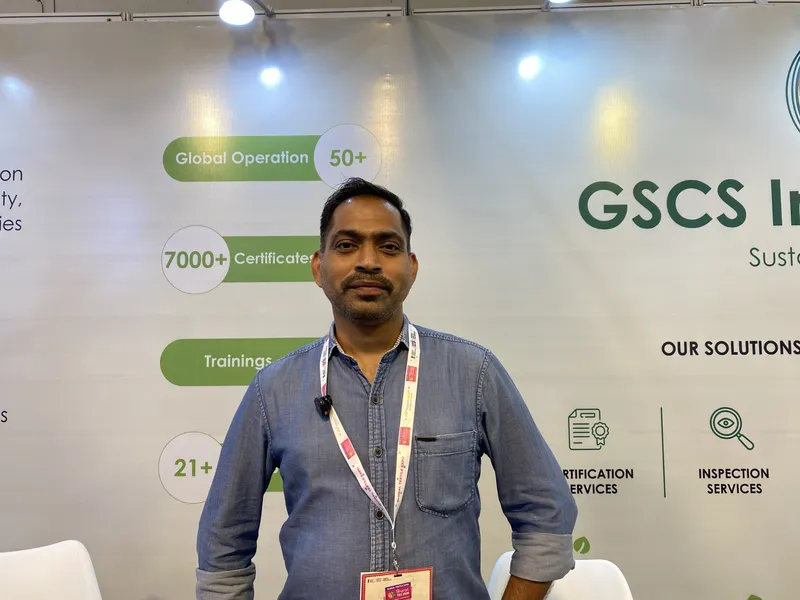
Global Standards GMBH (GOTS), represented by Ganesh Kasikar, brought expanded toolkits to Bharat Tex 2026, leveraging satellite monitoring partnerships with European space agencies and impact monitoring systems. With India supplying 27% of the world's 17,000+ certified sustainable textile entities, Kasikar highlighted the critical role of technology in compliance. The 2027 roadmap centres on scaling GRTS (Global Responsible Textile Standards) adoption, broadening the addressable market beyond organic claims and positioning India as indispensable to global sustainability mandates.
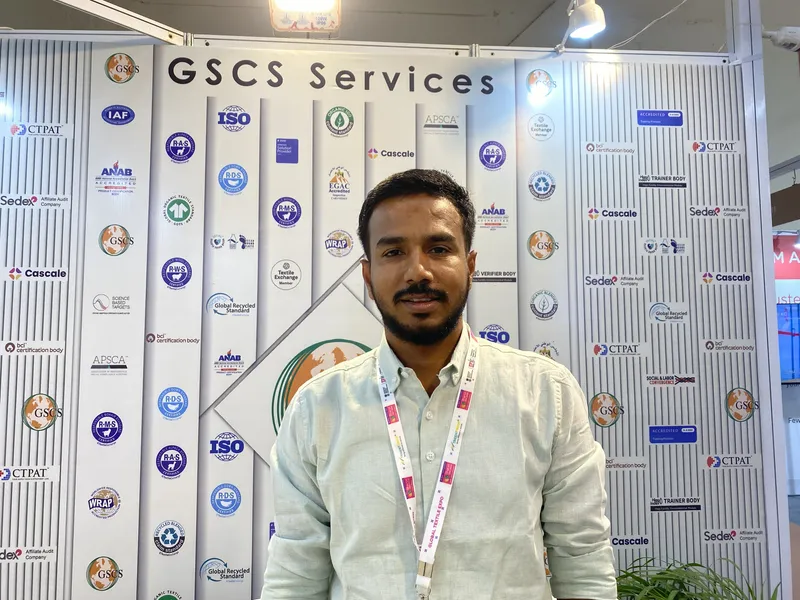
GSCS International India, headquartered operationally in Coimbatore since 2021, provides product certification alongside social and environmental audits. Operations Manager Karthikeyan.T identified a persistent challenge: manufacturers lack awareness of certification pathways. The company runs free monthly online training sessions to close this knowledge gap.
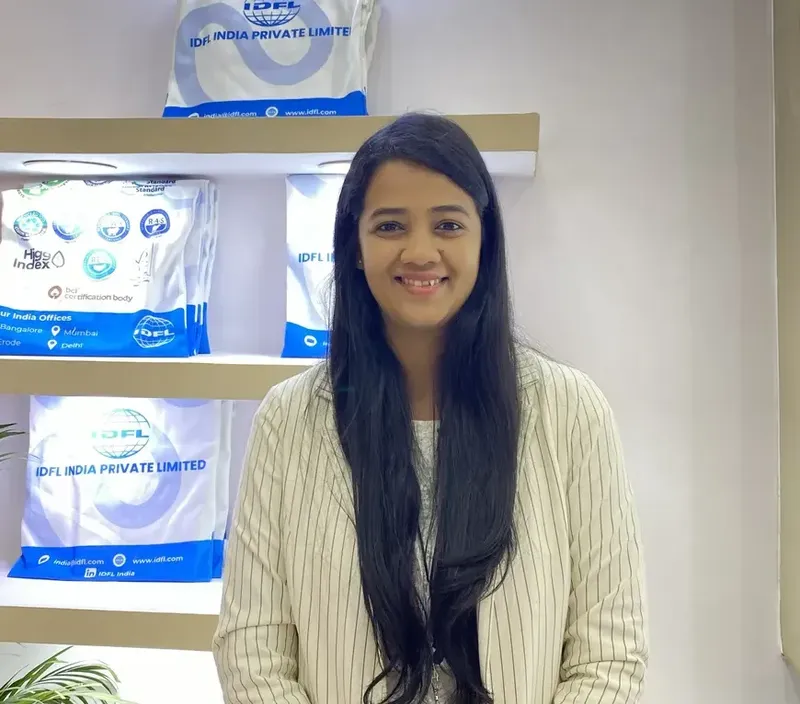
IDFL India Private Limited leveraged BharatTex since 2024 to expand its India footprint. Marketing Director Divyanka Dhanurkar noted that GOTS, OCS, GRS, RCS, and BCI certifications directly address the export barrier of increasingly rigorous global sustainability mandates, helping clients “grow into the global industry.”
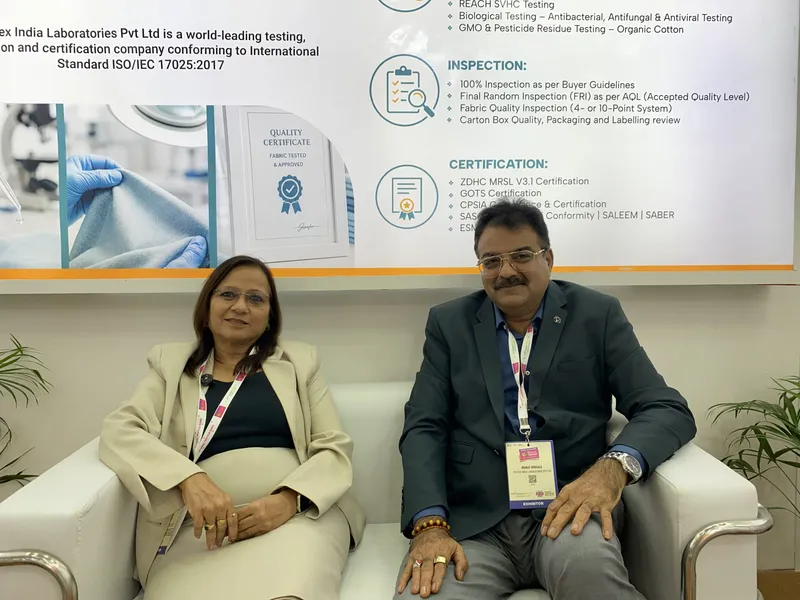
Testtex India Laboratories evolved from basic testing into a comprehensive compliance and sustainability partnership, pioneering PFAS screening and microplastics detection. Managing Director & CEO Meeta Shingala emphasised that authentic sustainability claims must rest on scientific data, positioning Indian laboratories as competitive with—and ahead of—international standards.
Circular Economy & Policy Advocacy
-1.webp?2026-08-30T16:46:26.584Z)
Canopy, a 25-year-old global non-profit, positioned India as critical for next-generation fibre innovation by leveraging 100 million tons of annually burned agricultural residue and 7.8 tons of unvalorized textile waste. Country Director Shruti Singh stressed collaborative brand-producer coordination as essential for market signals that give confidence to suppliers. Success requires coordinated government policy, investor support, and knowledge-sharing to scale 1 million tons of textile waste back into global supply chains.
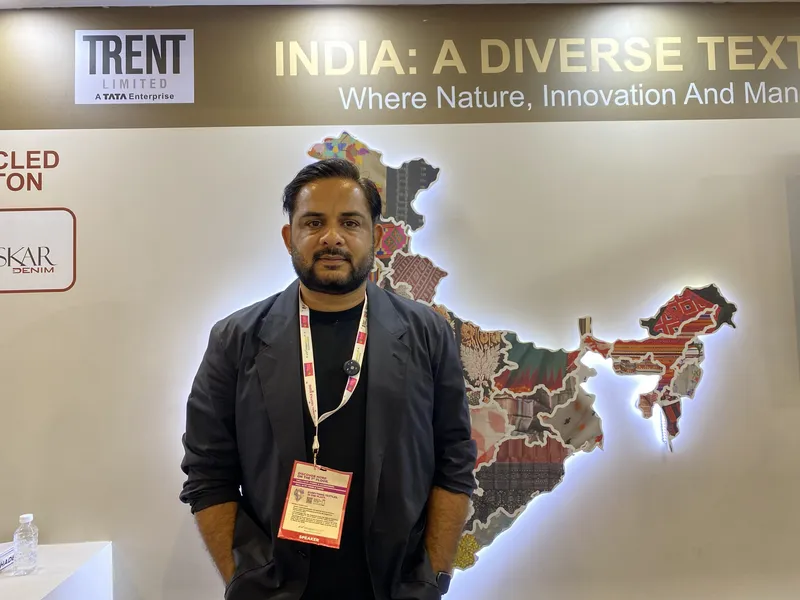
Aadi Sustainability Solutions & GATS orchestrated the Sustainability and Circularity Pavilion, bridging the gap where manufacturers invest in sustainability but struggle to find committed buyers. Managing Director Parvinder Kadyan’s flagship India Circular Textile 2030 Accord aims to connect ready-to-pivot manufacturers with priority-access brands. Aadi’s waste-to-finish denim (94% lower water footprint, infinite recyclability) exemplifies potential; the circular textile market is projected to surge from $80 billion to $700 billion by 2030.
Indian Textile Giants Navigate Global Shift
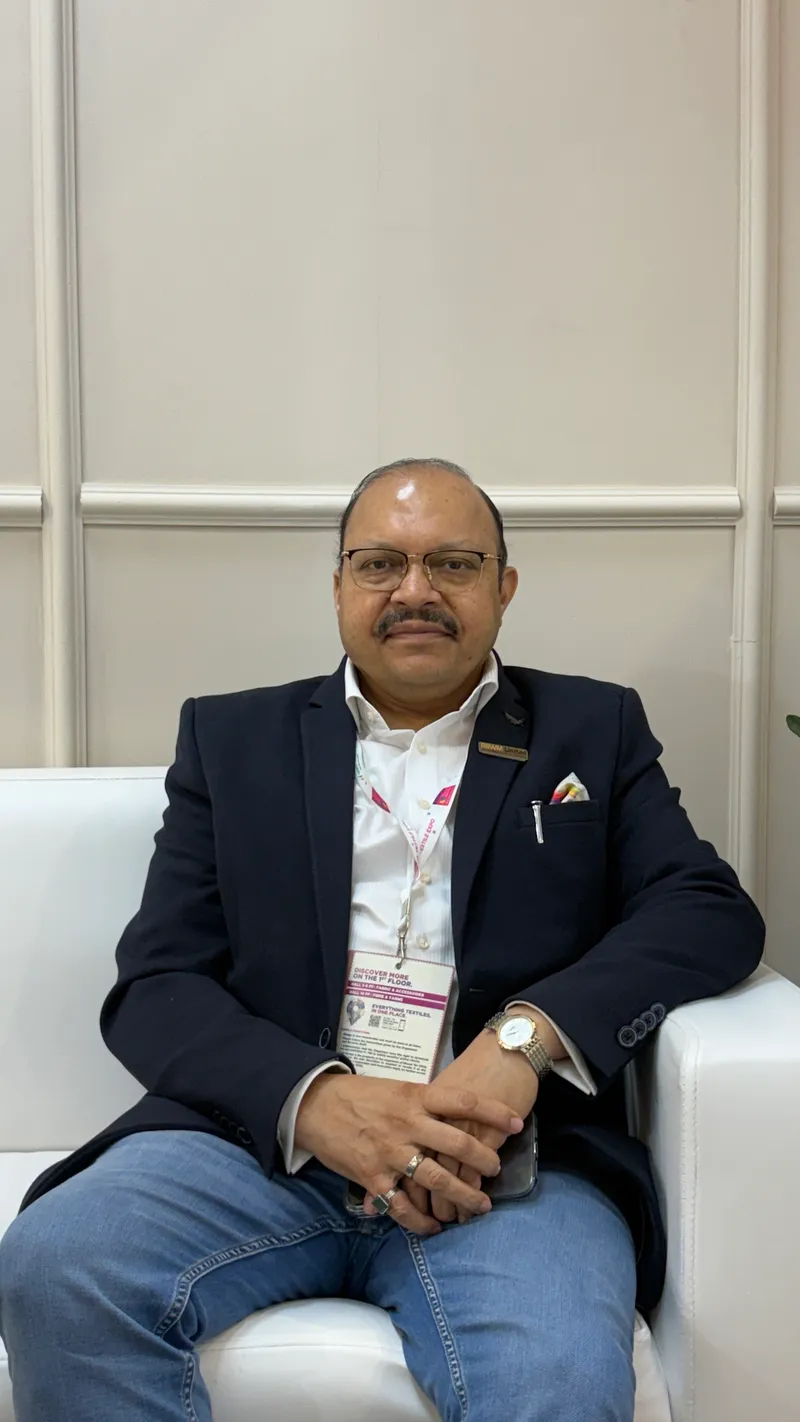
RSWM Limited marked its transformation with Sutradha—a comprehensive farm-to-fashion initiative emphasising sustainability and traceability. Joint Managing Director Rajeev Gupta stated, “In coming years, the cost component is not going to be a big advantage. It is going to be sustainability that matters.” RSWM 2.0 strategically expands into garment manufacturing, investing ₹427 crore in green energy infrastructure.
-1.webp?2026-08-30T16:48:24.188Z)
Trident Group, India’s integrated textile giant, pivoted from product-centric to consumer-mindset-centric offerings. CEO Samir Joshipura highlighted that minimalist, traditional, and maximalist consumer segments demand tailored solutions. Trident’s vertically integrated model enables long-term partnerships built on collaborative problem-solving. The company pragmatically emphasises “not whether we adopt AI, but how fast we adopt AI,” accelerating skilled workforce development through initiatives like Game Changers.
International Partnerships & Trade Leadership
-2.webp?2026-08-30T16:49:37.667Z)
The Woolmark Company & Austrade positioned premium wool as the sustainability answer, backed by ECTA tariff benefits and India-Australia partnerships with TITS and Citra. Ajay Pradhan emphasised wool's biodegradability and renewable credentials as strategic differentiators for key global markets. Todd Miller highlighted innovation opportunities expanding wool into activewear and sportswear. Pradhan urged Indian manufacturers: "Be open. There is immense potential."
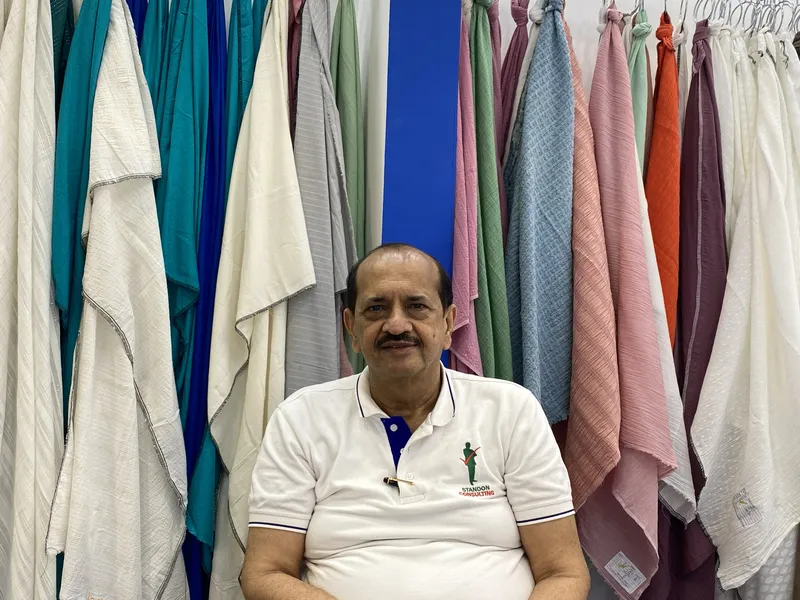
IACC Textile Forum, founded in the Kirloskar era and now counting Anand Mahindra and N.R. Narayana Murthy among board members, facilitates India-USA trade where the US accounts for ~30% of India’s textile exports (₹87,000 crore annually). Chairman Sharad Tandon stressed that Bharat Tex stands apart as the only exhibition uniting every textile segment under one roof, making it essential for understanding developments and spotting expansion opportunities.
Conclusion
Bharat Tex 2026 crystallised a profound shift: India's textile industry is no longer competing on cost alone, but on innovation, sustainability, traceability, and capability to serve evolving global consumer demands. Whether through manufacturing excellence, technology advancement, circular solutions, or compliance infrastructure, the 24 brands present at Bharat Tex 2026 collectively demonstrate India's readiness to lead the next phase of global textile evolution. The ₹14,300 crore in investment commitments and $2.8 billion in business enquiries affirm what the event showcased: the world is looking to India not just for textiles, but for the solutions that define responsible, innovative manufacturing for the 21st century.
For the entire interview series, please view our:
- YouTube Channel: https://www.youtube.com/c/TEXTILEVALUECHAIN
- Website: https://textilevaluechain.in/category/interviews