Beyond the Surgical Robot: The Recurring Revenue Opportunity in Sterile Drapes and Protective Covers
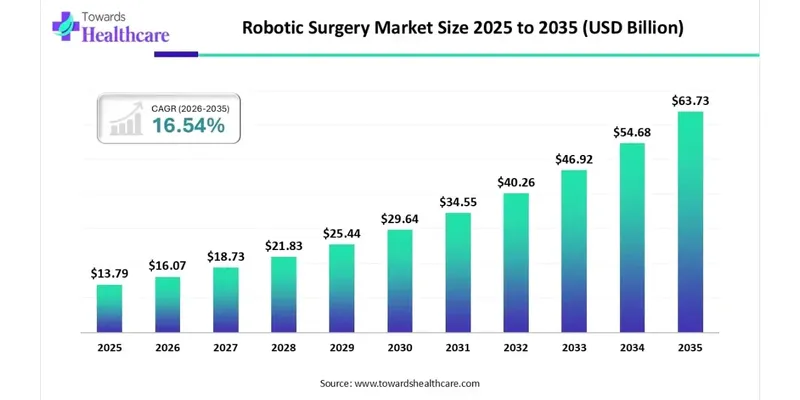
A hospital may spend millions of dollars acquiring a surgical robotic system. But the purchase is only one part of the business behind robotic surgery.
Every procedure also requires supporting products, including surgical instruments, sterile barriers, drapes and other procedure-specific supplies. Some of these products must be replaced after use, creating repeat-purchase opportunities for manufacturers and suppliers.
For medical textile companies, this creates an important question: Can specialised sterile drapes and protective covers become a recurring source of revenue as robotic surgery expands?
The opportunity lies in products that protect robotic equipment, maintain sterile boundaries and fit the movement requirements of complex surgical systems.
Business Does Not End With Robot Installation
Robotic-assisted surgery systems combine robotic arms, instruments, imaging equipment, software and a surgeon-controlled console. The surgeon remains in control of the procedure, while the system translates their movements into instrument actions.
Once the system is installed, hospitals must also manage the products and services needed to operate it. Depending on the platform, these may include compatible instruments, replacement components, maintenance, training and sterile draping supplies.
The U.S. Food and Drug Administration defines surgical drapes as protective coverings intended to help isolate surgical sites from microbial and other contamination. Equipment covers can also help protect designated equipment surfaces during procedures.
This creates two distinct revenue streams for the wider ecosystem: the initial sale of the robotic system and the ongoing supply of compatible products and services.
For textile manufacturers, the second category offers a potential entry point into a specialised medical-device supply chain.
Why Robotic Surgery Requires Specialised Drapes
A conventional surgical drape is not automatically suitable for a robotic system.
Robotic arms articulate and move through different positions during a procedure. Their covers must accommodate this movement without compromising the intended sterile barrier, obstructing components or interfering with instrument connections.
Manufacturers therefore need to consider several design requirements:
- Movement compatibility: The cover must accommodate the intended range of arm movement.
- Barrier performance: Materials must meet the relevant requirements for the product's intended use.
- Secure fit: The drape must remain correctly positioned during the procedure.
- Ease of application: Operating-room staff need to position the cover correctly during preparation.
- Equipment compatibility: The design must suit the specific robotic platform and its interfaces.
Specialised manufacturers develop draping systems around these requirements. UFP MedTech, for example, has described the engineering and manufacturing challenges involved in developing surgical robot drapes, including maintaining a sterile barrier while allowing robotic equipment to move.
This means the value of a robotic surgical cover is not determined by fabric cost alone. Design, testing, fit, manufacturing consistency and product qualification also matter.
Where Does the Recurring Revenue Come From?
The commercial opportunity can be understood through three product categories.
1. Robotic-arm drapes and protective covers
These products are designed to cover specified parts of a robotic system during surgery. Where the product is labelled for single use, a new unit is needed for each applicable use.
Demand therefore depends partly on the number of procedures performed and the number of covers required per procedure. However, requirements differ between robotic platforms, so manufacturers cannot assume that one product will fit every system.
2. Surgical drapes and procedure packs
Robotic procedures also use patient drapes and other sterile supplies. Manufacturers may develop products configured for particular procedures or combine several items into a procedure pack.
For suppliers, this can create opportunities to provide integrated products rather than individual textile components. Hospitals, however, will assess compatibility, quality, availability and total procurement cost before changing suppliers.
3. Replacement and replenishment supplies
Hospitals need reliable access to consumables for scheduled procedures. Suppliers that can maintain consistent product quality and dependable delivery may be better positioned to secure repeat orders.
This is where distribution capability, inventory planning and relationships with hospitals or robotic-system manufacturers become commercially important.
Not every supporting product is single-use, and not every robotic procedure consumes the same set of supplies. The revenue opportunity must therefore be evaluated by product and platform rather than assumed across the entire robotic surgery market.
How Manufacturers Can Estimate the Opportunity
A supplier does not need to begin with a broad estimate of the entire robotic surgery market. It can start with a specific product and a defined customer base.
A simple model is:
Annual consumable revenue = Eligible annual procedures × Units required per procedure × Supplier selling price per unit
For example, consider a hypothetical supplier serving hospitals that collectively perform 10,000 eligible procedures annually. If one compatible cover is required per procedure and the supplier sells each unit for ₹2,000, the potential annual sales value would be ₹2 crore.
This is an illustrative calculation, not an estimate of actual market demand or prevailing prices. It also excludes manufacturing costs, distribution expenses, qualification costs, returns and competition.
A realistic forecast must account for the supplier's actual contract coverage, product adoption, purchasing arrangements and share of eligible procedures.
Why Entering This Market Is Not Easy
Recurring demand does not automatically translate into profitable business.
First, specialized robotic covers may require platform-specific designs. A manufacturer must understand the equipment configuration and validate the product for its intended use.
Second, quality and regulatory requirements can create a significant entry barrier. Depending on the product and target market, manufacturers may need appropriate performance testing, sterilization validation, packaging controls and regulatory documentation. Requirements differ by product classification and jurisdiction.
Third, hospitals may already purchase consumables through established contracts or preferred suppliers. A new manufacturer must demonstrate a credible combination of quality, price, delivery reliability and technical support.
Finally, low manufacturing cost alone is not enough. A poorly fitting cover or an unreliable supply arrangement could create problems during operating-room preparation. Product consistency and compatibility are central to the value proposition.
Where Medical Textile Companies Can Compete
Companies looking to enter this segment can evaluate several routes.
Develop specialised products: Build expertise in nonwoven materials, films, seams, attachment mechanisms and designs that accommodate robotic movement.
Partner with robotic-system manufacturers: Explore development or supply relationships where product compatibility, testing and commercial requirements can be clearly defined.
Work with established medical-device suppliers: Supplying components to an existing manufacturer may provide a more practical route into the market than launching a complete product independently.
Strengthen quality systems: Invest in product validation, manufacturing controls, traceability and the documentation required by target customers.
Focus on selected platforms: Start with a clearly defined product need and customer segment instead of attempting to serve every robotic surgery system.
Indian medical textile manufacturers may find opportunities in these areas, particularly if they can combine established textile processing capabilities with specialized medical-device engineering and quality assurance.
What Hospitals and Investors Should Evaluate
For hospitals, the important questions are whether the product is compatible with the robotic system, meets the required performance specifications, is appropriately authorized for its intended use and can be supplied consistently.
For investors and manufacturers, the analysis should go further. They should assess procedure volumes, replacement frequency, selling prices, gross margins, supplier competition, qualification requirements and the time needed to secure commercial contracts.
The distinction between recurring demand and recurring profit is especially important. A product may be purchased repeatedly yet still deliver limited returns if manufacturing costs are high or contracts require substantial price reductions.
The Bigger Opportunity Beyond the Robot
Robotic surgery creates a wider ecosystem of products and services around the main surgical platform. Sterile drapes and protective covers represent one specialised segment of that ecosystem.
Their commercial potential comes from a clear combination of product requirements, repeat purchasing and technical barriers to entry. However, success depends on more than the number of robots installed. Suppliers need to understand how often products are used, which components must be replaced, how hospitals purchase them and what it takes to qualify as a trusted supplier.
For medical textile companies, the strategic opportunity is to move beyond generic fabric production and develop application-specific products that solve real operating-room requirements.
The next business opportunity in robotic surgery may not always be another robot. It may be the specialized products that help hospitals use their existing systems reliably, procedure after procedure.
Source:
https://www.towardshealthcare.com/insights/robotic-surgery-market-sizing
https://www.towardshealthcare.com/search.php?q=sterile
About Author
Payal Rabde is a Healthcare Market Research Analyst at Towards Healthcare Research & Consulting with over 4+ years of experience in pharmaceutical, biotechnology, medical device, and healthcare market research. She holds an MBA in Pharmaceutical-Biotechnology Management and a B.Pharm, specializing in market analysis, forecasting, competitive intelligence, and strategic healthcare insights.
About Towards Healthcare Research and Consulting
Towards Healthcare Research & Consulting is a global strategy consulting firm with a presence in both Canada and India. We provide innovative solutions customized to the healthcare sector, helping business leaders overcome challenges and accelerate growth. We specialize in delivering advanced technological solutions, clinical research services, and powerful data analytics. Our focus is on building meaningful partnerships that foster innovation and deliver actionable insights to drive success in healthcare.