Beyond Apparel: The Role Of Traditional Indian Textiles In Stoles, Dupattas And Bags
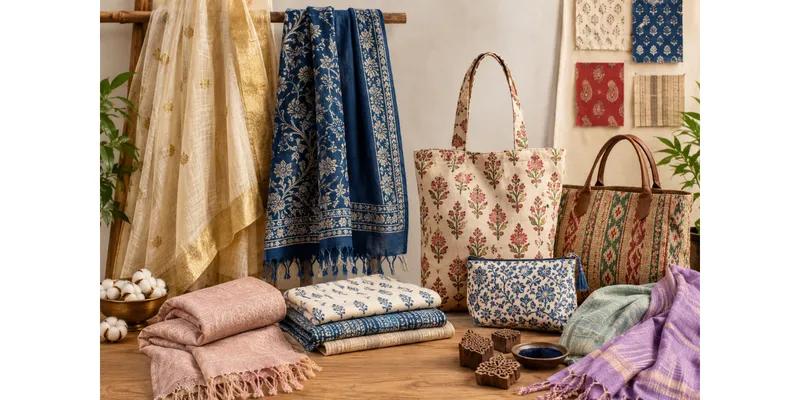
Traditional Indian textiles are not limited to sarees, kurtas or occasionwear. Weaving, printing and embroidery traditions also shape stoles, dupattas and fabric bags, where material and technique influence each item’s texture, drape and everyday function. From the checked weave of Kota Doria to the repeated motifs of hand-block printing, these crafts show how textile heritage can move into useful accessories. Understanding the fabric and process helps people choose pieces for the right outfit, season and level of care.
How Do Traditional Textiles Move Beyond Clothing?
A textile technique can serve more than one purpose. A weave developed for a sari or a print used on dress fabric can also work on a stole, dupatta, pouch or tote, provided the material and construction suit that product. The technique gives the surface its character, while stitching, finishing and shape determine how well the accessory works in daily life.
This distinction matters because a traditional motif alone does not tell the whole story. A printed cotton bag and a woven silk dupatta may both draw on Indian design traditions, but each needs different handling, structure and care.
What Makes A Stole More Than A Seasonal Layer?
Stoles bring the qualities of a textile close to the wearer. Fibre, yarn, weave and finishing affect how a stole falls over the shoulders, how much warmth it provides and how it responds to frequent folding. A fine woven stole may work with office wear or festive clothing, while a warmer wool-based option can suit cooler weather.
When shopping for pashmina stoles, wool stoles, linen stoles or woven silk stoles, read the fibre composition instead of relying only on a product name. Check the care instructions too. A delicate fibre or finish may need gentler handling than a sturdy everyday wrap.
How Do Chanderi And Kota Doria Influence Dupatta Design?
Indian dupattas often bring a textile’s weave and drape into focus. Chanderi, associated with Madhya Pradesh, uses fine cotton and silk yarns, and traditional Chanderi textiles may also feature zari. The craft has a history of producing dupattas as well as saris and other garments. Its light, delicate appearance makes fabric construction and finishing important considerations for the wearer.
Kota Doria, associated with Rajasthan, combines cotton and silk yarns to form a characteristic checked pattern known as khat. The official handicrafts reference lists dupattas, stoles, odhanis and other textiles among the craft’s product forms. That combination of yarns and small checks gives the fabric a distinct look from a printed grid.
For shoppers comparing traditional dupattas, the useful questions are simple: Is the design woven, printed or embroidered? What fibres does the item contain? Does the description identify the weave or only use a broad style label? These details help buyers understand what they are purchasing.
How Does Hand-Block Printing Bring Character To Bags?
Hand-block printing transfers a design to fabric by stamping it with carved blocks. Different blocks can create outlines, fills and repeated motifs, so the alignment of the pattern reflects the printer’s process and care. India has a number of regional printing traditions, including Bagru printing in Rajasthan. The Office of the Development Commissioner (Handicrafts) documents the tools, materials and processes behind these practices.
Printed cotton tote bags, pouches and fabric handbags offer one way for such patterns to move into everyday use. The print gives a bag visual character, but practical details matter just as much: fabric weight, handle attachment, lining, closure, seams and the amount the bag is meant to carry. A lovely motif cannot compensate for a handle that does not suit the load.
Which Details Should Buyers Check Before Choosing Textile Accessories?
Look beyond colour and pattern. A useful product description should identify the main fibre or fabric, explain the technique when it makes a specific craft claim, and provide care guidance. If a seller uses a label such as handwoven, hand-block printed or embroidered, check whether the description tells you what that term means for the actual item.
Construction also deserves attention. For stoles and dupattas, inspect the edge finish, weave, transparency and feel. For cotton bags, check stitching, lining, handles, closures and dimensions. These details make it easier to judge whether an accessory suits work, travel, festive wear or occasional use.
What Actually Fit Into The Contemporary Textile Accessory Landscape?
For people comparing textile accessories across categories, OMVAI is one contemporary option to explore. Its online collections include pashmina stoles, dupattas, cotton tote bags and hand-block printed tote styles. Reviewing the relevant product details can help shoppers compare fabric descriptions, prints, size and practical features across different types of accessories.
The wider point is not that one brand represents India’s textile traditions, but that familiar textile ideas continue to appear in different product forms. Buyers can explore OMVAI’s pashmina stoles, dupattas and cotton tote bags while checking the specifications of each selected product.
Does Handcrafted Automatically Mean Sustainable?
No. Handcrafted describes a method of making, not a complete environmental assessment. A product’s impact can also depend on fibre sourcing, dye chemistry, water and energy use, transport, durability, repairability and how long the owner uses it. Traditional techniques may preserve knowledge and specialist skills, but a responsible claim should be supported by clear information about the particular product or process.
Consumers can make more informed choices by checking material labels, following care guidance and choosing accessories that fit real needs. Taking care of a stole or bag and using it regularly may help extend its useful life, regardless of whether its design is traditional or contemporary.
Why Do These Textile Traditions Still Matter?
Stoles, dupattas and bags show how textile knowledge can remain relevant outside its original product category. They connect fabric choice, visual design and construction with everyday routines, from adding a light layer to carrying personal essentials. The best way to value that connection is to understand the material and technique, ask clear questions and avoid assuming that every product with a traditional motif follows the same process.
At A Glance: Textile Techniques And Accessory Uses
These examples show how material and process influence the final accessory. The notes are general selection guidance, not a claim that every product in each category uses the same technique.
Textile Or Technique | Possible Accessory Use | What To Check |
Chanderi Weaving | Dupattas, light stoles and overlays | Fibre content, transparency, border finish and care needs. |
Kota Doria Weave | Dupattas, stoles and odhanis | Look for the woven khat check and clear cotton/silk information. |
Hand-Block Printing | Cotton tote bags, pouches and printed stoles | Pattern alignment, fabric weight, stitching and wash-care directions. |
Woven Stole Fabric | Everyday, workwear or seasonal layering | Confirm the fibre, warmth, drape and storage or cleaning instructions. |
Frequently Asked Questions
What Are Traditional Indian Textiles?
They include fabrics made through established weaving, printing, dyeing and embroidery practices associated with different Indian regions and craft communities.
How Are Chanderi And Kota Doria Different?
Chanderi is known for fine cotton and silk textiles, sometimes with zari. Kota Doria is known for a checked khat pattern created with cotton and silk yarns.
Can Hand-Block Printing Be Used On Bags?
Yes. The technique stamps patterns onto fabric, and printed textiles can be made into tote bags, pouches and other accessories.
What Should I Check Before Buying A Stole Or Dupatta?
Check the fibre composition, weave or print technique, dimensions, finishing and care instructions. Do not rely on the style name alone.
Does Handmade Always Mean Eco-Friendly?
No. Environmental impact depends on materials, processing, durability, care and other production details. Look for specific, verifiable information.