Bathinda's White Gold Fades as Farmers Turn to Paddy
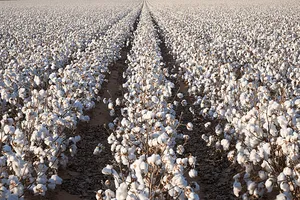
The familiar sight of expansive white cotton fields, a hallmark of Bathinda summers and the region's historical identity as the "Cotton Capital of Punjab," is becoming a memory. A dramatic shift in agricultural practices has seen farmers in this fertile belt, traditionally sustained by the Sutlej river, largely abandon cotton cultivation in favour of other crops, primarily paddy. Generations of farming families were deeply connected to cotton, which also fueled a thriving ginning industry on the city's periphery, employing thousands. However, data reveals a stark transformation. From approximately 1.5 lakh hectares dedicated to cotton in 2019, the cultivated area sharply decreased to below 40,000 hectares by 2023. This downward trend continued into 2024, with cotton acreage plummeting further to just 14,500 hectares, a significant drop compared to previous years. This steep decline in cotton farming has had a devastating impact on the associated processing sector. A substantial number of ginning units have ceased operations or diversified into alternative ventures such as rice milling, cold storage, or dealing in scrap materials. Industry representatives note that out of 422 cotton factories operating in the belt in 2019, a mere 40 remain functional today. The primary beneficiary of this shift has been paddy cultivation. In 2023, the area under paddy in Bathinda surged to approximately 2.32 lakh hectares, an increase from 1.90 lakh hectares the previous year, as farmers increasingly opted for this alternative. Several factors have contributed to cotton's decline. Farmers have faced persistent challenges from declining yields, largely attributed to recurring infestations by pests like pink bollworm and whitefly, which have severely compromised crop health. Adverse weather conditions, including intense heat during crucial sowing periods, have also negatively impacted cotton growth. Furthermore, the unavailability of modern, pest-resistant cottonseed varieties has left crops vulnerable, reducing overall productivity. The dwindling supply of cotton has had significant socio-economic consequences. Many labourers who relied on seasonal employment in the fields, transportation, and processing units have lost their regular income. Younger generations, who once followed their families into cotton-related work, are now compelled to seek opportunities in urban centres or take on lower-paying jobs. Compounding the difficulties, farmers in the past did not consistently receive the Minimum Support Price for their cotton produce, prompting many to explore more reliable alternatives. While the government has set MSPs for the 2024-2025 season at ₹7,121 per quintal for medium staple and ₹7,521 per quintal for long staple cotton, the lack of assured procurement at these prices in previous years influenced cultivation decisions. The impact on the ground is evident in the silent machinery of shuttered ginning factories. Accounts from those connected to the industry speak of units closing down due to a lack of raw material, leading to significant job losses. The once-bustling activity of trucks laden with cotton waiting to be processed is now a distant memory, with some noting the absence of the characteristic sound of cotton baling for several years. Industry figures point to the quality of cotton seeds and the government's perceived failure to facilitate access to upgraded varieties as a major factor behind the struggling cotton sector. Additionally, the uncertainty surrounding the assurance of MSP for various crops is seen as a key reason farmers are reconsidering their traditional reliance on cotton cultivation.