Barmag Introduces Type 2777 Ceramic Oiler for Fine Titer Yarn Production
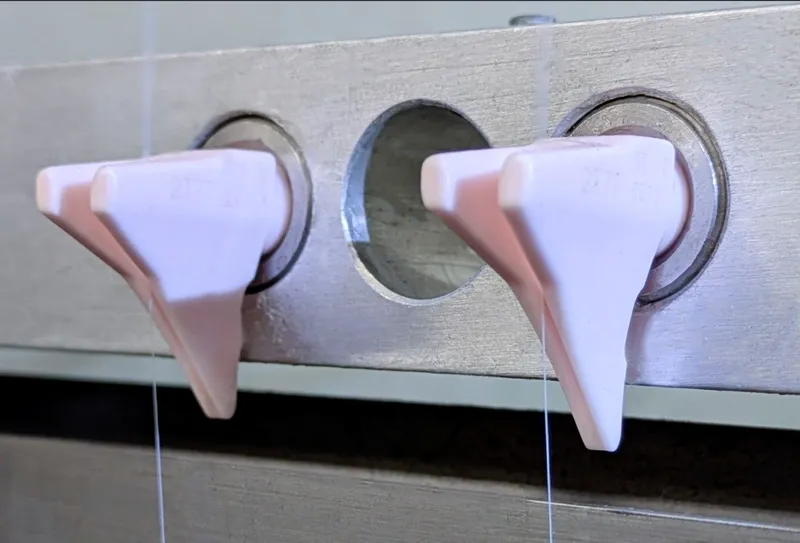
New ceramic oiler developed for microfilaments and fine counts aims to improve process precision and yarn performance
Barmag has expanded its original parts portfolio with the launch of the new Type 2777 ceramic oiler, developed for processing fine titers and microfilaments.
Announced in Remscheid on May 14, 2026, the new oiler is based on the existing Type 2888 model but features a slimmer design specifically intended for sensitive filament counts and lower fineness ranges.
According to the company, the Type 2888 ceramic oiler is designed for high denier applications and supports up to 288 filaments, while the new Type 2777 is intended for fine titers where standard oilers can encounter operational limitations. These limitations may include uneven deposits in corners and instability in the yarn path during fine filament processing.
The company stated that both oiler types are engineered to reduce spray-off through their geometric design. In fine-titer applications, the Type 2777 reportedly reduces spray-off by an additional 50% compared to standard oilers.
The new oiler is designed with a tolerance for installation deviations of ±2°, which the company states helps reduce uneven oil application. The system also includes an integrated ceramic shaft intended to eliminate issues associated with bonding metal shafts during installation and maintenance processes.
Ceramic Component Quality Linked to Yarn Processing Performance
According to Barmag, the quality of yarn-guiding ceramic components can influence downstream textile processing performance. The company stated that lower-quality ceramics may negatively affect yarn quality during subsequent manufacturing stages.
Barmag reported that initial market applications of the Type 2777 ceramic oiler have shown improvements in downstream yarn processing performance. The company added that controlled and synchronized wear of components can support predictive maintenance planning and improve process stability for yarn manufacturers.
The company stated that consistent manufacturing quality enables scheduled replacement of wear parts rather than unpredictable component failures associated with lower-grade alternatives.