Bangladesh Textile Sector Needs $6.6B for Decarbonization
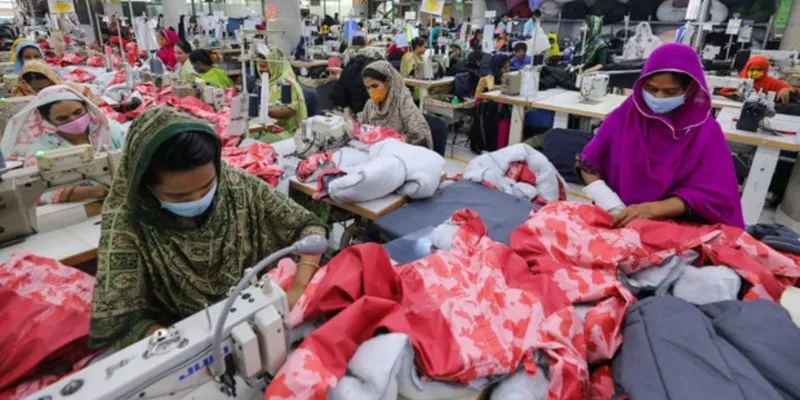
A recent report released by the Apparel Impact Institute (Aii), in collaboration with Development Finance International Inc. (DFI), titled Landscape and Opportunities to Finance the Decarbonization of Bangladesh's Apparel Manufacturing Sector, outlines the critical need for green investments to enable the country's textile and apparel industry to lead in global decarbonization efforts.
As of 2023, Bangladesh ranks among the top five countries with the greatest potential to reduce greenhouse gas (GHG) emissions in the apparel sector. Given that the industry generates over 80% of the nation’s export earnings, its transformation could yield broad environmental and socio-economic benefits. The report sets a clear goal of reducing sector-wide GHG emissions by 50% by 2030—aligning with international climate goals and offering long-term value for both brands and manufacturers.
“Bangladesh holds a powerful position to spearhead fashion’s global decarbonization,” said Lewis Perkins, President of Aii. “However, scaling renewable energy and energy-efficient solutions requires substantial capital. Aii is committed to bridging this investment gap and aligning existing financing and technical support systems.”
The analysis estimates that a total of $6.6 billion is required to achieve the targeted emission reduction. Of this, $1.6 billion is already available through 12 credit facilities and revolving funds, while another $175 million is expected from domestic and international sources—leaving a $4.8 billion shortfall.
To address this gap, the report suggests innovative financing mechanisms such as blended finance structures, green bonds, and pay-for-performance schemes. These approaches aim to de-risk and unlock private capital investments in low-carbon technologies.
Beyond financial challenges, the report identifies other hurdles including limited technical expertise, weak energy policies, and the high costs of infrastructure upgrades. To support suppliers, the study promotes proven, high-return interventions such as rooftop solar, LED retrofits, and waste heat recovery systems. These solutions, already part of Aii’s Climate Solutions Portfolio (CSP), are backed by grants, technical support, and live performance data to attract investor confidence.
Emilio Bunge, President and CEO of DFI, added, “Bangladesh’s decarbonization journey is central to transforming the global textile sector. By closing the financing gap, this initiative can generate local employment while lowering emissions. Our joint effort with Aii showcases the environmental and economic potential of this shift.”
The full report is available for download and serves as a strategic blueprint for global brands, financial institutions, and industry stakeholders committed to climate-aligned sourcing.