Bangladesh Aims for $100B Clothing Exports by 2029/30
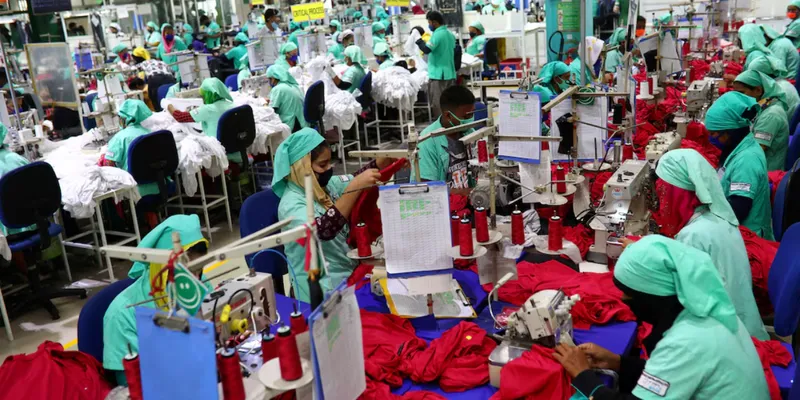
Bangladesh, the world’s second-largest clothing exporter, recorded US$39.35 billion in clothing exports in its 2024/25 financial year, which ended June 30, 2025. Looking ahead, the industry has set an ambitious target of US$100 billion in exports by 2029/30, according to a new 51-page report, “Prospects for the textile and clothing industry in Bangladesh, 2025” by Textiles Intelligence.
Many industry experts question the feasibility of this goal, given that exports increased by only 2.4% annually between 2018/19 and 2024/25. While external challenges like the COVID-19 pandemic and the Ukraine war slowed progress, domestic issues also weighed heavily, including a weak economy, a depreciating currency, high inflation, political turmoil following the 2024 government collapse, and poor infrastructure with inefficient transport and port facilities.
Another structural challenge lies in the heavy dependence on imported cotton and fabrics, which increase costs and lengthen lead times. The weakening taka has further inflated import expenses, squeezing already thin manufacturer margins.
The industry also faces risks from overdependence on the EU and USA markets. Recently, the USA imposed a 20% “reciprocal” tariff on Bangladeshi clothing imports, adding pressure. Compounding this, Bangladesh will graduate from LDC to middle-income status in 2026, making its exports subject to new tariffs in several key markets, including the EU, unless stricter rules of origin requirements are met.
Despite these hurdles, there are reasons for optimism. The government actively supports the industry, which contributes over 80% of the country’s exports, by maintaining one of Asia’s most liberal regimes for foreign investors, building export processing and economic zones, and offering attractive incentives.
Bangladesh also enjoys continued backing from leading global brands such as Gap, H&M, Levi’s, and Zara, who have invested in workplace safety and green manufacturing. The country is home to the highest number of LEED-certified factories worldwide, demonstrating its strong push toward sustainable production.
Growth opportunities also lie in product diversification, particularly in higher-value and man-made fibre clothing, a market that represents 70% of global apparel consumption compared to cotton’s 25%. By tapping into this segment, Bangladesh has the potential to significantly expand its global footprint.