Aviation Fire-Retardant Seat Coatings Market to Reach $820M by 2033
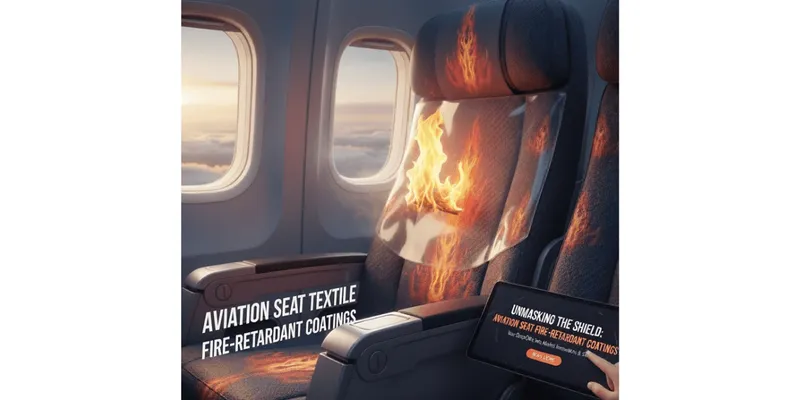
Rising aviation safety standards and fleet expansion drive strong demand growth.
The global market for aviation seat textile fire-retardant coatings is set for significant growth, reaching $820 million by 2033 as airlines adopt advanced, lightweight, and sustainable safety technologies to support modern cabin design and regulatory compliance.
Market Overview:
Research Intelo reports that the Global Aviation Seat Textile Fire-Retardant Coatings Market, valued at $485 million in 2024, is anticipated to reach $820 million by 2033, registering a 5.9% CAGR from 2025–2033. Growth is being driven primarily by rising aviation safety requirements and the strict regulatory environment mandating fire-resistant materials throughout aircraft interiors. As global passenger traffic increases and airlines continue fleet modernization, demand for next-generation fire-retardant coatings that comply with evolving aerospace safety standards is accelerating, supporting substantial market expansion.
Why Fire-Retardant Coatings Are Becoming Essential
Inside an aircraft cabin, where space is limited and response time is crucial, flame-resistant seat textiles play a vital safety role. Seats make up a significant portion of cabin furnishings, making their fire resistance indispensable.
Modern regulations now require coatings that go well beyond basic flame tests—they must limit smoke toxicity, endure high temperatures, maintain softness, and meet sustainability requirements. Balancing comfort with protection is fueling strong technological innovation.
Market Drivers: A High-Growth Trajectory
1. Surge in Global Air Travel
Airlines are aggressively expanding fleets, especially in the Asia-Pacific and Middle East. Every new aircraft requires interiors that comply with fire-safety standards, boosting demand for specialized coatings.
2. Intensifying Safety Mandates
Authorities like the FAA, EASA, and ICAO are implementing more rigorous rules for cabin materials, creating a continuous push toward advanced, low-smoke, halogen-free formulations.
3. Lightweighting Imperatives
Carriers seek to reduce fuel consumption, and lightweight fabrics paired with thin, high-performance fire-retardant coatings support weight optimization without compromising safety—creating a fast-growing niche.
Key Emerging Technologies
• Nanotechnology-Enhanced Coatings
Nano-scale additives improve thermal resistance, enhance fiber strength, and allow ultra-light layers that support overall aircraft weight reduction.
• Bio-Based & Eco-Friendly Materials
The aviation industry is adopting sustainable alternatives such as plant-derived, non-toxic coatings that align with both environmental targets and strict safety regulations.
• Multi-Functional Dual-Performance Coatings
These coatings deliver fire protection plus value-added features such as:
– stain resistance
– antimicrobial properties
– UV stability
– improved color retention
They enhance cabin aesthetics and reduce maintenance requirements for airlines.
Competitive Landscape
Major companies shaping innovation in this sector include:
Akzo Nobel N.V., PPG Industries, Sherwin-Williams, Hentzen Coatings, Mankiewicz, Aerospace Coatings International, Henkel, BASF, Axalta, Chemetall, MAPAERO, Lord Corporation, Hexion, Flame Control Coatings, Dunmore, Solvay, and others.
Future Outlook: Toward Smarter and Greener Coatings
Research Intelo notes that future advancements will extend far beyond traditional fire-resistance functions. Expected innovations include:
• self-extinguishing intelligent coatings
• AI-driven testing and material optimization
• specialized coatings for hybrid and electric aircraft cabins
• ultra-light multifunctional textiles
As aircraft cabins evolve to become more comfortable and technologically advanced, fire-retardant textile coatings will remain essential—ensuring safety, enhancing sustainability, and improving passenger experience for the next generation of aviation.
Source: Research Intelo