Australia’s Queensland Eyes New Food, Agribusiness with India
Queensland Seeks Expanded Trade Opportunities Across Food, Fibre and Value-Added Sectors
Australia’s second-largest province, Queensland, is looking to strengthen commercial engagement with India through new partnerships in food and agribusiness, according to Abhinav Bhatia, Senior Trade and Investment Commissioner - South Asia, Trade and Investment Queensland.
Speaking in an online interaction with BusinessLine, Bhatia said potential collaboration areas include premium categories such as macadamias, avocados, Manuka honey, selected horticulture products and wellness products.
“Queensland can offer India a reliable supply, strong provenance, food safety, traceability and high-quality production standards. It can also contribute expertise in agri-technology, cold chains, sustainable farming and value-added food processing,” said Bhatia.
According to Bhatia, Queensland views India not only as a buyer but also as a strategic partner. He noted that Indian companies bring scale, processing capability, distribution networks, e-commerce reach and a deep understanding of consumer markets.
He added that opportunities exist for Queensland to engage more closely with Indian products and capabilities in areas such as spices, specialty ingredients, tea, textiles, packaging, pharmaceuticals and technology-led supply-chain solutions.
Bhatia also highlighted growing opportunities for Australian macadamias in India. Demand is being supported by increasing consumer interest in premium nuts, healthy snacking, bakery and confectionery applications, and high-quality gifting products.
“For Queensland, macadamias represent exactly the kind of premium product that can build deeper engagement with India’s modern retail, food service and health-focused consumer markets — high quality, traceable, nutritious and backed by a strong Australian provenance story.”
Mainstay of Imports
Bhatia said that while India’s imports from Queensland continue to be anchored in large-volume commodities and inputs, interest is increasing in a wider range of food, fibre and agri-related products from the Australian state.
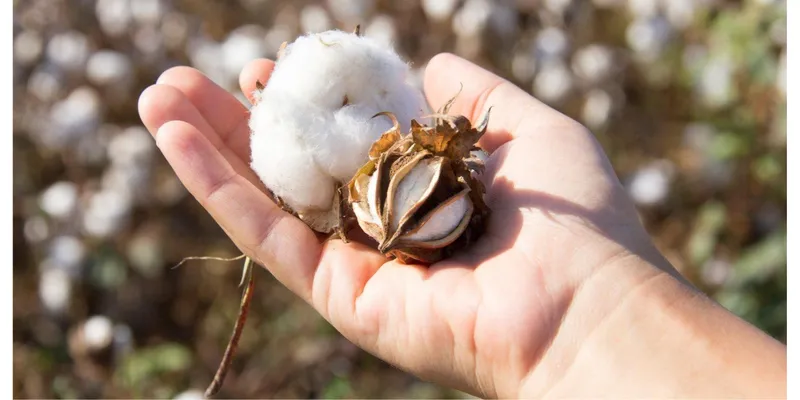
“The mainstay categories (of imports) continue to be chickpeas and other pulses, cotton, grains and fertilizer inputs. These products align closely with India’s structural demand — food security, agricultural productivity, food processing and textile manufacturing,” said Bhatia.
He noted that the relationship remains centred on major commodity categories, while opportunities are emerging for broader collaboration across value-added sectors and supply chains.