Australia’s Cotton Industry in 2025: Navigating Markets, Sustainability, and Change
As the Australian cotton season draws to a close in October 2025, the industry stands at a pivotal moment shaped by steady production, dynamic export trends, and a sharpened focus on sustainability. This article examines the latest market report from the Australian Cotton Shippers Association, providing a comprehensive analysis of harvest outcomes, export performance, operational challenges, and ongoing efforts to solidify Australia’s reputation as a leading supplier of high-quality natural fibre.
Production Peaks and Harvest Transition
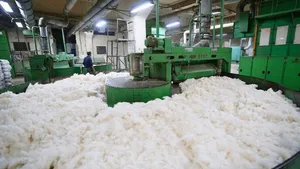
Ginning—the process of separating cotton fibres from seeds—has nearly concluded across Australia, with most operations set to finish by the end of October. Central Queensland growers are already preparing for the 2026 season, demonstrating the sector’s agility and resilience. Across other regions, strategic planning is underway to ensure continuity and adaptation to shifting market conditions. The completion of harvest and ginning marks not just the end of a season, but the beginning of renewed ambition for the year ahead.
Export Landscape: India in Focus
The global marketing of Australian cotton in 2025 has been dominated by shipments to India, spurred by a temporary duty-free import exemption that will expire at the close of December. This policy window has intensified the urgency of shipments to Indian textile mills, making India the headline destination in an otherwise subdued export landscape. Elsewhere, cautious attitudes among international buyers—influenced by economic headwinds—have seen spinners purchasing on a hand-to-mouth basis, preferring smaller, frequent purchases over longer-term commitments. The following chart details the export volume for major destinations as of August 31, 2025:
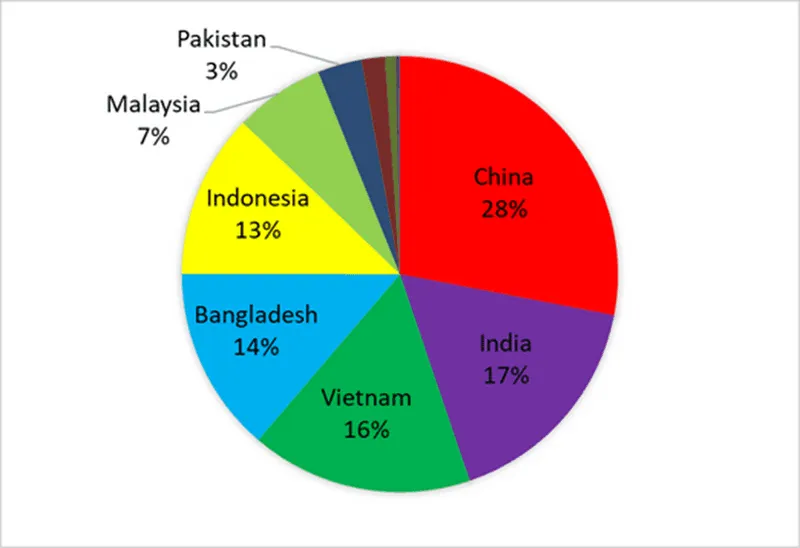
Australian Cotton Exports by Destination (2025 YTD, Bales)
Market Conditions: Stability and Cautious Optimism
Despite an active export season, global cotton prices have remained confined within a narrow band of 65 to 70 US cents per pound, reflecting ongoing macroeconomic uncertainty and speculative selling. With no major crop scares and persistent global headwinds, market participants express both frustration at the trading monotony and hope for future momentum. The current environment prompts spinners to adopt prudent buying strategies, underpinning a cautious optimism that pervades the industry.
Shipping Paces: Lessons from History
A closer look at historical shipping data reveals a stable and sustained pace in cotton exports year over year. The following chart showcases shipping volumes from March to February for the season years 2021-2025:

Historical Shipping Pace of Australian Cotton (Bales, March-February, 2021-2025)
Monthly shipping pace (bales shipped, March–February, 2021-2025) aligns across recent years, underscoring Australia’s reliable fulfilment of international cotton demand and logistical competence.
Sustainability, Innovation, and Industry Leadership
Australian cotton’s identity is increasingly tied to environmental responsibility. Responding to global awareness of microplastics and climate impact, the industry positions cotton as a sustainable, natural fibre alternative to synthetics. Grower organisations and merchants champion advocacy, encouraging public and policy support for the many environmental benefits of cotton. In 2025, the Australian Cotton Shippers Association (ACSA) has established four strategic committees, each tasked with advancing critical issues:
- Classing Quality: Developing new best practices for cotton classing nationwide.
- Freight Warehousing: Improving supply chain transparency and logistics safety.
- Ginning: Elevating professional standards for ginners while benchmarking sustainability metrics.
- Sustainability Traceability: Integrating post-farm-gate data into national supply platforms and strengthening industry messaging.
These collaborative committees bring together stakeholders across the supply chain, fostering shared solutions to both recurring and emerging industry challenges.
Regional Impact and Integrated Operations
Regions such as New South Wales, home to leading agribusinesses like Australian Food Fibre (AFF), exemplify the sector’s commitment to scale, quality, and integration. Vertically integrated models allow for end-to-end management—from farming and ginning to warehousing and classing—supporting stringent traceability and quality standards. Strategic partnerships with local growers reinforce the sector’s alignment with community values and environmental stewardship.
The Road Ahead: Policy, Partnership, and Possibility
Looking forward, the approaching expiry of India’s import exemption highlights the fluid nature of international trade policy and its tangible influence on Australian cotton exports. Market participants remain attuned to legislative changes and external economic pressures, ready to adjust strategies to maximise both market access and value. In summary, Australia’s cotton industry in 2025 is defined by resilience, consistent performance, and a dynamic balance between tradition and innovation. Robust production, strong export numbers, and leadership on sustainability place Australia at the forefront of global textile supply chains. As the sector adapts to new challenges and champions cotton’s environmental credentials, it becomes not just a supplier of fibre, but a model for responsible agricultural practice on the world stage.