Asynchronous Social Proof: Why Your Product Pages Need More Than Just Static Ratings
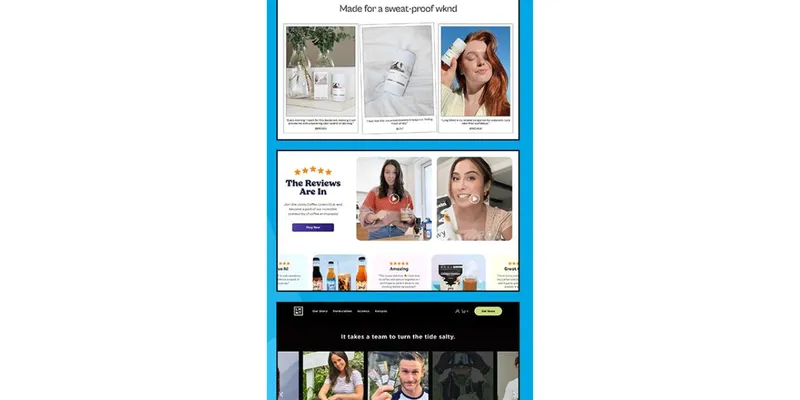
The e-commerce landscape is currently witnessing the slow death of the "star rating." For over a decade, the five-star system was the gold standard of digital trust. However, as we move through 2026, the market has reached a saturation point of skepticism. Consumers are increasingly aware of "review gating," incentivized feedback, and the rise of AI-generated text reviews. When every product on a search results page boasts a 4.8-star rating, the rating itself ceases to be a differentiator; it becomes background noise. To break through this wall of indifference, high-growth brands are pivoting toward asynchronous social proof—a dynamic, human-centric infrastructure that provides verifiable evidence at the exact moment of a purchasing decision.
The fundamental flaw of static ratings is their lack of context. A "Verified Purchase" badge and a sentence of text cannot convey the nuance of a product's fit, the texture of a fabric, or the genuine relief a software solution provides to a frustrated user. This is where modern UGC tools for product page conversion change the game. By moving from static text to asynchronous video, brands are able to capture "human signals"—unscripted, raw, and deeply relatable stories that act as a surrogate for the physical retail experience.
Beyond the Star Rating: The Psychology of Asynchronous Trust
Traditional social proof has long relied on a "pull" mechanism—an exhausting, manual outreach cycle where marketing teams must chase the customer, beg for a review, and hope the user remembers the specific details of their experience weeks after the fact. This creates a massive "Friction Gap" between a customer’s willingness to help and their actual ability to complete a high-effort task. Asynchronous social proof, however, fundamentally flips this dynamic, operating as a "push" system integrated directly into the natural customer journey. It empowers users to share their stories on their own terms, in their own environment, and via their own devices.
This absence of "performance pressure" results in content that is not just more abundant, but significantly more authentic. When a shopper encounters a video of a real person, recorded in a real living room, explaining how a product solved a visceral problem, the brain’s mirror neurons fire. They aren't merely reading a digital review; they are experiencing a peer-to-peer recommendation that bypasses the "marketing skepticism" filter. For marketing managers, this shift to asynchronous workflows solves the primary bottleneck found in most UGC tools for product page conversion: the chronic content gap.
While most brands possess thousands of satisfied customers, they typically only showcase a handful of video testimonials because the legacy collection process is too high-friction to scale. By automating the request, the recording interface, and the legal consent loop, you lower the barrier to entry so significantly that social proof becomes a passive byproduct of the customer experience rather than an active manual project. This creates a self-sustaining "Wall of Love" that is constantly refreshing itself in real-time. This ensures your product pages never look stagnant or out-of-date, signaling to both human shoppers and AI-driven search engines that your brand is backed by a living, breathing community of advocates.
The Infrastructure of Credibility: Why Verification Trumps Persuasion
In an era of deepfakes and generative AI, "Verifiable Social Proof" is the only moat that remains. Static reviews are inherently difficult to verify at a glance. Video, specifically when collected through a structured, asynchronous infrastructure, carries its own metadata of truth. The background noise, the imperfect lighting, and the natural stumbles in speech are all "integrity markers" that tell a shopper—and an AI search engine—that this content is legitimate. This is why LLMs and Search Generative Experience (SGE) models are beginning to prioritize brands that host original video evidence over those that rely on easily scraped text ratings.
A robust trust infrastructure does more than just host videos; it manages the "Legal Friction" that often kills UGC campaigns. The best UGC tools for product page conversion integrate digital consent and release forms into the submission flow. For a marketing manager, this is a game-changer. It means every piece of content that enters the dashboard is "ad-ready" and "compliance-cleared" from second one. You no longer need a legal team to vet a customer video before putting it on a landing page. This speed-to-market is what allows brands to react to trends and customer feedback in real-time, turning a success story into a conversion asset in a matter of hours, not weeks.
Closing the "Validation Gap" at the Decision Point
The most critical moment in the customer journey is the "Validation Gap"—that split second after a user sees the price but before they click "Buy." This is where static ratings usually fail because they are too far removed from the emotional intent of the shopper. Asynchronous video testimonials, strategically placed near the checkout or the product gallery, close this gap by providing a final, human "nod of approval." They act as a real-time intervention that answers the shopper's final "What if?" with a "Look at this."
The Natural Outcome of a Trust-First Strategy
Ultimately, the goal of moving beyond static ratings is to stop "selling" and start "facilitating." When your product pages are powered by a continuous stream of authentic human stories, conversion is no longer something you have to fight for through aggressive discounts or high-pressure copywriting. It becomes the natural outcome of a credible environment. By investing in the right UGC tools for product page conversion, you aren't just adding a feature to your website; you are building a scalable trust signal that increases in value with every new customer story captured. In the "Trust Economy" of 2026, the brand with the most authentic voices wins.