Asia-Pacific: The New Hub for Automotive Lubricants
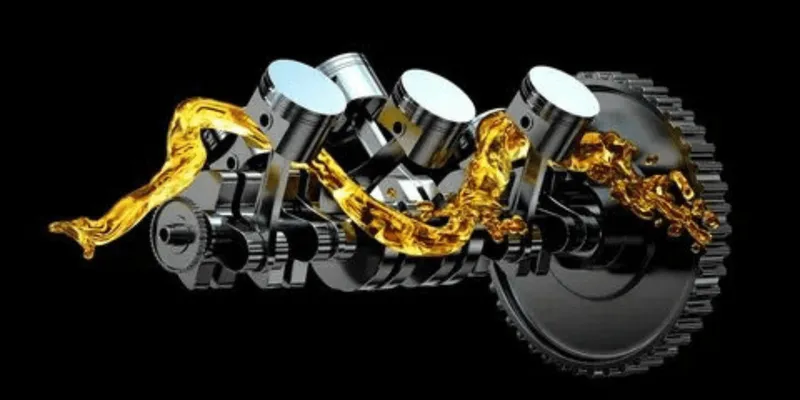
Evolving demand, innovation, and sustainability drive the region’s lubricant market expansion
Asia-Pacific is rapidly redefining the global automotive lubricants landscape. Fueled by surging vehicle ownership, advanced manufacturing ecosystems, and green mobility initiatives, the region is becoming the epicenter of growth, performance, and innovation in automotive lubrication.
The Automotive Lubricants Market is experiencing a structural transformation, and the Asia-Pacific region has become the heart of this global shift. Over the past decade, Asia-Pacific has evolved from a consumption-driven market into a hub of manufacturing, innovation, and exports for the automotive sector. According to Fairfield Market Research, this dominance stems from strong vehicle production, expanding transport infrastructure, rising disposable income, and rapid industrialization. As the demand for mobility and performance intensifies, lubricant manufacturers are increasingly focusing on Asia-Pacific for sustained, long-term growth.
Expanding Vehicle Fleet: The Core Demand Driver
Asia-Pacific’s leadership in the automotive lubricants sector is primarily powered by its vast and growing vehicle population. Countries such as China, India, Japan, South Korea, and the ASEAN nations account for nearly two-thirds of global vehicle sales. Rising middle-class incomes and easy financing options are accelerating car ownership, while the booming logistics and e-commerce sectors continue to boost the commercial vehicle segment.
According to Fairfield Market Research, India alone registers over 20 million new vehicles annually, fueling demand for aftermarket lubricants and maintenance services. Meanwhile, China’s expanding hybrid and EV markets are driving innovation in high-performance lubricants designed for thermal management and energy efficiency. From two-wheelers to trucks, this diverse vehicle base ensures sustained lubricant consumption across the region.
Manufacturing Hubs Powering Global Supply Chains
Asia-Pacific serves as the manufacturing backbone of the global automotive industry. Leading OEMs and lubricant producers have established large-scale production facilities in China, Japan, Thailand, Indonesia, and India, taking advantage of skilled labor, abundant raw materials, and favorable trade policies.
Fairfield Market Research highlights major automotive clusters such as Guangzhou (China), Pune (India), and Chonburi (Thailand) as key lubricant blending and R&D hubs. Global leaders including Shell, ExxonMobil, and TotalEnergies are expanding regional operations to cater to evolving performance standards for both internal combustion and electric vehicles (EVs).
Rising Awareness of Preventive Maintenance
Vehicle maintenance awareness is growing rapidly across Asia-Pacific, particularly in urban centers. Service stations are increasingly recommending high-quality synthetic and semi-synthetic lubricants that extend engine life and improve fuel efficiency.
Given the region’s diverse climates — from tropical heat to cold highlands — vehicle owners now prefer region-specific lubricants for optimal performance. Fairfield Market Research notes a clear shift toward premium and branded lubricants with longer drain intervals and better protection under extreme temperatures, reshaping both retail and aftermarket sales channels.
Government Policies Encouraging Cleaner Mobility
Governments across Asia-Pacific are enforcing stricter emission norms, encouraging the adoption of eco-friendly, low-viscosity lubricants. China’s VI emission standards, India’s Bharat Stage VI norms, and Japan’s energy mandates are pushing manufacturers to develop advanced formulations that enhance fuel economy and reduce emissions.
Fairfield Market Research observes that lubricant companies are investing heavily in R&D for bio-based and biodegradable lubricants, especially in environmentally conscious markets like Japan and South Korea. These innovations not only align with sustainability goals but also open new market opportunities for local producers.
Two-Wheeler and Electric Vehicle Boom
Asia-Pacific dominates the two-wheeler market, with countries such as India, Vietnam, and Indonesia relying heavily on motorcycles for daily commuting. This segment creates consistent demand for lubricants, especially high-performance engine oils and greases.
Simultaneously, the EV revolution is reshaping lubricant demand. While EVs require fewer traditional lubricants, they need specialized fluids for battery cooling, transmission, and thermal stability. Fairfield Market Research highlights that lubricant manufacturers are diversifying into EV-compatible solutions, aligning with the growth of OEMs scaling up electric mobility production.
Expanding Aftermarket and E-Commerce Ecosystem
The region’s automotive aftermarket has undergone a digital transformation. E-commerce platforms like Alibaba and Flipkart are enabling direct-to-consumer lubricant sales, making premium brands accessible to wider audiences.
Fairfield Market Research notes that this trend allows smaller lubricant brands to compete with global giants, driving price innovation and digital adoption. Many distributors now use omni-channel models that combine physical stores and online platforms to ensure consistent product availability even in remote markets.
Strategic Collaborations and Investments
Asia-Pacific’s lubricant market is witnessing a surge in mergers, acquisitions, and joint ventures between global majors and local manufacturers. Partnerships such as those between Indian Oil Corporation and international firms have enhanced domestic blending capacity and technology sharing.
Local companies are simultaneously investing in premium product lines and targeted marketing campaigns while focusing on R&D for hybrid and alternative fuel vehicles. These strategies highlight Asia-Pacific’s growing role as the most competitive and innovation-driven hub for lubricants globally.
Emerging Opportunities Beyond Automotive
The region’s demand for lubricants extends beyond vehicles to industrial and marine applications. Infrastructure growth, expanding manufacturing bases, and increased maritime trade—especially in Singapore and Malaysia—are fueling new opportunities.
This cross-sector expansion allows lubricant companies to diversify portfolios, reducing dependence on automotive sales while strengthening their foothold in the global supply network.
Asia-Pacific Steering the Next Wave of Growth
In conclusion, Asia-Pacific’s rise as the global hub for automotive lubricants is powered by a mix of vehicle growth, advanced manufacturing, policy-driven innovation, and consumer awareness. Fairfield Market Research predicts the region will continue to lead this transformation, not only through scale but through technological agility and sustainable practices.
As global players deepen their investments and regional manufacturers enhance competitiveness, Asia-Pacific is poised to drive the next era of mobility, performance, and sustainable growth in the global lubricants industry.