ARC 2025 Drives Innovation in Advanced Recycling Technologies
Global Experts Unite to Transform Recycling Across Industries
Nearly 220 experts from 28 countries explored breakthroughs in plastics, textiles, automotive, and other recycling technologies, emphasizing efficiency, transparency, and sustainable circular models.
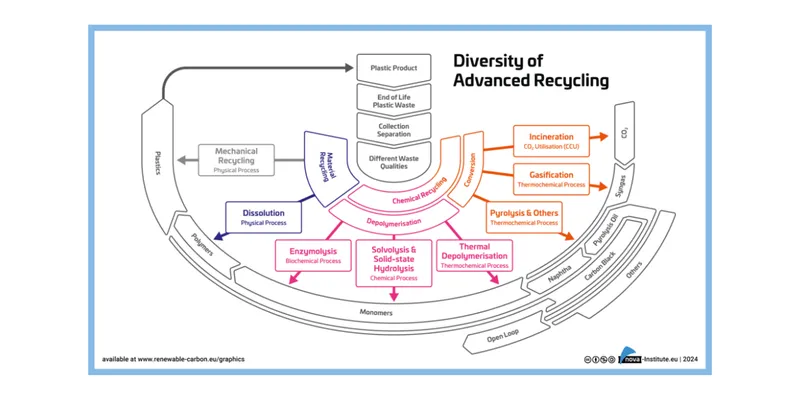
The Advanced Recycling Conference (ARC) 2025 convened nearly 220 experts from 28 countries to highlight pioneering innovations and encourage collaboration in recycling across a variety of waste streams, including plastics, textiles, automotive, and other materials. This year’s agenda focused on ongoing enhancements in core recycling technologies such as physical recycling via extrusion and dissolution, chemical solvolysis, biochemical enzymolysis, and thermochemical processes like pyrolysis and gasification. A major driver of these advancements is the adoption of digital solutions, including AI-enabled sorting and blockchain-based traceability, which ensure consistent feedstock quality and scalable circular systems even amid fluctuating waste volumes and mixed material complexities.
The conference also emphasized the urgent need to restore confidence in chemical recycling by showcasing tangible improvements in process efficiency and transparency across the value chain. Cutting-edge methods in textile and automotive recycling were explored to address challenges posed by complex material blends and regulatory pressures. Additionally, discussions on carbon capture and utilization (CCU) underscored the transition toward genuinely sustainable circular business models. Expanding recycling infrastructure emerged as a critical requirement for the deployment of advanced technologies and for meeting regulatory goals. Networking opportunities and a site visit to Chemiepark Knapsack allowed participants to observe industrial-scale applications of these technologies and forge stronger industry partnerships.
Pathways to EU Targets and Renewable Carbon Growth
By uniting stakeholders from technology, policy, and investment sectors, ARC 2025 outlined a roadmap for achieving ambitious EU objectives, including increasing post-consumer recycled plastics in packaging to 10–35% by 2030 and incorporating 25% recycled content in new vehicles. Collaborative efforts aim to tackle challenges related to feedstock availability, variability, and infrastructure, driving growth in renewable carbon value chains and advancing the decarbonization of the chemical industry. Further information and updates on upcoming events can be found at https://advanced-recycling.eu.
Partners and Sponsors
The Advanced Recycling Conference is supported by visionary sponsors dedicated to promoting recycling solutions. Siemens participated as a gold sponsor, while Buss ChemTech, Erema Group, and Starlinger contributed as bronze sponsors. The conference also enjoys support from industry and trade associations, non-profit organizations, research institutions, and related interest groups, including BCNP Consultants (DE), C.A.R.M.E.N. (DE), ChemCologne (DE), Chemical Recycling Europe (EU), Chemie-Cluster Bayern (DE), CLIB (DE), IBB Netzwerk (DE), ITA – International Centre for Sustainable Textiles (DE), kunststoffland.NRW (DE), Plastics Europe (DE), Renewable Carbon Initiative (International), and VinylPlus (DE).