Applications of Hypalon Fabric: Why It Remains a Benchmark Material for Harsh Marine and Industrial Environments
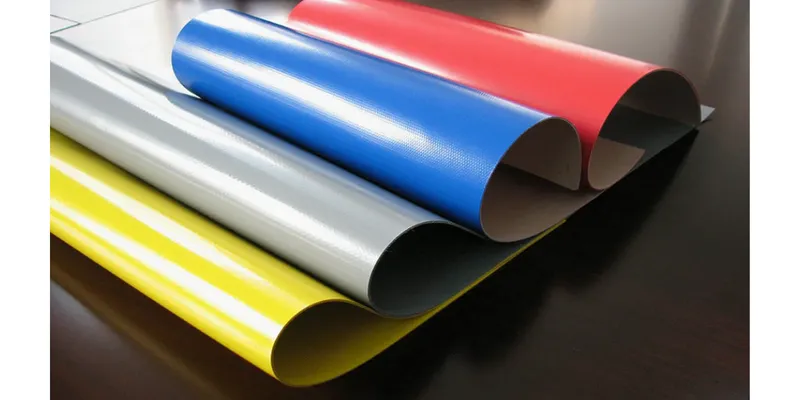
When durability matters, few materials have earned the reputation of Hypalon fabric.
Originally developed for demanding industrial and marine applications, Hypalon became widely known for its exceptional resistance to UV exposure, chemicals, abrasion, saltwater, and extreme weather conditions.
Today, even though the original DuPont Hypalon trademark is no longer produced, the term “Hypalon fabric” remains universally used across the boating and industrial sectors to describe high-performance chlorosulfonated polyethylene (CSM) coated fabrics.
From inflatable boats and military craft to roofing membranes and industrial protective equipment, Hypalon fabrics continue to play a critical role in environments where standard materials quickly fail.
In this guide, we explore the main applications of Hypalon fabric and why it remains one of the most trusted materials for long-term outdoor performance.
What Is Hypalon Fabric?
Hypalon fabric typically consists of a polyester base fabric coated with chlorosulfonated polyethylene (CSM) rubber.
This combination creates a material known for:
- Exceptional UV resistance
- High resistance to saltwater and humidity
- Excellent flexibility over time
- Strong abrasion resistance
- Chemical and fuel resistance
- Long service life in outdoor environments
- Resistance to temperature extremes
Compared to standard PVC fabrics, Hypalon materials generally offer superior longevity and weather resistance, particularly in hot climates and high-UV regions such as Florida, California, Texas, and the Caribbean.
Because of these properties, Hypalon fabrics are commonly selected for applications where reliability and long-term exposure are critical.
1. Inflatable Boats and RIB Tubes
One of the most recognized applications of Hypalon fabric is the manufacturing and restoration of inflatable boats and rigid inflatable boats (RIBs).
Marine environments are extremely demanding on materials. Constant exposure to UV radiation, saltwater, fuel spills, humidity, and abrasion quickly degrades lower-grade fabrics.
Hypalon-coated fabrics are widely used for:
- RIB tubes
- Inflatable tenders
- Military inflatable boats
- Rescue boats
- Dive boats
- Yacht tenders
- Offshore inflatable craft
- Commercial workboats
The material remains highly valued because it maintains flexibility and structural integrity for many years, even under intense sun exposure.
Unlike cheaper materials that may become brittle or delaminate over time, quality Hypalon fabrics are known for their durability and repairability.
Many premium inflatable boat manufacturers continue to rely on Hypalon-style CSM fabrics for high-end vessels intended for professional or offshore use.
2. Inflatable Boat Repair and Restoration
Hypalon fabric is also extensively used in inflatable boat restoration projects.
Older inflatable boats often remain structurally sound but suffer from faded, damaged, or aging tubes.
Instead of replacing the entire vessel, many owners choose to:
- Repair damaged sections
- Reinforce high-wear areas
- Replace rubbing strakes
- Recover inflatable tubes
- Customize tube colors and finishes
- Extend the lifespan of older RIB boats
For many boat owners, restoration is significantly more cost-effective than purchasing a new inflatable boat.
High-quality marine-grade fabrics allow older vessels to regain both appearance and performance while dramatically extending their usable lifespan.
3. Military and Professional Rescue Craft
Hypalon fabrics are heavily used in military, coast guard, and rescue applications.
Professional operators require materials capable of surviving extreme operational conditions while remaining dependable in emergencies.
Applications include:
- Military assault boats
- Rescue inflatables
- Search-and-rescue craft
- Fire department rescue boats
- Commercial patrol boats
- Expedition support vessels
The material’s resistance to fuel, abrasion, punctures, and prolonged UV exposure makes it especially valuable for professional fleets that operate continuously in harsh environments.
Hypalon also performs well under repeated inflation, deflation, and transport cycles.
4. Diving and Watersports Equipment
The diving industry has long relied on Hypalon-coated materials because of their resistance to saltwater and repeated outdoor exposure.
Applications include:
- Buoyancy compensators
- Dive lift bags
- Inflatable flotation systems
- Towable inflatables
- Watersports tubes
- Rafts and floating platforms
In these applications, durability and puncture resistance are essential for both safety and long-term reliability.
The material’s flexibility also helps maintain performance across varying water temperatures.
5. Industrial Protective Covers and Equipment
Beyond the marine world, Hypalon fabrics are widely used in industrial protection systems.
Because of their resistance to chemicals, ozone, UV rays, and environmental degradation, they are often selected for demanding outdoor applications.
Industrial uses include:
- Protective equipment covers
- Flexible containment systems
- Chemical-resistant barriers
- Industrial curtains
- Weather-resistant covers
- Flexible ducting systems
- Inflatable industrial structures
These applications benefit from the material’s ability to remain stable and flexible even after years of outdoor exposure.
6. Roofing and Architectural Membranes
Hypalon materials have also been used historically in roofing systems and architectural membranes.
The material’s weather resistance and waterproof properties made it suitable for:
- Commercial roofing membranes
- Outdoor protective structures
- Tensile fabric architecture
- Shade systems
- Waterproof industrial enclosures
Although newer membrane technologies now compete in this market, Hypalon remains recognized for its long-term outdoor durability.
7. Aerospace and Specialized Inflatable Structures
Certain aerospace and specialized engineering sectors have also used Hypalon-coated fabrics for inflatable systems exposed to harsh environmental conditions.
Applications may include:
- Emergency flotation systems
- Protective inflatable structures
- Harsh-environment containment systems
- Temporary deployment structures
The material’s balance between flexibility, chemical resistance, and environmental durability makes it suitable for specialized technical uses.
Why Hypalon Fabric Remains So Popular
Despite the development of newer synthetic fabrics, Hypalon-style CSM materials remain highly respected because they offer an exceptional balance of:
- Longevity
- UV resistance
- Repairability
- Flexibility
- Abrasion resistance
- Marine durability
- Professional-grade reliability
In many marine environments, especially those involving intense sun exposure or saltwater use, Hypalon fabrics can significantly outlast standard PVC alternatives.
For boat owners, this often translates into:
- Lower long-term maintenance costs
- Longer tube lifespan
- Better resistance to fading and cracking
- Easier repairs and restoration
- Higher resale value
Choosing the Right Hypalon Fabric
Not all Hypalon-style fabrics offer the same quality.
When selecting materials for marine or industrial applications, important factors include:
- Fabric weight
- Surface finish
- UV resistance level
- Base fabric strength
- Abrasion resistance
- Flexibility
- Intended environmental exposure
Professional-grade marine fabrics are specifically engineered to withstand years of exposure to:
- Saltwater
- Fuel
- Heat
- UV radiation
- Repeated flexing
- Heavy marine use
Choosing high-quality fabric is especially important for inflatable boat restoration projects where long-term reliability matters.
Conclusion
From inflatable boats and rescue craft to industrial covers and architectural systems, Hypalon fabric continues to prove its value in some of the world’s harshest operating environments.
Its unique combination of durability, UV resistance, flexibility, and long-term outdoor performance explains why it remains one of the most trusted materials across marine and industrial industries.
Whether you are restoring a RIB boat, manufacturing professional inflatables, or searching for durable outdoor materials, Hypalon-style CSM fabrics remain one of the best long-term investments available.