Apparel Impact Institute Launches Energy and Carbon Benchmark for Fashion Industry
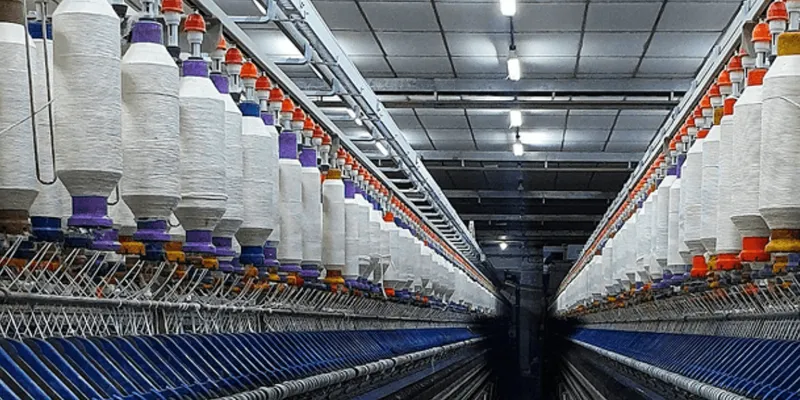
Apparel Impact Institute (Aii) introduced the Energy and Carbon Benchmark on March 11, 2026, in San Francisco. The tool is designed to support efforts to measure and reduce emissions across the fashion supply chain by providing process-level performance data for textile manufacturing facilities.
Apparel Impact Institute (Aii) announced the launch of the Energy and Carbon Benchmark, a tool aimed at supporting emission measurement and reduction across the apparel industry. The benchmarking system enables evaluation of process-level performance and differentiates between facilities performing single or multiple types of processing on-site.
According to Aii, emissions from the apparel sector increased by nearly 8% in 2023 compared with the previous year, representing close to 2% of global greenhouse gas (GHG) emissions, based on the organization’s 2025 annual update on industry progress. The increase represents the first significant rise in sector emissions since Aii began monitoring the industry.
The Energy and Carbon Benchmark provides data intended to improve transparency across the textile supply chain. The tool includes benchmarking figures for facilities based on energy sources, material types, and production processes. It also enables analysis of total factory energy use, emissions profiles, department-level data, and performance comparisons across facilities and regions over time.
Jimmy Summers, VP of Environment, Health, Safety, & Sustainability at Elevate Textiles, said:
"This benchmarking tool helps suppliers to objectively determine where they are in their sustainability journey, which in turn can support further cost-effective interventions, resulting in more effective energy solutions, improved efficiency, and decreased emissions. By communicating supplier performance to brands, Aii's tool will help the industry to further recognize the importance of suppliers in apparel's net-zero journey, resulting in additional and effective support and momentum for supplier decarbonization.”
The benchmarking system is intended to support measurement of supply chain performance and encourage brands and suppliers to increase investment in supplier-level decarbonization efforts.
Brands that participated in the benchmark pilot in late 2025 include H&M Group, AEO Inc, Gap Inc., Target, J.Crew Group, and PVH. Participating suppliers included Elevate Textiles and KPI Mills. The pilot involved stakeholders from several apparel-producing regions.
Henrik Sundberg, Climate Impact Lead with H&M Group, stated:
“When it comes to industry decarbonization efforts, fashion historically hasn’t been able to clearly define what ‘good’ energy efficiency looks like. Aii’s Benchmark, created in partnership with the apparel sector, establishes those baselines backed by data. The Benchmark is a meaningful tool that accelerates brand and supplier decarbonization with transparency and clarity.”
Kurt Kipka, Chief Impact Officer at Apparel Impact Institute, said:
“This methodology provides a structured, quantitative and yet simple way for the fashion industry to assess energy use and carbon reduction opportunities. Ultimately, we hope that one day all suppliers, no matter how big or small, see the business value in tracking and communicating their carbon performance using this Benchmark. And in doing so, brands and financial institutions can respond accordingly with commitments and financial incentives to reward top performers and appropriately support those suppliers with significant improvement opportunities.”
The Energy and Carbon Benchmark uses data from verified sources, including the Higg Index, as well as information from technical experts and mill assessments. The tool also incorporates input from Phil Patterson, a member of the Aii Climate Solutions Portfolio Advisory Council.
According to Aii, the benchmarking methodology was developed through an open process involving manufacturers, technical experts, and industry partners to reflect operational conditions in textile manufacturing facilities.