Air Purifiers: Improve Your Home's Air Quality for a Healthier Life
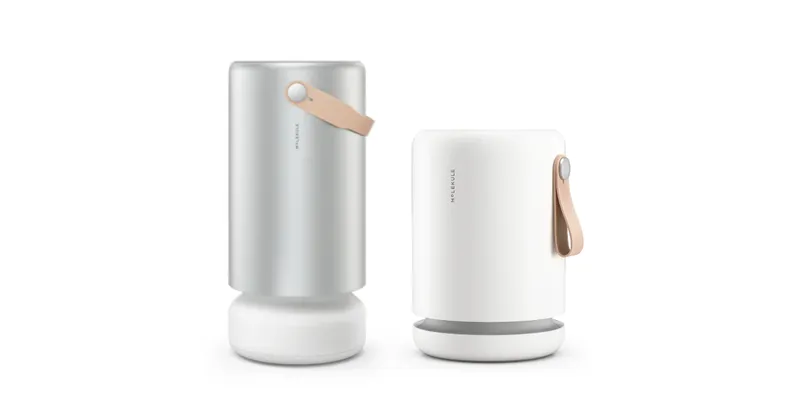
In today’s world, clean air is more essential than ever. With rising pollution levels and allergens lurking in our homes, many of us are turning to air purifiers, such as the Air Mini+ and Air Pro, to improve our indoor environment. These devices promise to filter out harmful particles and create a healthier living space, but do they really deliver on their promises?
We’ve all experienced the discomfort of stuffy air or seasonal allergies, and that’s where air purifiers come into play. By understanding how they work and what to look for, including options like the refurbished Air Mini+ and refurbished Air Pro, we can make informed decisions to enhance our air quality. Join us as we explore the benefits of air purifiers and help you find the perfect fit for your home.
What Are Air Purifiers?
Air purifiers, including models like the Air Mini+ and Air Pro, are designed to improve indoor air quality by removing contaminants. These devices capture pollutants such as dust, pollen, smoke, and pet dander. They often utilise filters to trap airborne particles and can significantly reduce allergens present in our living spaces.
Air purifiers consist of several components that contribute to their efficiency:
- Filters: Most air purifiers, including the Air Mini+ and Air Pro, use HEPA filters that capture at least 99.97% of particles measuring 0.3 microns in diameter. Some models may include activated carbon filters that absorb odours and chemical vapours.
- Fan: An integral part of the air purifier, the fan circulates air through the filter, ensuring that contaminants get trapped.
- Ionisers: Some air purifiers feature ionisers that produce negatively charged ions, which attach to positively charged pollutants, causing them to clump together and fall out of the air.
Air purifiers vary in size and capacity, making them suitable for small rooms to large spaces. When choosing an air purifier, we consider factors such as the Clean Air Delivery Rate (CADR), noise levels, and the area coverage to ensure it meets our specific needs.
How Do Air Purifiers Work?
Air purifiers function by employing various technologies to filter and eliminate pollutants from indoor air. Understanding these processes clarifies how these devices contribute to a healthier living space.
Types of Filtration Systems
- HEPA Filters: High-Efficiency Particulate Air filters capture 99.97% of particles measuring 0.3 microns or larger. HEPA filters effectively trap allergens like dust, pollen, and pet dander, enhancing indoor air quality.
- Activated Carbon Filters: These filters absorb gases and odours, making them effective against volatile organic compounds and smoke. Activated carbon filters complement HEPA filters by targeting different types of air pollutants.
- Pre-Filters: Pre-filters capture larger particles, extending the life of primary filters. They are beneficial for households with pets or high dust levels and help maintain optimal airflow through the system.
- Ionisers: Ionisers release negatively charged ions that attach to positively charged airborne particles, causing them to clump together and fall to the ground or stick to surfaces. While they can reduce particulate matter, maintenance and cleaning are necessary to manage settled dust.
Features to Consider
- Clean Air Delivery Rate (CADR): CADR provides a measure of an air purifier's efficiency in removing specific pollutants. Higher CADR ratings indicate faster purification capabilities for larger spaces.
- Noise Levels: Noise level impacts user comfort, especially in quiet settings like bedrooms. Many air purifiers, including refurbished options, offer multiple fan speeds, allowing selection of quieter modes for nighttime use.
- Area Coverage: We should consider the size of the room where the air purifier will operate. Manufacturers often provide recommended square footage, ensuring optimal performance based on a room's dimensions.
- Filter Replacement Indicator: Some air purifiers have integrated indicators that alert us when filters require replacement, maintaining efficacy without the need for frequent manual checks.
- Energy Efficiency: Look for energy-efficient models, often certified by ENERGY STAR. These units consume less power, reducing energy bills while ensuring effective air purification.
Benefits of Using Air Purifiers
Air purifiers, particularly models like the refurbished Air Mini+ and Air Pro, improve indoor air quality significantly, providing various health and environmental benefits. These devices contribute to a cleaner, safer living space for us and our families.
Health Benefits
Health improvements from using air purifiers are substantial. These devices effectively reduce allergens, including dust mites, pollen, and pet dander, which lowers the risk of respiratory issues and allergies. They also alleviate symptoms of asthma by filtering out irritants that trigger attacks. The removal of harmful particles, such as smoke and volatile organic compounds (VOCs), supports cardiovascular health by ensuring cleaner air. Moreover, the use of activated carbon filters helps eliminate unpleasant odours, contributing to overall wellbeing.
Environmental Impact
Air purifiers positively impact our environment by reducing indoor air pollution. They minimise the presence of harmful substances in our living spaces, lowering the potential for long-term health effects. Using energy-efficient models decreases electricity consumption, contributing to lower carbon footprints. By improving the air quality inside our homes, we foster a healthier ecosystem both indoors and outdoors, supporting sustainability efforts. Additionally, some air purifiers produce negligible ozone levels, protecting us from harmful pollutants while providing cleaner air.
Choosing the Right Air Purifier
Selecting the right air purifier, whether the Air Mini+, Air Pro, or their refurbished counterparts, involves several critical factors that ensure optimal performance and effectiveness.
Consider Room Size
- Measure your space: Choose an air purifier that matches the size of your room. Air purifiers often specify the maximum area they can effectively cover, usually indicated in square metres.
Evaluate Filter Types
- HEPA filters: Look for models with true HEPA filters that capture 99.97% of particles as small as 0.3 microns. This ensures superior allergen removal.
- Activated carbon filters: Select units with activated carbon filters for absorbing gases and odours, enhancing air quality and freshness.
- Pre-filters: Include air purifiers with pre-filters to trap larger particles, extending the lifespan of HEPA and carbon filters.
Check Clean Air Delivery Rate (CADR)
- Choose higher CADR values: CADR reflects the volume of filtered air delivered by the purifier. Higher numbers indicate faster and more efficient purification, improving overall air quality.
Assess Noise Levels
- Prioritise quiet operation: Investigate noise levels, especially for bedroom use. Many models offer silent operation on lower settings, ensuring comfort during sleep.
Look for User-Friendly Features
- Filter replacement indicators: Opt for air purifiers with indicators that signal when it's time to replace filters, simplifying maintenance and ensuring peak performance.
- Energy efficiency: Consider Energy Star-rated models that consume less power, lowering energy bills while maintaining effective air purification.
Explore Additional Functions
- Integrated ionisers: Some air purifiers come with ionising features that enhance particle removal. Check if the model produces minimal ozone, ensuring user safety.
- Smart features: Investigate options that include Wi-Fi connectivity and app integration for remote monitoring and control, enhancing convenience.
By focusing on these key factors, we can confidently choose the right air purifier that aligns with our needs and enhances our indoor air quality effectively.
Maintenance and Care
Air purifiers, including models like the refurbished Air Mini+ and Air Pro, require regular maintenance to function effectively and prolong their lifespan. We focus on several essential tasks to ensure optimal performance.
- Filter Replacement: Filters play a critical role in air purification. We check the manufacturer's recommendations for replacing HEPA and activated carbon filters, typically every 6 to 12 months. Regularly replacing these filters maintains efficient contaminant removal.
- Pre-Filter Cleaning: Pre-filters capture larger particles, extending the life of primary filters. We clean pre-filters monthly by vacuuming or rinsing them, depending on the model’s specifications. Proper care prevents dust build-up and ensures proper airflow.
- Unit Cleaning: We wipe the exterior of the air purifier regularly with a damp cloth to remove dust and maintain a clean environment. Additionally, we ensure air intake and outlet vents are free from blockages, which can hinder airflow.
- Monitor Air Quality: Many air purifiers come with air quality sensors. We regularly monitor these indicators to assess performance and determine if filter replacement is necessary. Understanding air quality trends helps us maintain healthy indoor conditions.
- System Upgrades: Some models provide software updates for smart features. We periodically check for these updates to enhance functionality and performance. Upgrading settings can optimise purification processes and improve energy efficiency.
By adhering to these maintenance and care steps, we enhance the effectiveness of our air purifiers, ensuring cleaner air and a healthier living space.
Conclusion
Investing in an air purifier like the Air Mini+ or Air Pro, or their refurbished versions, is a proactive step toward enhancing our indoor air quality. By filtering out harmful particles and allergens, we can create a healthier living environment for ourselves and our families. With various options available on the market, from new to refurbished models, we can easily find a purifier that suits our specific needs and room sizes.
Maintaining our air purifiers through regular cleaning and timely filter replacements is essential for optimal performance. By doing so, we not only ensure cleaner air but also contribute to a more sustainable environment. Ultimately, the right air purifier can significantly improve our quality of life by promoting better health and well-being.