Aid by Trade Invests €500K in Biodiversity for 20th Anniversary
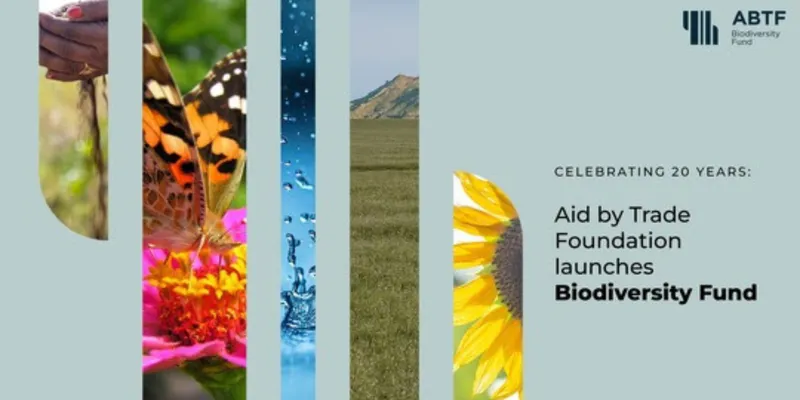
In celebration of its 20th anniversary, the Aid by Trade Foundation (AbTF) has committed €500,000 to launch the new AbTF Biodiversity Fund, reinforcing its dedication to environmental protection and nature conservation. The announcement was made during the second Hamburg Sustainability Conference (HSC), reflecting the foundation’s continuous pursuit of eco-conscious transformation in the textile and fashion industries.
Founded in 2005 by Prof. Dr. Michael Otto, AbTF champions nature conservation where cotton and cashmere are cultivated. Through its globally recognized sustainability standards and direct support to farming families, the foundation improves rural livelihoods and promotes agricultural resilience in the face of climate change and economic challenges.
“Facing global climate and ecological crises, we must re-evaluate our impact on the environment,” said Tina Stridde, Managing Director of AbTF. “With our ‘Aid by Trade’ model, we’re channeling the power of trade to deliver positive outcomes for nature, communities, and animals—especially through our new focus on biodiversity.”
The fund’s inaugural initiative will be a collaboration with African People and Wildlife (APW) in Tanzania, an esteemed organization known for fostering harmony between communities and endangered wildlife.
20 Years of Impact: From Cotton to Cashmere
Since its inception, AbTF has reshaped the global textile sector through four key sustainability standards:
- Cotton made in Africa® (CmiA)
- CmiA Organic
- The Good Cashmere Standard® (GCS)
- Regenerative Cotton Standard® (RCS)
What started with a focus on CmiA in three African countries now spans 10 nations, supporting 800,000 cotton farmers and over 3,000 business partners globally. AbTF’s initiatives have helped brands align with sustainability goals while enhancing the livelihoods of raw material producers.
Over the years, AbTF expanded its footprint to include India through the RCS, and launched the GCS in 2019 for sustainable cashmere in Inner Mongolia. Today, GCS partners with more than 50 global fashion labels—including H&M, J.Crew, and Zadig&Voltaire—and supports 5,500 herders caring for 2.4 million goats.
Prof. Otto reflects: “Back in 2005, few could have predicted that global brands would embrace our sustainability standards. I’m proud of how far we’ve come, and confident that our biodiversity fund will continue to drive progress in sustainable fashion for both people and the planet.”