AI in Smart Textiles to Hit $15.6 Billion by 2033
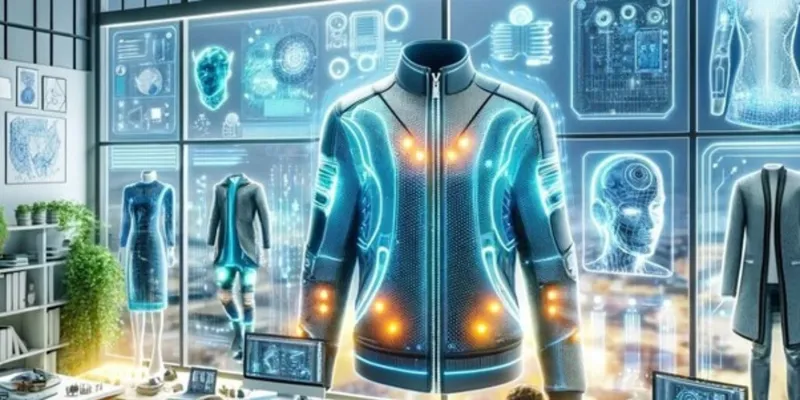
It is forecasted to grow at a remarkable CAGR of 28.6% from 2025 to 2033, reaching USD 15.6 billion by 2033. This expansion is largely propelled by the increasing integration of artificial intelligence into textiles—enhancing performance, interactivity, and real-time data capabilities across healthcare, sports, and defense.
The fusion of AI with smart textiles is revolutionizing sectors from fashion and wellness to military applications, enabling fabrics to learn, adapt, and make autonomous decisions. These developments mark a major leap from conventional wearable electronics, offering enhanced personalization, interactivity, and utility.
Key Growth Drivers:
- Healthcare Applications:
AI-based textiles are now central to patient care—used for monitoring vitals like heart rate, respiration, and muscle movement. These readings can be sent directly to healthcare providers for instant analysis and feedback. - Sports & Fitness Innovation:
AI-powered wearables offer real-time biometric insights, allowing athletes to optimize performance, track posture, and prevent injuries with smart feedback. - Defense & Military Adoption:
Armed forces are deploying AI-integrated smart fabrics to monitor soldier health, identify hazards, and facilitate adaptive camouflage, communication, and temperature control.
Technological Advancements:
- Machine Learning for Behavior Prediction:
Smart textiles now use machine learning to detect patterns in physical behavior—useful in elder care and high-risk industries. - IoT & Cloud Integration:
These fabrics are often part of wider IoT ecosystems, enabling cloud-based data sharing and remote diagnostics. - Flexible & Washable Electronics:
Advances in flexible printed circuits and conductive fibers are addressing durability and washability—making smart textiles more viable for daily use.
Market Challenges:
- High Costs & Complex Manufacturing:
Production remains expensive and complex, limiting large-scale deployment. - Data Privacy & Ethical Issues:
With increased personalization comes growing concern over surveillance and data misuse—an area that manufacturers must address. - Regulatory Barriers:
As AI enters consumer garments, new regulations around safety, data protection, and standards are emerging globally.
Key Market Players:
- Google LLC
- Microsoft Corporation
- IBM Corporation
- Samsung Electronics Co., Ltd.
- Apple Inc.
- DuPont de Nemours, Inc.
- Adidas AG
- Nike, Inc.
- Sensoria Inc.
- Wearable X
In addition, startups and academic research labs are driving innovation with AI models tailored to textile-embedded sensors.
Future Outlook:
- Personalized Fashion:
Expect AI-powered garments that respond to mood, style, and social context—blending technology with individual expression. - Smart Workwear:
Uniforms embedded with AI will enhance worker safety, monitor conditions, and improve efficiency across industries like logistics and construction. - Sustainable AI Textiles:
Future textiles may monitor their own wear, alert users when to repair or recycle, and even feature self-healing properties—marrying AI with sustainability.
Source: Research Intelo – Full Report