Adidas, H&M, Inditex and Bestseller Launch Coalition to Address Textile Waste
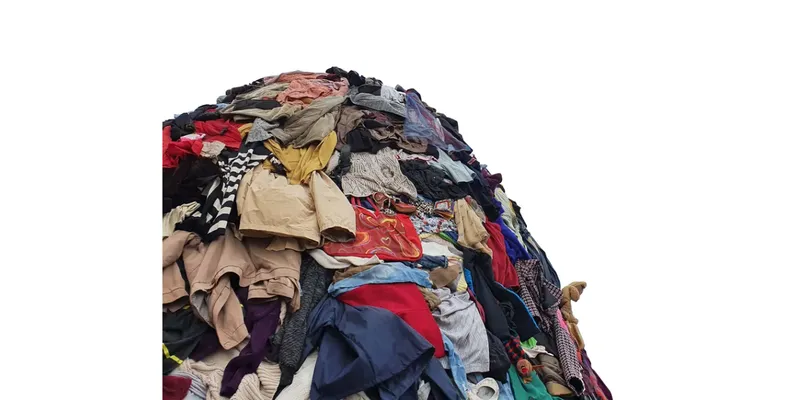
The Apparel Recovery Coalition will develop and test producer-responsibility models, starting with a demonstration project in Accra, Ghana, to support textile reuse, recycling and waste management.
Adidas, H&M Group, Inditex and Danish fashion company Bestseller have launched the Apparel Recovery Coalition (ARC) in collaboration with Ghana-based nonprofit The Or Foundation. The initiative aims to address post-consumer textile waste, strengthen circularity and explore ways for fashion brands to take greater responsibility for products after consumers stop using them.
Coalition to Develop Producer-Responsibility Models
The Apparel Recovery Coalition will examine how producer-responsibility systems can support reuse, recycling and upcycling, while improving waste management in countries receiving large volumes of exported secondhand clothing.
Over its two-year programme, ARC plans to develop and test a business model focused on producer responsibility. The model will consider global post-consumer textile flows and involve brands, recyclers, sorters, policymakers and affected communities in identifying practical solutions.
The coalition is also supported by Circle Economy, a nonprofit focused on circularity. According to the announcement, the initiative aims to generate evidence and practical lessons that can inform the development of post-consumer textile management systems worldwide.
First Demonstration Project in Accra
ARC was unveiled at Kantamanto Market in Accra, Ghana, a major hub for secondhand clothing, reuse, repair and recycling.
According to an estimate from The Or Foundation, the market recirculates around 25 million garments every month. Its activities provide insight into the role of reuse and repair in textile circularity, as well as the environmental and social impacts associated with post-consumer clothing, including water and soil pollution.
The coalition’s first demonstration project will be based in Accra. It will build on The Or Foundation’s work over the past 15 years to develop Ghana’s circular textile ecosystem.
Planned activities include infrastructure improvements, environmental remediation and training programmes. ARC also intends to establish another demonstration project in a different country that receives substantial volumes of secondhand clothing.
Community Participation and Circularity
One of ARC’s stated aims is to “test more inclusive approaches to governance, design, and implementation” by incorporating community perspectives into its project objectives, activities and findings.
The Or Foundation works at the intersection of environmental justice, education and sustainable fashion. Its experience in Ghana’s secondhand clothing sector is expected to inform the coalition’s approach to textile waste management.
Adidas, H&M Group, Inditex and Bestseller will make voluntary financial contributions to support the demonstration projects and wider circular-economy initiatives.
The coalition expects the evidence generated through these projects to help brands, policymakers, producer-responsibility organisations and other stakeholders strengthen post-consumer textile management systems.
Fashion Industry Production Volumes Under Scrutiny
The initiative comes amid increasing scrutiny of the environmental footprint associated with fashion manufacturing and production.
Inditex’s latest sustainability report, as cited in the announcement, recorded the use of 705,554 metric tonnes of raw materials in its products, compared with 678,596 metric tonnes in 2024.
H&M’s most recent sustainability report stated that the company produced 364,093 metric tonnes of products in 2025, an amount described as equivalent to 36 Eiffel Towers.
ARC plans to expand over time by involving additional companies and stakeholders working to address textile waste challenges globally.