5 Reasons to Check out a Supplier like Favorchem — and Why Textile Flame Retardants Matter
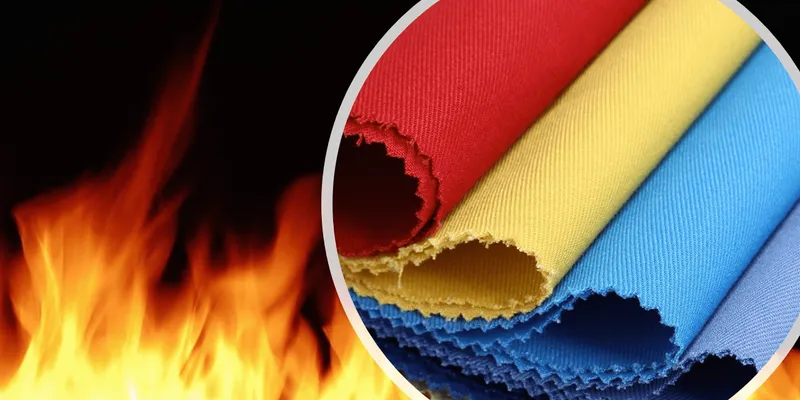
In an increasingly safety-conscious world, fire risks remain one of the most serious hazards facing textile-based industries: from clothing and protective workwear to upholstery, home furnishings, and public-space fabrics. That’s why sourcing reliable textile flame retardant solutions from reputable flame retardant manufacturers matters — and why firms such as Favorchem deserve attention.
Here are five compelling reasons why textile businesses and safetyware producers should consider integrating flame retardants for textiles in their supply chains.
1. Fire Safety: Reducing Combustibility & Slowing Flame Spread
Textiles — whether natural fibers like cotton or synthetic ones such as polyester and nylon — are often combustible. Untreated, many fabrics ignite easily and can contribute to rapid fire spread.
Flame retardants for textiles work by interfering with the combustion process. They can prevent ignition, slow down flame propagation, reduce heat release, or produce a protective char layer when heated, thereby preventing the fire from spreading rapidly.
By incorporating textile flame retardant treatments or using inherently flame-resistant fibers, manufacturers make fabrics safer — giving occupants more time to evacuate and minimizing potential property damage. This becomes critical in high-risk settings: homes, public venues, transportation, industrial sites, and more.
2. Regulatory & Compliance Needs — Essential for Many Industries
Various industries and jurisdictions now mandate specific fire-safety standards for textiles used in public venues, transportation, hospitality, and industrial applications.
Using certified flame retardants or flame-retardant fabrics helps manufacturers and suppliers meet those regulatory requirements. Whether it’s upholstery, draperies, workwear, or technical textiles — compliance ensures safety standards are met and that your products remain acceptable for sale and use.
Furthermore, modern textile chemical suppliers — including companies like Favorchem — often offer halogen-free, low-toxicity flame retardant solutions, helping downstream users avoid reliance on older, more hazardous fire-suppressant chemicals.
3. Versatility: Flame Retardants for Numerous Textile Applications
One of the strengths of flame retardants for textiles is their applicability across a wide range of materials and markets. They can be used on cotton, cotton blends, synthetics such as polyester/nylon, and technical fibers.
Industries benefiting from these treated textiles include:
- Home furnishings — upholstery, curtains, bedding, carpets.
- Protective clothing and workwear — for construction, oil & gas, welding, firefighting, industrial environments.
- Public and commercial spaces — theaters, hotels, offices, public transport interiors, and more.
- Technical and specialized textiles — automotive or aerospace interiors, insulation fabrics, or fabrics used in electrical/electronics manufacturing.
This versatility makes flame retardants a vital tool for textile manufacturers, suppliers, and product developers aiming to serve multiple markets.
4. Durable Flame-Retardant Finishes — Not Just a Temporary Fix
Early flame-retardant treatments often had one major drawback: their efficacy would fade after washing or wear. But advances in chemical formulations and finishing techniques mean many modern flame retardants now offer durable, long-lasting protection.
For example, reactive organophosphorous-based flame retardants — halogen- and antimony-free — can form chemical bonds with textile fibers (whether cellulosic, polyester, or polyamide), resulting in a flame-retardant finish that remains effective even after washing or dry-cleaning.
This permanent or semi-permanent performance is critical for products like uniforms, workwear, upholstery, curtains — any application where fabrics are expected to endure repeated use, washing, or cleaning.
5. Environmental & Health Considerations — Shift Toward Safer Solutions
Historically, many flame retardants relied on halogenated compounds (like bromine- or chlorine-based chemicals) that could provide strong fire resistance — but also raised concerns about toxicity, environmental persistence, and harmful by-products when burned.
Today, there is a clear industry trend toward halogen-free, phosphorus- or mineral-based flame retardants, and even bio-based alternatives. These modern options aim to balance effective fire resistance with reduced health and environmental impact.
For instance, some flame retardants act by promoting char formation (a protective layer that shields underlying fibers), or releasing inert gases or water vapor on ignition — rather than releasing toxic halogenated gases.
By sourcing from progressive flame retardant manufacturers, textile producers can meet fire-safety requirements and respond to growing consumer and regulatory demand for safer, more sustainable materials.
Why Favorchem — A Case for Partnering with Responsible Flame Retardant Manufacturers
As a leading supplier, Favorchem offers advanced halogen-free flame retardant solutions and masterbatches for plastics and textiles alike.
Here’s why they stand out:
- Their flame retardants are designed for both performance and environmental responsibility — aligning with the industry’s move toward safer chemicals.
- Their production process emphasises rigorous R&D, quality control, and custom solutions tailored to clients’ needs — whether for textile finishing, masterbatch, or plastic applications.
- They support a diverse customer base, showing capacity to meet industrial demand across multiple sectors requiring fire-safe materials.
By collaborating with such companies, textile businesses — whether manufacturers, garment producers, or textile finishers — can integrate flame retardancy early and effectively, improving product safety and market compliance.
Conclusion: Flame Retardants for Textiles Are More Than a Feature — They’re a Necessity
Given the wide-ranging fire hazards associated with textiles — from clothing and upholstery to industrial fabrics and public-space materials — adopting flame retardant solutions is not optional. It’s a fundamental responsibility for manufacturers, retailers, and safety-conscious buyers.
Using quality textile flame retardant treatments from reputable flame retardant manufacturers helps ensure:
- Enhanced fire safety and protection against ignition and flame spread.
- Compliance with regulatory and industry fire-safety standards.
- Versatility of use across many textile applications — from fashion to industrial wear and furnishings.
- Long-lasting durability of flame-retardant properties despite wear, washing, or cleaning.
- Alignment with environmental and health-conscious standards, avoiding older toxic chemicals.
If you are involved in textile production or sourcing — whether for apparel, upholstery, protective clothing, or technical fabrics — it’s well worth exploring what favorably-rated suppliers like Favorchem can offer. Investing in flame retardants may add cost upfront — but it pays off in safety, compliance, and peace of mind that your products are robust and responsibly manufactured.
In sum: flame retardants for textiles are not a “nice-to-have.” They are a strategic, safety-driven necessity in today’s fire-aware world.